
Your Car's Maintenance Schedule, Explained

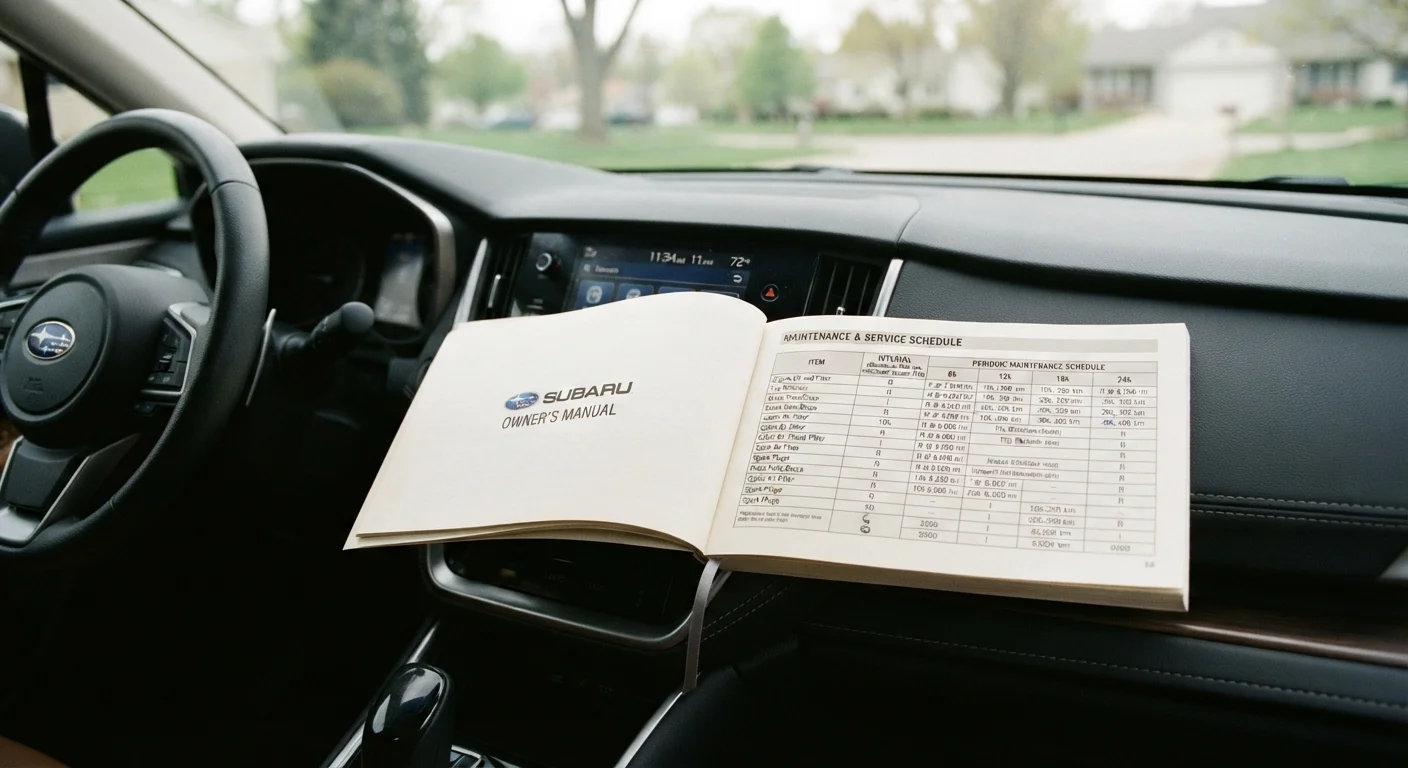
Photo: ArticleHood.com | Precision In Every Word editorial
Key Takeaways
- Your owner's manual contains the only maintenance schedule built specifically for your vehicle.
- Service intervals are set by mileage or time - whichever comes first.
- Skipping scheduled services can void warranties and lead to costly repairs.
- Severe driving conditions may require shorter service intervals than the standard schedule.
- A maintenance log helps you track what's been done and anticipate what's coming next.
What a Maintenance Schedule Actually Is
Think of your vehicle's maintenance schedule as a calendar built by the engineers who designed your car. It lists every routine service - oil and filter changes, tire rotations, brake inspections, fluid flushes, belt replacements - along with the intervals at which each one should happen.
Those intervals are expressed two ways: by mileage (every 5,000 miles, for example) and by elapsed time (every six months). The governing rule is always whichever comes first. A vehicle sitting in a garage still ages - seals dry out, fluids degrade, and moisture works into systems whether or not the odometer is turning.
The schedule lives in your owner's manual, usually in a clearly marked section. If you don't have a physical copy, the vehicle's VIN can typically be used to pull the correct schedule from the manufacturer's official website. New owners unfamiliar with the manual will find it worth spending twenty minutes reading that section before anything else.
Normal vs. Severe: Check Which Applies to You
How to Read the Service Chart
Most owner's manuals present maintenance in one of two formats: a simple mileage-based list, or a two-track chart separating normal driving conditions from severe driving conditions.
Normal conditions assume a mix of highway and city driving in moderate climates with reasonably long trips. Severe conditions cover situations that put extra strain on vehicle systems - frequent short trips, extreme heat or cold, heavy towing, or prolonged idling. Many everyday US drivers actually qualify as severe-condition drivers without realizing it, particularly those who make frequent short urban trips.
Each row in the chart represents a specific component or fluid. Columns show the service interval. A checkmark or letter code in a cell means that item is due. Common codes include I (inspect), R (replace), and L (lubricate). When you see an interval like "every 30,000 miles or 24 months," it applies to whichever threshold arrives first.
~35%
Drivers who skip or delay routine maintenance
AAA has reported that a significant portion of US drivers defer recommended vehicle maintenance, contributing to higher repair costs and roadside breakdowns.
100,000+
Miles a well-maintained vehicle can reliably reach
Consumer Reports and automotive researchers consistently find that adherence to manufacturer maintenance schedules is among the strongest predictors of long vehicle lifespan.
$1,200
Estimated average annual vehicle maintenance cost
According to AAA's annual driving cost research, routine upkeep represents a predictable portion of ownership costs that tends to be far less than deferred-repair bills.
Why Intervals Exist - and Why They Differ
Service intervals are not guesswork. Engineers set them based on the rate at which materials degrade under real operating conditions. Engine oil, for example, breaks down chemically as it absorbs combustion byproducts and heat cycles. The interval at which it loses enough protective quality to matter is determined through testing specific to each engine design.
This is why intervals vary between vehicles. A turbocharged engine runs hotter and may call for shorter oil change intervals than a naturally aspirated engine. A transmission fluid designed for a continuously variable transmission (CVT) has different chemistry and longevity than a traditional automatic's fluid. Applying one vehicle's schedule to a different vehicle is a common mistake.
Higher-mileage vehicles often require more frequent attention to certain components as seals and gaskets age. The schedule in your manual accounts for wear patterns up to a point, but older vehicles may need additional oversight beyond what the original schedule specifies.
“The number one thing a driver can do to extend the life of a vehicle is follow the manufacturer's maintenance schedule - not the shop's upsell list, not a generic interval, but the schedule designed specifically for that engine and drivetrain.”
— ASE-Certified Master Technician, Automotive Service Excellence Certified Technician, quoted in trade education materials
Keeping Track Without Losing Your Mind
A simple maintenance log - whether a notes app, a paper sheet in the glove box, or a dedicated vehicle app - does two things: it confirms what's been done, and it tells you what's coming. Record the date, mileage, and service performed each time. This documentation also matters if you sell the vehicle, since a clean service history is verifiable evidence of care.
Some vehicles have onboard maintenance reminder systems that display a service due notice on the dashboard. These are convenient, but they function as reminders - not replacements for reading the actual schedule. Dashboard warning lights, including maintenance reminders, are worth understanding on their own terms.
For drivers dealing with season changes, a quick check against the schedule before winter or summer is a practical habit. Seasonal maintenance checks pair well with your regular schedule and catch condition-specific issues before they develop. Over the long run, staying organized with maintenance is one of the more effective ways of keeping vehicle running costs predictable.
Photograph the Schedule Page in Your Manual
Frequently Asked Questions
The content on this site is for informational purposes only and is not a substitute for professional advice. Always consult a qualified professional for guidance specific to your situation.