
Car Maintenance

Pre-Long-Journey Vehicle Check: A Practical Checklist

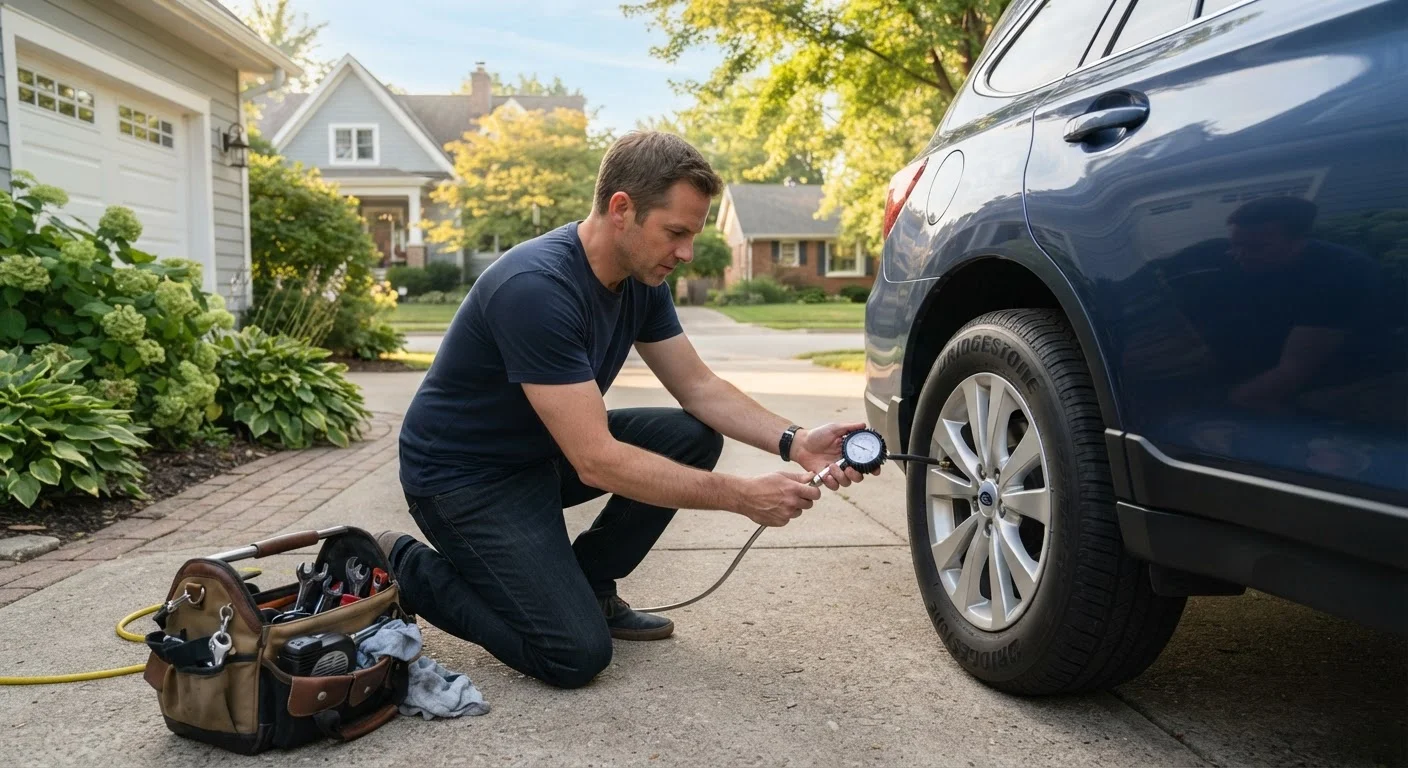
Pre-Long-Journey Vehicle Check: A Practical Checklist

Photo: ArticleHood.com | Precision In Every Word editorial

Before a long road trip, use this checklist to verify tyres, fluids, lights, and safety essentials — so small oversights don't become roadside problems.

Key Takeaways

  • Tyre pressure and tread depth are the most critical checks before any long journey.
  • Most fluid levels can be verified at home without special tools or mechanical training.
  • A working spare tyre and roadside kit can make a breakdown manageable rather than dangerous.
  • Lights and wipers are quick to inspect but commonly overlooked until they fail on the road.
  • Addressing small issues before departure is almost always cheaper than emergency roadside service.

Why a Dedicated Pre-Long-Journey Check Matters

A quick glance around your car before a grocery run is fine. A journey of several hundred miles is a different story. Extended highway driving puts sustained stress on tyres, cooling systems, brakes, and belts in ways that short local trips simply don't reveal. Small problems — a slow tyre leak, slightly low brake fluid, a cracked wiper blade — can stay invisible right up until they become expensive or dangerous.

This checklist is designed for everyday drivers, not mechanics. Most items require nothing more than your eyes, a tyre pressure gauge, and about an hour. For a deeper look at fluid checks specifically, see our guide to checking your car's fluids without a mechanic — it walks through each reservoir in plain language.

Run through this list at least two days before departure so you have time to address anything that needs attention.

Tyres

Check tyre pressure on all four tyres using a gauge and inflate to the vehicle manufacturer's recommended PSI (found on the sticker inside the driver's door jamb, not the tyre sidewall). Must
Inspect tread depth — insert a quarter into a tread groove with Washington's head pointing down; if you can see the top of his head, the tyre is worn and should be replaced before a long trip. Must
Look over each tyre's sidewalls and tread for visible cuts, bulges, or embedded objects such as nails or screws. Must
Check the spare tyre's pressure and condition so you're not surprised at roadside. Must

Fluids

Check engine oil level with the dipstick when the engine is cold; top up if below the minimum mark, and note if the oil looks very dark or gritty. Must
Inspect the coolant (antifreeze) reservoir level and look for any visible leaks around hoses or the radiator. Must
Check brake fluid level in the translucent reservoir under the hood — it should sit between the MIN and MAX lines. Must
Verify the windshield washer fluid reservoir is full; use a product rated for the temperatures you'll encounter. Should
Check power steering fluid level if your vehicle uses hydraulic (non-electric) power steering. Should

Lights and Visibility

Test all exterior lights — headlights (low and high beam), taillights, brake lights, turn signals, and reverse lights — with a helper or by backing up to a wall. Must
Replace any blown bulbs before departure; driving with a non-functioning brake light is both illegal and dangerous. Must
Inspect wiper blades for cracking or streaking by running them against a wet windshield; replace if they skip or smear. Should
Clean all windows and mirrors inside and out to reduce glare during night or early-morning driving. Should

Under the Hood

Check the serpentine (drive) belt for visible cracking, fraying, or glazing — a snapped belt will leave you stranded. Must
Inspect radiator hoses by squeezing them gently; they should feel firm, not mushy or brittle. Should
Verify the battery terminals are clean and free of corrosion, and that connections are snug. Should

Brakes and Steering

Listen for squealing, grinding, or pulsing when braking during a slow test stop in a quiet area before your trip — these are signals a mechanic should evaluate. Must
Notice whether the steering wheel pulls noticeably to one side, which can indicate tyre, alignment, or brake issues worth having checked. Should

Emergency Kit and Safety Gear

Confirm your spare tyre, jack, and lug wrench are in the vehicle and that you know how to access them. Must
Pack a basic emergency kit: jumper cables or a jump starter, a flashlight with fresh batteries, reflective triangles or road flares, and a first-aid kit. Should
Store a phone charger and a printed or downloaded offline map as backup navigation in case of signal loss. Nice to have

What You'll Need to Work Through This List

You don't need a full tool kit. The items below cover the essentials for completing every check on this list yourself.

Required

Tyre pressure gauge

Accurately measures tyre inflation — digital models are easy to read and widely available.

Required

Tyre tread depth coin (quarter)

A standard US quarter provides a quick field test for tread wear.

Required

Flashlight or work light

Helps you see clearly under the hood and around tyres in low-light conditions.

Required

Clean rag or paper towels

Needed for wiping the oil dipstick and checking fluid colour accurately.

Optional

Jump starter pack or jumper cables

Lets you self-rescue or assist another driver if a battery fails on the road.

Required

Owner's manual

Lists your vehicle's specific fluid types, capacities, and tyre pressure specs.

Before You Hit the Road: A Few Final Reminders

Never Ignore Brake or Tyre Warning Signs

If you hear grinding or feel pulsing when you brake, or if a tyre has a visible bulge or sidewall damage, do not attempt the journey until a qualified mechanic has assessed the issue. These are not minor inconveniences — they are conditions that can lead to loss of vehicle control. No trip timeline is worth the risk.

Once you've ticked every box, take five minutes to verify your paperwork: current registration, proof of insurance, and a roadside assistance membership card if you carry one. If your journey crosses state lines, make sure your insurance is valid for all states you'll pass through — most standard US policies are, but it's worth confirming.

Long trips also reward a little seasonal awareness. Temperature swings affect tyre pressure, battery performance, and cooling system load. Our seasonal car maintenance guide covers how changing conditions affect these systems specifically.

Finally, don't overlook the non-vehicle side of trip preparation. Our pre-departure checklist for any trip covers documents, finances, and home security — useful to run through alongside this vehicle check.

Don't Rely Solely on Dashboard Warning Lights

Warning lights are a last resort — many issues won't trigger a light until they're already serious. A tyre can be significantly under-inflated, for example, before the TPMS light activates. Running through this physical checklist gives you a clearer picture than your dashboard alone can provide.

This checklist provides general educational guidance only. If you identify a serious mechanical concern during any of these checks, have the vehicle inspected by a qualified mechanic before travelling. Do not attempt repairs beyond your skill level — some tasks, including brake system work and tyre mounting, carry real safety risks if done incorrectly.

Cars & Driving Editorial Team

ArticleHood.com | Precision In Every Word

Cars & Driving Editorial Team is the collective byline for our editorial team and contributor network. Articles published under this byline or an editorial pen name are researched, written, and reviewed according to our editorial standards for clarity, consistency, and independence before publication.

Car MaintenanceSafe DrivingVehicle Ownership
View author profile

The content on this site is for informational purposes only and is not a substitute for professional advice. Always consult a qualified professional for guidance specific to your situation.