
Getting Started with Home Improvement: What New Homeowners Should Tackle First

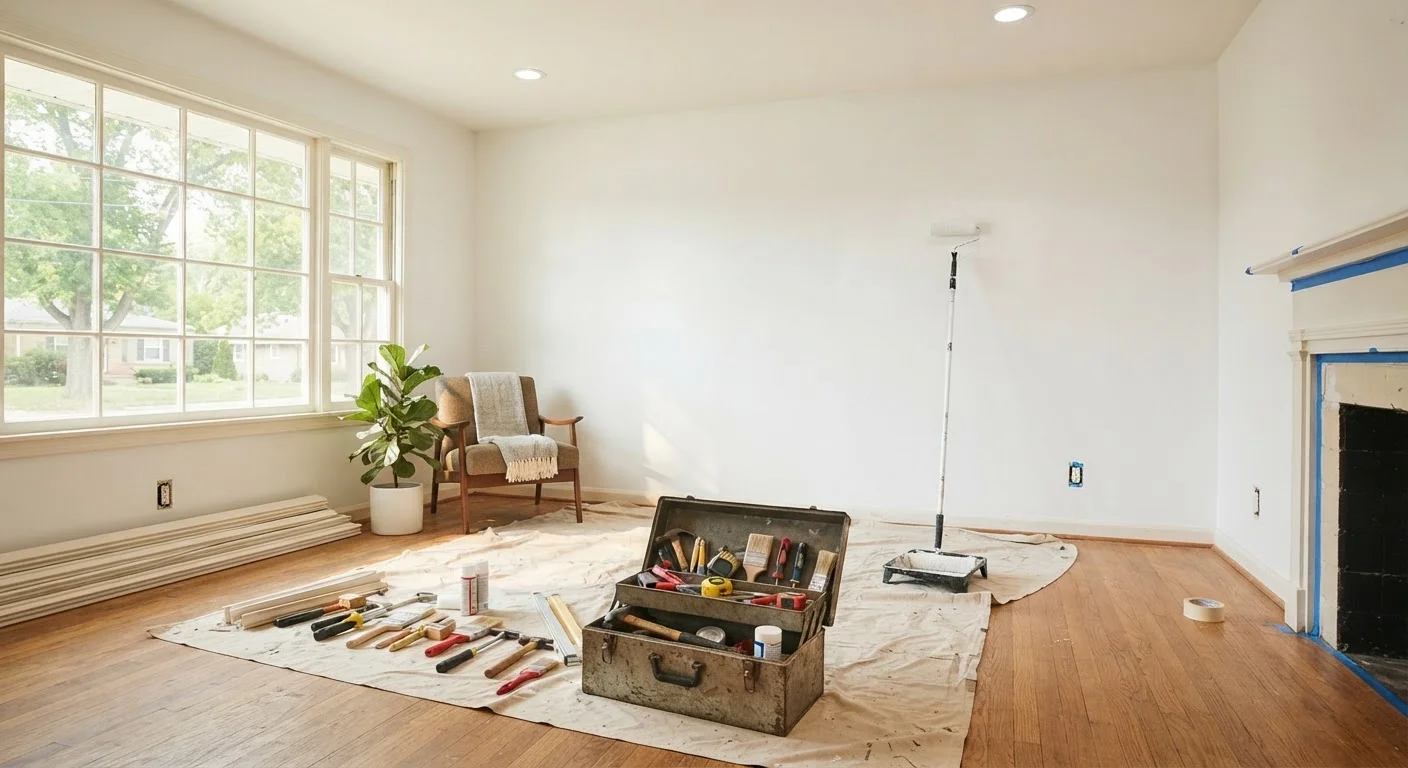
Photo: ArticleHood.com | Precision In Every Word editorial
Key Takeaways
- Address safety systems - smoke detectors, water shutoffs, and GFCI outlets - before any cosmetic work.
- A modest, well-chosen toolkit is enough to handle most beginner home improvement tasks.
- Simple projects like caulking, patching drywall, and replacing hardware build real skills without major risk.
- Electrical, gas, and structural work typically require a licensed professional and local permits.
- Routine seasonal maintenance prevents small issues from becoming costly repairs.
Start With Safety and Systems, Not Aesthetics
The urge to repaint walls or update fixtures is understandable when you move into a new home - but the most important first steps are invisible ones. Before any cosmetic project, walk your home and confirm these fundamentals:
- Smoke and carbon monoxide detectors: Test every unit. Replace batteries if needed, and replace any detector older than ten years.
- Water shutoff valves: Locate the main shutoff and the individual valves under every sink and behind every toilet. Knowing where they are prevents minor leaks from becoming floods.
- Electrical panel: Open the panel box and confirm each breaker is clearly labeled. If labeling is missing or unclear, that's a job to address early.
- GFCI outlets: Bathrooms, kitchens, garages, and exterior outlets should have GFCI (ground fault circuit interrupter) protection. Press the test and reset buttons to verify they're functional.
- HVAC filter: Check and replace the air filter in your heating and cooling system - a clogged filter reduces efficiency and air quality.
GFCI outlet
A ground fault circuit interrupter outlet that shuts off power within milliseconds if it detects an electrical imbalance, protecting against shock. Required by code in wet areas like kitchens and bathrooms.
Load-bearing wall
A wall that supports the weight of the structure above it - such as a floor, ceiling, or roof. Removing or altering one without professional assessment can compromise the building's structural integrity.
Caulk
A flexible, waterproof sealant applied to gaps and joints around tubs, windows, doors, and trim to prevent air and moisture from penetrating surfaces.
Building permit
Official approval from your local government allowing you to carry out specific construction or renovation work. Permits ensure the work is inspected and meets local safety codes.
Stud finder
A handheld tool that locates wooden or metal framing studs hidden behind drywall, so you can anchor shelves, cabinets, and fixtures securely.
Spackling compound
A lightweight paste used to fill small holes, dents, and cracks in drywall or plaster before painting. It dries hard and can be sanded smooth.
Tackling these items first isn't glamorous, but it establishes a reliable baseline. Everything else builds on this foundation.
Build Your Basic Toolkit
You don't need a workshop's worth of equipment to handle most beginner projects. A focused starter kit is more useful than an overwhelming collection. Consider assembling:
- Claw hammer
- Measuring tape (25 feet is versatile)
- Phillips and flathead screwdrivers in multiple sizes
- Cordless drill with basic bit set
- Spirit level (a 24-inch level handles most wall tasks)
- Utility knife
- Needle-nose pliers and adjustable pliers
- Stud finder
- Caulk gun and tube of paintable caulk
Store tools in a single, organized container so they're easy to find. A disorganized toolkit leads to wasted time and improvised substitutions that cause damage.
Buy Quality on Items You'll Use Often
Easy First Projects That Build Confidence
Starting with achievable tasks gives you real skills without significant risk. These projects are well-suited to new homeowners:
- Caulking gaps around tubs, sinks, and windows
- Deteriorated caulk allows moisture to seep behind surfaces. Remove old caulk with a utility knife, clean the area thoroughly, and apply a smooth, continuous bead. It's a modest investment of time with meaningful protective value.
- Replacing cabinet hardware
- Swapping out knobs and pulls updates a kitchen or bathroom without structural work. Most hardware attaches with a single screw; a screwdriver and five minutes per piece is all it takes.
- Patching small drywall holes
- Nail holes and small dings are repairable with lightweight spackling compound, a putty knife, and sandpaper. Once sanded smooth, the area takes paint cleanly.
- Painting a room
- Prep work - cleaning walls, filling holes, applying painter's tape - determines 80% of the result. Use a roller for large surfaces and a brush to cut in at edges and corners.
For a broader view of how these skills connect to running your home efficiently, see our guide to managing your home's daily systems.
When to Call a Licensed Professional
Knowing your limits is as important as developing skills. Some work carries real risk to your safety and your home's structural or legal integrity.
Always hire a licensed professional for:
- Electrical panel work, new circuit installation, or any wiring beyond simple fixture swaps
- Gas line connections, repairs, or appliance hookups
- Structural modifications - removing or altering load-bearing walls, foundations, or roof framing
- Plumbing tied into main supply or drain lines
DIY Electrical and Gas Work Carries Serious Risk
Many of these projects also require permits and inspections. Skipping them can affect your homeowner's insurance and create problems when you sell. Learn more in our guide to building permits.
When hiring help, preparation matters. Our contractor hiring guide covers the key questions to ask before any work begins.
Developing a Long-Term Maintenance Mindset
Home improvement isn't only about upgrades - it's about protecting what you already have. Routine maintenance prevents small issues from compounding into expensive repairs.
Think of your home in seasonal rhythms: spring inspections of roofing and gutters after winter stress; fall preparation of heating systems before cold arrives; summer checks on exterior caulking and window seals. Our season-by-season home maintenance checklist gives you a practical task-by-task framework.
Also worth reviewing: common home improvement myths that can lead well-intentioned homeowners astray - from misunderstanding primer to overestimating DIY electrical safety.
Progress over perfection is the right frame. Every project you complete adds to a working knowledge of your specific home - its quirks, its materials, and its needs. That understanding is genuinely valuable, and it compounds over time.
Frequently Asked Questions
The content on this site is for informational purposes only and is not a substitute for professional advice. Always consult a qualified professional for guidance specific to your situation.