
Hiring a Contractor: Questions Worth Asking Before Work Begins

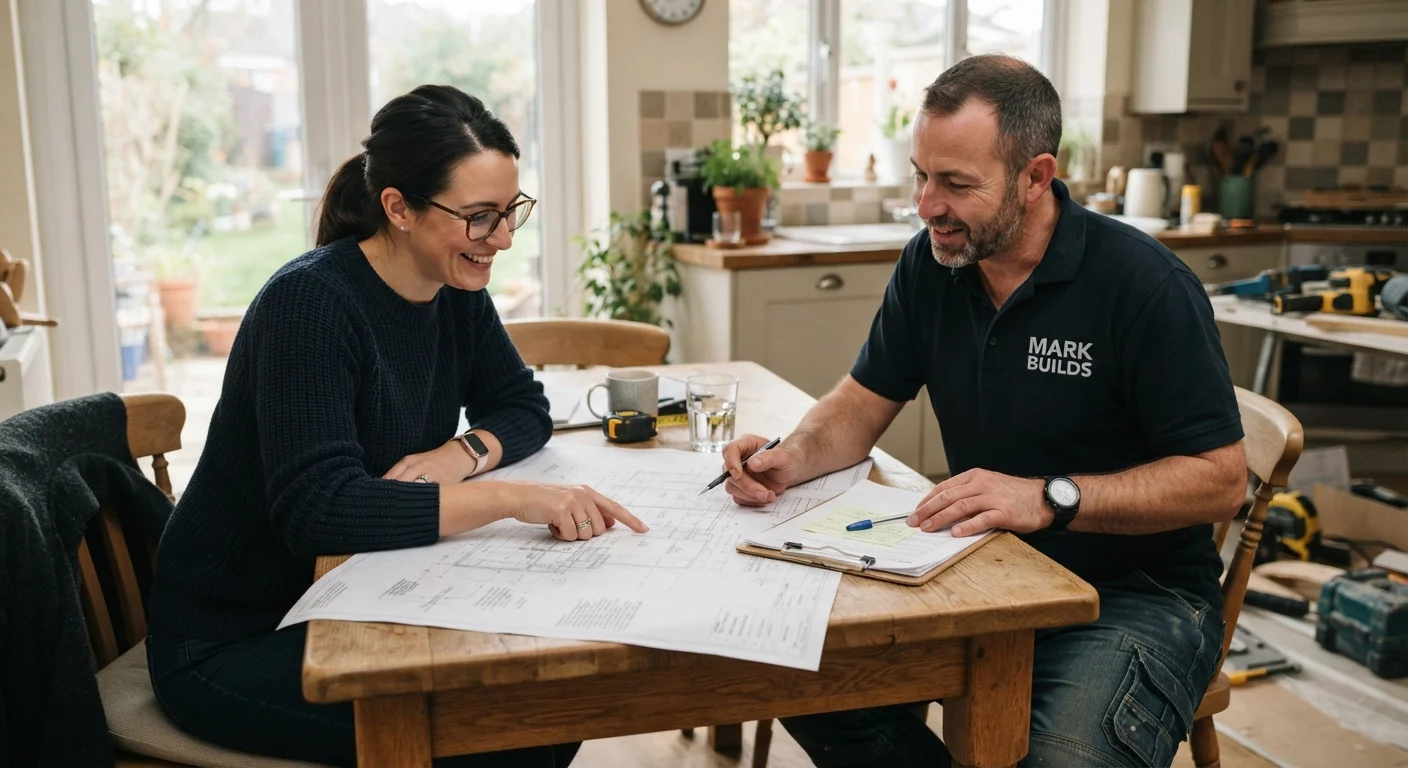
Photo: ArticleHood.com | Precision In Every Word editorial
Key Takeaways
- Always verify a contractor's license and insurance before any work or payment begins.
- Get every quote, timeline, and scope of work in writing - verbal agreements are hard to enforce.
- Understand the payment schedule upfront; large deposits before work starts are a common red flag.
- Confirm who pulls permits and who is responsible for inspections on your project.
- Check references from recent, comparable projects - not just testimonials on the contractor's website.
Why Your Questions Matter Before a Single Nail Is Driven
Hiring a contractor is one of the most consequential decisions a homeowner makes. The work affects your home's safety, your budget, and in some cases your legal standing with local building authorities. Yet many homeowners skip the vetting process - and pay for it later with unfinished work, budget overruns, or code violations.
The good news: a handful of focused questions, asked early, reveal whether a contractor is prepared, professional, and trustworthy. You don't need a construction background to ask them. You just need to know what to listen for. If you're new to managing home projects, our beginner's guide to home improvement priorities is a helpful starting point.
Start a Simple Project File
Licensing, Insurance, and Credentials: The Non-Negotiables
Before discussing scope or price, confirm the basics. Ask directly: Are you licensed to do this type of work in this state? Licensing requirements vary by trade and location, so verify the answer independently through your state's contractor licensing board rather than taking anyone's word for it.
Equally important: Do you carry general liability insurance and workers' compensation? Liability insurance protects your property if the contractor damages something. Workers' comp protects you if a worker is injured on your property - without it, you could face legal exposure. Ask for certificates of insurance and confirm they're current before signing anything.
Licensing Requirements Vary by State and Trade
Also ask whether subcontractors will be involved. If so, do those subs carry their own insurance? The answer should be yes.
Scope, Quotes, and the Written Contract
A verbal estimate is not a contract. Before any work begins, you should have a written document that covers: the exact scope of work, materials to be used, start and end dates, total cost, and the payment schedule. Vague language like "standard materials" is a warning sign - specifics protect both parties.
Require a fully itemized written contract before any work begins.
Verify license and insurance independently through official sources.
Tie payment milestones to completed work, not to the calendar.
Confirm permit responsibility in writing before work starts.
Check references from recent, comparable projects - then actually call them.
On the topic of payment: a reasonable deposit to secure scheduling and cover initial materials is normal. However, if a contractor requests more than 30-50% upfront before any work has started, treat that as a red flag. Staggered payments tied to project milestones are a sounder structure. You can apply similar contract-review discipline to other large commitments - see our pre-purchase checklist for finance agreements for a comparable approach.
Permits, Timelines, and References
Ask plainly: Will this project require a permit, and who will pull it? The contractor - not the homeowner - should generally pull permits for the work they're performing. A contractor who suggests skipping permits to save time or money is steering you toward potential fines, failed home inspections at resale, and safety risks. Our article on understanding building permits explains which projects typically require one and why it matters.
Ask for a realistic timeline with milestones, and ask what happens if delays occur. Then ask for two or three references from projects completed in the past year - specifically projects similar in scope to yours. Call those references and ask whether the work was completed on time, on budget, and to their satisfaction.
Finally, trust your instincts during initial conversations. A contractor who dismisses your questions, pressures you to sign quickly, or can't produce documentation on request is showing you something important. Don't ignore it. Being well-informed also means separating fact from fiction - our piece on home improvement myths covers common misconceptions that cost homeowners money.
The content on this site is for informational purposes only and is not a substitute for professional advice. Always consult a qualified professional for guidance specific to your situation.