
Renting and Still Want a Stylish Home? Here's Where to Start

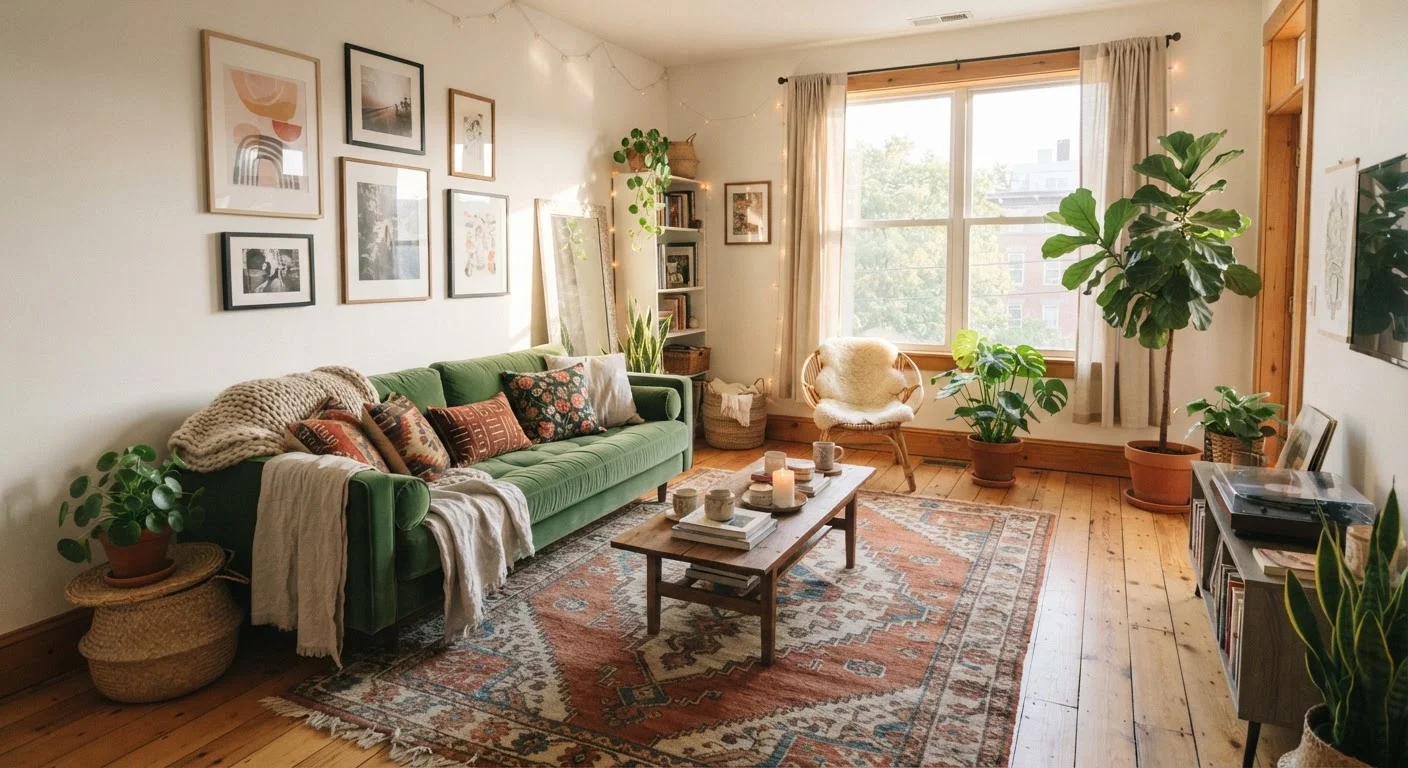
Photo: ArticleHood.com | Precision In Every Word editorial
Key Takeaways
- Removable products like adhesive strips and peel-and-stick wallpaper make temporary decorating easier than ever.
- Textiles, lighting, and area rugs are your highest-impact, lowest-risk decorating tools as a renter.
- Always read your lease before making any changes - even seemingly minor ones.
- A cohesive color palette and consistent materials make a rental feel intentional rather than temporary.
- Moving-in clean and documenting the unit's condition protects your deposit from day one.
Why Renters Have More Options Than They Think
The assumption that renting means living with someone else's beige walls and generic finishes is outdated. A generation of renter-friendly products - from damage-free adhesive hooks to peel-and-stick wallpaper - has made it genuinely possible to personalise a space without touching a drill or jeopardising a security deposit.
The key insight is this: most of what makes a room feel stylish has nothing to do with permanent changes. Furniture arrangement, layered lighting, soft furnishings, and intentional color choices do the heavy lifting - and all of them leave with you when you move. Once you shift from thinking about what you can't change to focusing on what you can bring in, the creative range opens up considerably.
If you're also figuring out practical setup tasks alongside decorating, the move-in deep-clean checklist is a useful companion for getting your new space truly ready before you start styling it.
The Ground Rules: What You Can and Can't Change
Before you buy a single throw pillow, spend fifteen minutes with your lease. Every tenancy agreement is different, and what one landlord freely permits another may prohibit entirely. Common areas of restriction include painting walls, installing shelving into studs, replacing light fixtures, and making any alteration that requires a permit.
Security deposit
A sum of money paid upfront to a landlord, held to cover any damage beyond normal wear and tear. It is typically returned when you move out if the unit is left in good condition.
Normal wear and tear
Minor, expected deterioration of a rental unit from everyday living - such as small scuffs or faded paint - that a landlord generally cannot deduct from your deposit.
Adhesive strips
Specially formulated sticky fasteners designed to hold pictures or objects to a wall and remove cleanly without leaving holes or damaging paint when removed correctly.
Peel-and-stick wallpaper
A removable, self-adhesive wall covering that can be applied and taken down without permanent glue or paste, making it popular for renters wanting a decorative accent wall.
Color temperature
A measure of the warmth or coolness of a light source, expressed in Kelvins (K). Lower numbers (around 2700K) produce warm, amber-toned light; higher numbers produce cooler, bluer light.
When in doubt, ask your landlord in writing. A quick email creates a paper trail, and many landlords will say yes to minor changes - like swapping a light fixture - if you agree to restore the original before vacating. Document the unit's existing condition with dated photos on the day you move in. This single habit protects your deposit and gives you a clear before-and-after record if any dispute arises.
Your Lease Is the Final Word
Your Biggest Levers: Textiles, Lighting, and Rugs
These three categories are where most renters will spend their decorating energy - and for good reason. They're reversible, portable, and disproportionately impactful on how a room feels.
- Textiles: Curtains, throw pillows, blankets, and even table linens introduce color, pattern, and softness. A pair of floor-length curtains hung high and wide makes windows look larger and ceilings taller - no paint required. Layering different textures (a chunky knit throw over a linen sofa, for example) adds visual depth that bare surfaces simply can't achieve. For more on this, see how texture shapes a room's feel.
- Lighting: Overhead fixtures in rental units are often harsh or underpowered. Floor lamps and table lamps with warm-toned bulbs (look for a color temperature around 2700K) create a completely different ambience. Plug-in sconces - which require no wiring - are another option for adding layered light without any permanent installation.
- Area rugs: On bare rental flooring, a well-sized rug grounds the room, defines zones, and adds warmth underfoot. A rug that's too small floats awkwardly; aim for one large enough that at least the front legs of your main seating pieces rest on it.
Start With One Room, Not the Whole Apartment
Walls Without Damage: Hanging and Displaying Art
Blank walls are one of the most common complaints renters have - and one of the most solvable. The methods below work on most standard painted drywall, though results can vary by surface type and paint finish, so always test before committing.
- Adhesive strips and hooks: These are rated by weight and designed to release cleanly when removed following the product's instructions. They work well for lightweight frames, mirrors, and small shelving units.
- Leaning art: Large-format prints or canvases leaned against a wall - on the floor, on a console, or on a shelf - have a relaxed, intentional look that's entirely fashionable and requires zero installation.
- Gallery ledges: Picture ledges that rest on furniture or sit on existing built-ins let you swap art freely without re-hanging. If you can install a narrow ledge with adhesive strips (check the weight limit), you gain even more flexibility.
- Peel-and-stick wallpaper: Applied to a single accent wall, this can dramatically shift a room's character. Test a small corner patch and leave it for a week before committing to the whole surface.
For tips on using art and scale to shift how a room reads spatially, the guide on décor adjustments that change how space feels is worth reading alongside this one.
Building a Cohesive Look on a Renter's Budget
A stylish rental rarely comes from buying more - it comes from buying with intention. Before adding anything new, take stock of what you already own and identify the gaps. A room-by-room décor audit can help you pinpoint what's actually missing rather than guessing.
Choose a palette of two or three colors and repeat them across the room in different materials - a navy pillow, a navy-spined book on the shelf, a navy throw. This repetition creates visual rhythm that makes a space feel considered rather than collected. Stick to materials that complement each other: warm wood tones pair naturally with linen and leather; cooler metal finishes work well with cotton and stone-look surfaces.
Finally, edit ruthlessly. A few well-chosen pieces in a clear space almost always look more intentional than a room crowded with items competing for attention. The goal isn't a showroom - it's a space that genuinely reflects how you live and feels comfortable to come home to, regardless of whose name is on the lease.
Room-by-Room Décor Audit Guide
Walk through a structured checklist of every room before buying anything new, so you spend only on what your space actually needs.
Household Essentials Hub
Practical guidance on cleaning, organization, and daily home routines - a useful companion for renters managing a new space.
Frequently Asked Questions
The content on this site is for informational purposes only and is not a substitute for professional advice. Always consult a qualified professional for guidance specific to your situation.