
Home Décor

A Room-by-Room Décor Audit: What to Evaluate Before Buying Anything New

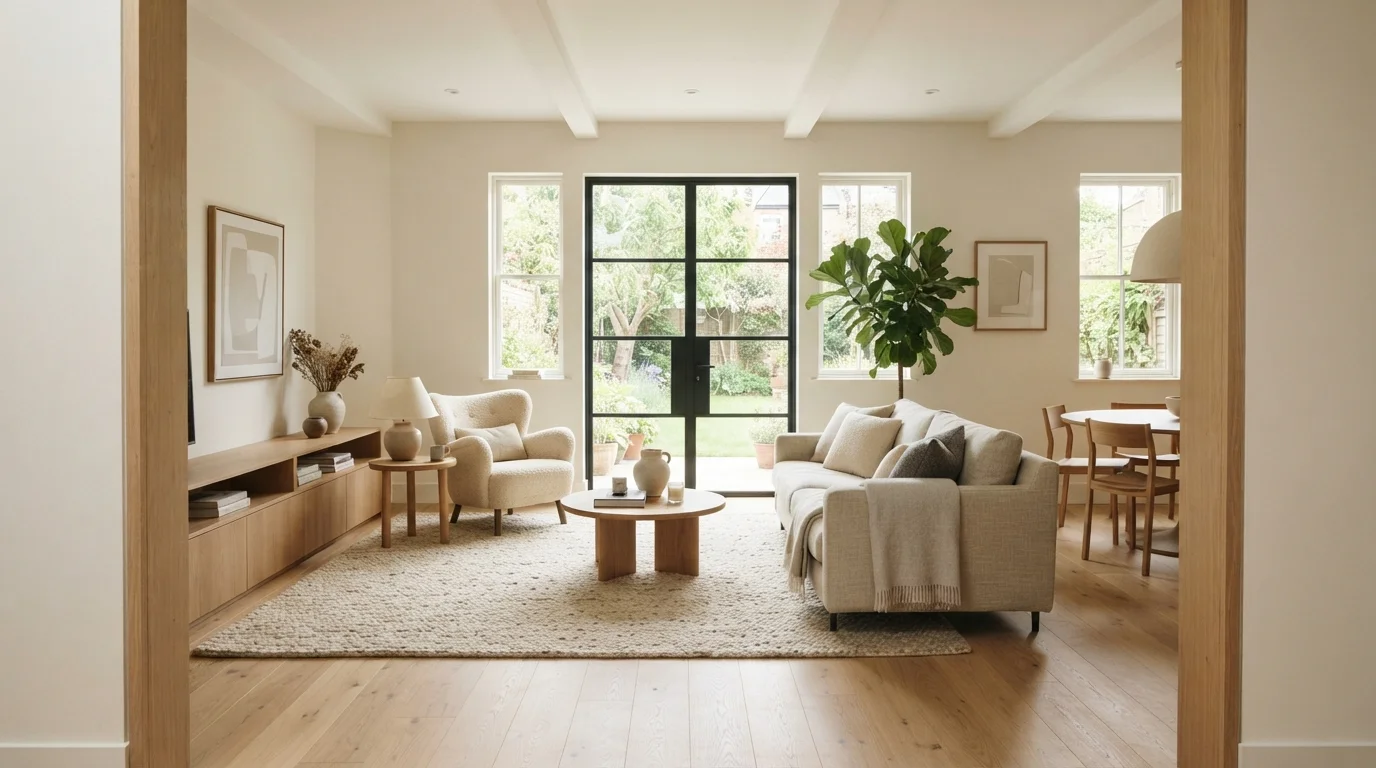
A Room-by-Room Décor Audit: What to Evaluate Before Buying Anything New

Photo: ArticleHood.com | Precision In Every Word editorial

Before spending on new pieces, walk through this room-by-room checklist to identify what's working, what isn't, and what's missing.

Key Takeaways

  • Auditing each room before buying prevents costly, mismatched purchases.
  • Lighting, scale, and function matter more than surface-level style updates.
  • Identifying what already works helps you spend only where it counts.
  • A room audit is best done before decluttering or rearranging furniture.
  • Small adjustments to layout or texture often deliver more impact than new items.

Why Audit Before You Buy?

It's tempting to refresh a room by shopping. But without first understanding what a space actually needs, new purchases often add clutter rather than improve comfort or cohesion. A décor audit is a structured pause — a chance to look critically at each room before spending anything.

Think of it the way you might approach a financial review: clarity about what you already have, what's underperforming, and where the real gaps are. (If the idea of structured self-audits appeals to you, our personal savings and debt audit guide applies similar logic to your finances.)

This checklist works room by room. Walk through each space with fresh eyes — ideally with your phone for photos — and use the categories below as your evaluation framework. You'll likely find that some areas need less than you thought, and others need something very specific.

Lighting Assessment

Identify whether each light source (overhead, task, ambient) is functioning and positioned effectively for how the room is used. Must
Note rooms or corners that feel dim or harsh, and determine whether the issue is bulb type, fixture placement, or the absence of a layer of lighting. Must
Check whether natural light is being blocked unnecessarily by furniture placement or heavy window treatments. Should

Furniture Scale and Placement

Measure key furniture pieces and compare their proportions to the room's dimensions — oversized or undersized pieces are among the most common décor problems. Must
Walk the room's natural traffic paths and identify whether furniture placement creates awkward detours or blocks doorways. Must
Evaluate whether seating arrangements support conversation and practical use, not just visual symmetry. Should
Note any furniture that is never used — it may be wrong for the space or simply in the wrong location. Should

Colour and Texture

Identify the dominant colour in each room and assess whether it reads as intentional or accidental. Must
Check whether there is at least one textural contrast in the room (e.g., a soft textile against a hard surface), as texture adds warmth that colour alone cannot. Should
Note whether the room's palette carries any connection to adjacent spaces — visible through doorways — to create visual continuity. Nice to have

Storage and Function

Inventory visible clutter and determine whether it represents a storage gap, a habit issue, or simply too much stuff. Must
Assess whether everyday items (remotes, keys, charging cables) have a designated home within the room they're used in. Must
Identify any surfaces being used as default dump zones and evaluate whether a storage solution or a habit change is the actual fix. Should

Art and Accessories

Photograph each wall and evaluate whether artwork is hung at eye level and scaled appropriately to the wall and surrounding furniture. Must
Identify accessories (books, plants, decorative objects) that feel arbitrary or dated and remove them mentally to see if the room improves without them. Should
Consider whether living plants could add life and texture, especially in rooms with low-light conditions — our guide to plants in low-light homes can help you choose appropriately. Nice to have

Condition Check

Inspect upholstered pieces for wear, staining, or sagging that cannot be remedied by cleaning or repositioning cushions. Must
Check painted walls and baseboards for scuffs, chips, or discolouration that a fresh coat of paint could resolve before any styling decisions are made. Should
Note flooring condition — rugs that are worn, faded, or incorrectly sized often undermine an otherwise cohesive room. Should

Room-by-Room Evaluation Tips

As you move through each space, keep a few principles in mind:

Start with function, not aesthetics

A room that doesn't work for how you actually live won't feel good no matter how it looks. Ask: is seating in the right place? Is storage adequate? Is traffic flow easy? Only once function is sound does styling become meaningful.

Light changes everything

Assess each room at different times of day. A north-facing room that feels dark by 2 p.m. has a lighting problem, not a colour problem — adding a warm lamp or repositioning an existing one may resolve what felt like a décor issue. Our guide on décor adjustments that change how space feels explores how light, scale, and placement transform a room's perception without major purchases.

Photograph every corner

Cameras see rooms differently than eyes do. Photos reveal clutter, scale mismatches, and dead zones that you've stopped noticing. Review them on a screen — you'll see the room more objectively.

Don't Start With Shopping Lists

It's easy to begin an audit and immediately start cataloguing items you want to buy. Resist this impulse until you've completed the full evaluation. Purchases made mid-audit — before you've assessed every room — often solve the wrong problem or duplicate something you already have in another space.

Layer before you add

Before concluding a room needs more objects, consider whether existing ones are arranged well. A single bookshelf reorganised by colour or height can look intentional rather than chaotic. Similarly, artwork grouped deliberately on a wall reads better than pieces scattered without relation — see our gallery walls guide for a practical approach to arrangement.

If clutter is masking the room's bones, a targeted sort-through may do more than any purchase. Our room-by-room decluttering guide offers a low-pressure method for clearing space without requiring a full weekend overhaul.

Repairs Before Refresh

No amount of new décor will compensate for a room with damaged walls, broken fixtures, or failing flooring. Address structural or cosmetic repairs — including anything involving electrical, plumbing, or structural elements, which should be handled by a licensed professional — before investing in new furnishings or accessories. Skipping this step means styling on an unstable foundation.

Home & Living Editorial Team

ArticleHood.com | Precision In Every Word

Home & Living Editorial Team is the collective byline for our editorial team and contributor network. Articles published under this byline or an editorial pen name are researched, written, and reviewed according to our editorial standards for clarity, consistency, and independence before publication.

Home ImprovementHome DécorHousehold Essentials
View author profile

The content on this site is for informational purposes only and is not a substitute for professional advice. Always consult a qualified professional for guidance specific to your situation.