
Fixed Costs, Variable Costs, and Discretionary Spending: A Plain-Language Guide

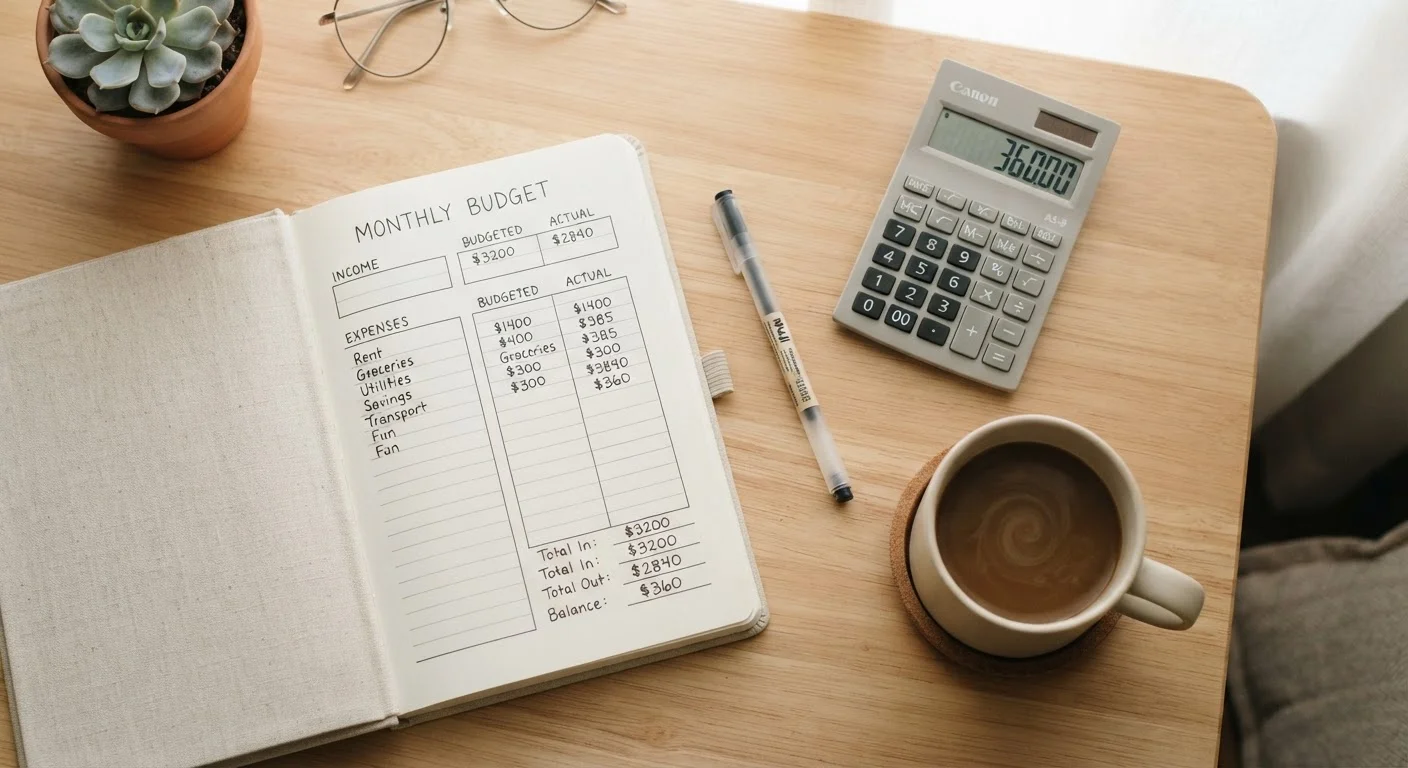
Photo: ArticleHood.com | Precision In Every Word editorial
Why Expense Categories Matter
Before you can build a budget, you need a working vocabulary for the money leaving your account. Expenses are not all alike - some are locked in, some fluctuate, and some are entirely optional. Understanding which is which helps you see where you have control and where your options are more limited.
This guide defines the three core expense types - fixed, variable, and discretionary - and explains how they interact. For a broader glossary of budgeting language, see The Language of Budgeting: Key Terms Defined.
| Fixed cost examples | Rent/mortgage, car loan, insurance premiums, student loan payment |
| Variable cost examples | Groceries, gas, electricity, water, clothing |
| Discretionary spending examples | Restaurants, streaming services, travel, hobbies, gym membership |
| Framework that uses these categories | 50/30/20 budget rule (needs / wants / savings) (Widely attributed to Senator Elizabeth Warren's 2005 book "All Your Worth") |
| Most controllable expense type | Discretionary spending - easiest to reduce quickly |
| Least controllable expense type | Fixed costs - require renegotiation or major life changes to alter |
Fixed Costs: The Predictable Foundation
Fixed costs are expenses that remain the same amount each billing period. You owe that amount regardless of how much - or how little - you use the underlying service. Because they don't change, they're the easiest to plan for but often the hardest to reduce.
Common fixed costs include:
- Monthly rent or mortgage payment
- Car loan installment
- Insurance premiums (auto, renters, health)
- Student loan payment on a standard repayment plan
- A fixed-rate internet or phone plan
Reducing a fixed cost usually requires a significant action: negotiating a lower rate, refinancing a loan, moving to a less expensive home, or canceling a contract. That's why budgeting guides often recommend addressing fixed costs first - they set the floor for everything else. For a full overview of how these costs fit into your overall budget, visit Personal Budgeting: An End-to-End Resource.
Variable Costs: Necessary but Flexible
Variable costs are non-optional expenses whose amounts shift from month to month. You cannot eliminate them - they cover genuine needs - but you often have meaningful control over how much you spend within each category.
Typical variable costs include:
- Groceries and household supplies
- Gas and transportation costs
- Electricity, gas, and water utilities
- Clothing and personal care
- Prescription medications (if amounts vary)
~33%
Of income spent on housing by average US consumer
According to the U.S. Bureau of Labor Statistics Consumer Expenditure Survey, housing consistently represents the single largest spending category for American households.
~12-15%
Of household spending on food (at home and away)
The BLS Consumer Expenditure Survey tracks food as the second or third largest category for most US household income brackets.
Because variable costs cover necessities, they belong in the "needs" bucket of frameworks like the 50/30/20 rule. However, they're also where behavioral choices - buying generic brands, meal planning, driving less - can meaningfully reduce spending without sacrificing essentials. Irregular necessary expenses, such as car repairs or dental bills, require a slightly different planning approach; learn how to plan for unexpected costs before they disrupt your budget.
Discretionary Spending: Wants, Not Needs
Discretionary spending covers everything that improves quality of life but isn't required for basic functioning. These expenses are the most flexible part of a budget - easy to trim in tight months, easy to expand when finances allow.
Examples include:
- Restaurants, takeout, and coffee shops
- Streaming and entertainment subscriptions
- Vacations and weekend trips
- Gym memberships and fitness classes
- Hobbies, books, and games
- Gifts and personal treats
The Same Bill Can Shift Categories
In the 50/30/20 framework, discretionary spending falls under the 30% "wants" category. Discretionary doesn't mean unimportant - these expenses contribute to wellbeing - but they're the first place most budgeters look when they need to free up cash. If you're planning a trip, the same categorization logic applies: see The Anatomy of a Travel Budget for a breakdown of where travel money actually goes.
Putting the Categories Together
The real value of these three categories is the clarity they create. When you map every expense to a type, you can quickly answer questions like: How much of my income is already committed? and Where do I actually have room to cut?
Fixed Cost
An expense that stays the same amount every billing period, regardless of how much you use a service or product. Rent and car loan payments are classic examples.
Variable Cost
An expense that changes in amount from month to month based on usage or consumption. Grocery bills and utility costs are common variable expenses.
Discretionary Spending
Money spent on non-essential wants rather than needs - things like dining out, streaming subscriptions, or hobby supplies. These are the most flexible line items in a budget.
Non-Discretionary Spending
Spending on necessities you cannot reasonably eliminate, such as housing, food, and transportation to work. These costs take priority in any budget.
Semi-Variable Cost
An expense that has a fixed base component plus a variable portion that depends on usage - for example, a cell phone plan with a set monthly fee plus overage charges.
50/30/20 Rule
A popular budgeting framework suggesting roughly 50% of after-tax income go toward needs, 30% toward wants, and 20% toward savings and debt repayment.
A practical starting exercise is to list every monthly expense and label each one: fixed, variable, or discretionary. Add a second label - need or want - to capture cases where a fixed-amount bill is still discretionary in nature (like a streaming plan). This two-dimension view is more accurate than amount alone.
From there, you can apply a framework, set category targets, and track spending over time. For guidance on keeping a budget working through real-life challenges, see Making a Budget Stick When Life Gets Expensive. Managing household expenses is also closely connected to everyday household routines, where small habits can add up to meaningful savings.
This article is for general informational and educational purposes only. It does not constitute personalized financial advice. For guidance tailored to your individual circumstances, consult a qualified financial professional.
The content on this site is for informational purposes only and is not a substitute for professional advice. Always consult a qualified professional for guidance specific to your situation.