
The Anatomy of a Travel Budget: Where Your Money Actually Goes

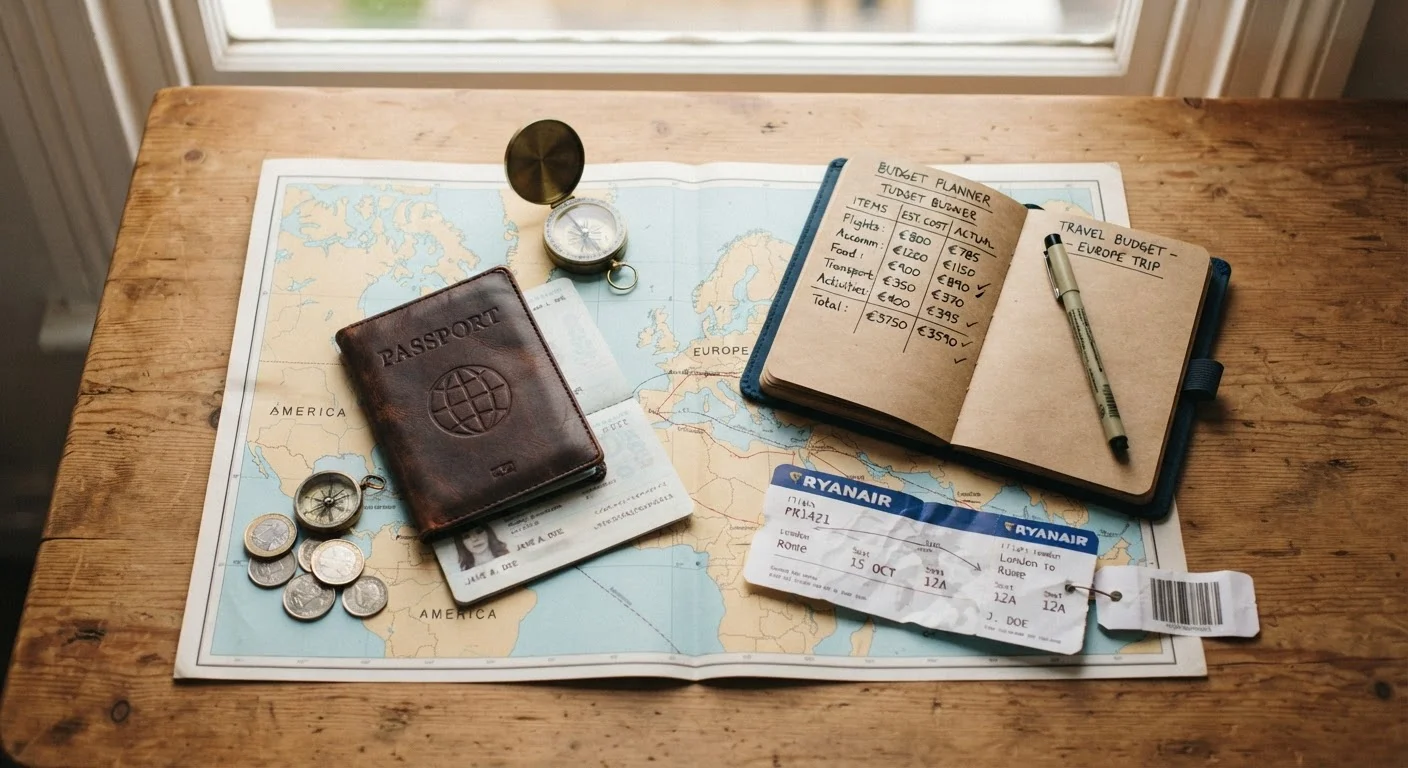
Photo: ArticleHood.com | Precision In Every Word editorial
Key Takeaways
- Flights and accommodation typically represent only 50-60% of total travel spending.
- Ground transportation, meals, and activity costs are frequently underestimated at the planning stage.
- Hidden costs - visa fees, baggage charges, travel insurance, currency conversion - can add 15-20% to a trip budget.
- A contingency buffer of 10-15% of your total budget helps absorb surprises without derailing a trip.
- Timing, destination choice, and travel style dramatically affect where your money goes.
- Building a budget by category and day is more accurate than estimating a single total.
The Big Two: Flights and Accommodation
Most travelers start - and unfortunately often stop - their budgeting with flights and accommodation. These are the anchors of any trip budget, and for good reason: they tend to be the largest individual line items and must usually be confirmed well in advance.
Flights vary enormously based on origin, destination, booking timing, and travel class. What's worth understanding is that the sticker price of a fare is rarely the final price. Checked baggage fees, seat selection charges, and in-flight purchases can add meaningfully to that base figure - sometimes 20-30% more for budget carriers.
Accommodation carries its own hidden layers. Hotel resort fees, parking, and Wi-Fi charges aren't always included in the listed rate. Understanding the full nightly cost - inclusive of taxes and fees - before committing is a discipline that separates accurate budgeters from wishful ones. See the booking fine print guide for a closer look at what's buried in reservation terms.
Ground Transportation, Meals, and Daily Spending
Once flights and lodging are locked in, a second tier of costs takes shape - and this is where budgets most often unravel. Ground transportation includes airport transfers, local transit passes, rental vehicles, fuel, tolls, and parking. In cities with robust public transit, this category stays lean. In destinations where a car is essential, it can rival accommodation costs.
Food spending is notoriously difficult to predict. A traveler eating at local markets will spend a fraction of what someone dining at mid-range restaurants for every meal pays. Cultural context matters enormously here - tipping expectations, service charges, and cover charges vary widely by country, and ignoring them produces budget gaps.
Activities and entrance fees deserve their own line. Museum admissions, guided tours, national park passes, and cultural experiences all carry real costs that accumulate quickly, especially over a week or more. The things travelers underestimate guide covers many of these overlooked day-to-day costs in detail.
50-60%
Share of travel spend on flights and lodging
Industry travel spending analyses consistently find that the remaining 40-50% goes to ground transport, meals, activities, and fees.
15-20%
Budget added by hidden fees and incidentals
Visa costs, baggage fees, insurance, and currency conversion charges routinely add this margin on top of travelers' initial estimates.
10-15%
Recommended contingency buffer
Travel planning resources broadly recommend reserving this proportion of total trip cost to absorb unexpected expenses without disrupting the trip.
The Hidden Layer: Fees, Insurance, and Incidentals
This is the budget category that catches travelers most off guard. Visa and entry fees vary widely - some destinations charge nothing, others require substantial advance payments through formal application processes. Travel insurance is another cost many travelers either skip entirely or underestimate; understanding what a policy actually covers before purchasing is worth the time. The how travel insurance works article offers a plain-language breakdown.
Currency conversion costs - whether through ATM fees, credit card foreign transaction charges, or unfavorable exchange rates at airport kiosks - are real expenses that compound over a trip. Travelers who don't account for them may spend more than expected without ever understanding why.
Incidentals round out this layer: laundry, medication, souvenirs, communication (local SIM cards or international plans), and the inevitable small purchases that don't fit any category. Budgeting a modest daily incidental allowance prevents these from quietly eroding your buffer.
Build Your Budget in a Spreadsheet First
Building Your Buffer and Putting It All Together
Even a carefully constructed budget operates in an uncertain world. Flights get delayed, bags get lost, weather changes plans, and health surprises don't respect itineraries. A contingency buffer - typically 10-15% of the total trip cost - isn't pessimism; it's sound planning.
The most reliable approach to building a travel budget is to work category by category, then by day. Estimate each cost type individually, multiply by trip length where applicable, add fixed costs, and finally add your buffer on top. This method surfaces gaps that a single-lump-sum estimate conceals.
Destination choice and travel timing shape almost everything. Off-season travel can meaningfully reduce flight and accommodation costs, though reduced services and weather risks are genuine trade-offs. For a full planning framework that ties all of these elements together, the complete trip planning framework offers an end-to-end approach. And if you're looking to apply travel budgeting within a broader personal finance strategy, the personal budgeting guide provides useful context.
Frequently Asked Questions
The content on this site is for informational purposes only and is not a substitute for professional advice. Always consult a qualified professional for guidance specific to your situation.