
Travelling Off-Season: The Honest Trade-Offs

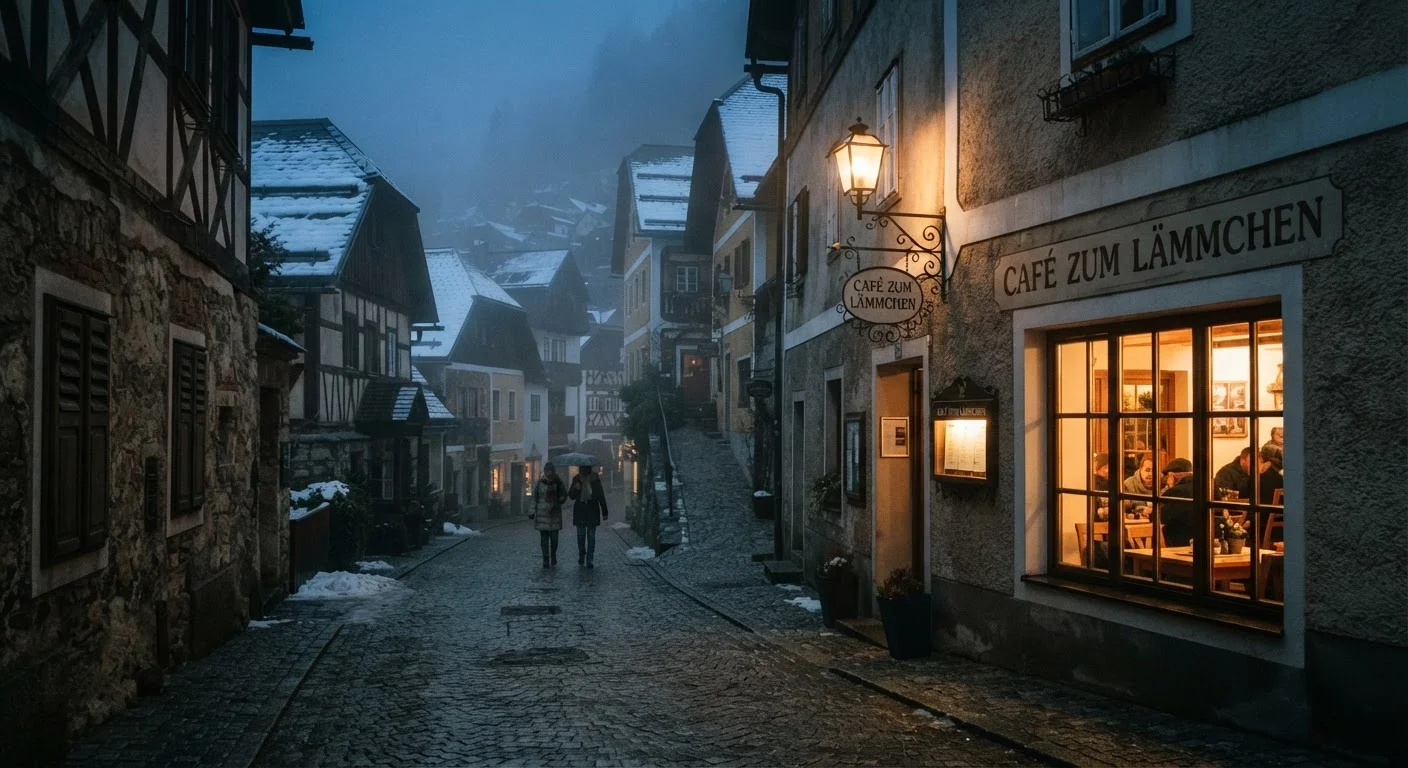
Photo: ArticleHood.com | Precision In Every Word editorial
Key Takeaways
- Off-season travel typically offers lower prices on flights and accommodation, but savings vary widely by destination.
- Reduced crowds can create more authentic experiences, though some attractions or services may be closed.
- Weather is the biggest wildcard - off-peak timing often coincides with rain, heat extremes, or cold.
- Flexibility and solid research matter more during shoulder and low seasons than at any other time.
- Some destinations are genuinely better off-season; others lose much of their appeal without the peak infrastructure.
Lower prices on flights and accommodation
Airfares and hotel rates often drop noticeably outside peak season, though the gap varies by route and region. Some popular European cities see accommodation costs fall by 30-40% compared to summer highs.
Fewer crowds at major sites
Landmarks and museums that feel overwhelming in peak season become genuinely enjoyable when visitor numbers drop. This also means shorter queues, easier photography, and more room to actually absorb what you came to see.
More authentic local atmosphere
When tourism slows, destinations return to their everyday rhythms. Restaurants cater to locals, markets aren't curated for visitors, and conversations with residents tend to be more natural and unhurried.
Easier accommodation availability
Off-peak travelers generally don't need to book months in advance, giving more flexibility to change plans, extend stays, or shift destinations based on conditions on the ground.
Distinct natural and cultural experiences
Some destinations offer genuinely different and rewarding experiences in their quieter seasons - autumn color in Japan, dramatic winter light in Scandinavia, or the rainy season's lush landscapes in Southeast Asia.
Unpredictable or adverse weather conditions
Low season often coincides with a destination's worst weather - heavy rain, extreme heat, cold, or storm risk. This isn't always a dealbreaker, but travelers should research it honestly before booking.
Seasonal closures of attractions and services
Restaurants, ferry routes, cable cars, and even museums sometimes close or reduce hours during the low season. Arriving without checking ahead can leave itineraries with unexpected gaps.
Reduced transport frequency
Bus routes, boat schedules, and local connections often run on reduced timetables outside peak months. This can add significant time and complexity to getting between places.
Fewer fellow travelers for social connection
For solo travelers in particular, the quieter atmosphere that makes off-season appealing can also mean fewer opportunities to meet people at hostels, tours, or shared activities.
Some experiences simply don't exist off-season
Certain festivals, wildlife migrations, outdoor activities, or cultural events are inherently tied to peak timing. Visiting outside that window means those experiences are simply unavailable, not just less crowded.
What Off-Season Actually Means
The term "off-season" gets used loosely, but it generally refers to the period when a destination sees its lowest visitor numbers - typically due to weather, school calendars, or cultural patterns. There's also a middle ground called the shoulder season: the weeks just before or after peak, when crowds thin but conditions remain relatively favorable.
The boundaries shift dramatically by destination. For a beach town on the Mediterranean, low season might run November through March. For ski resorts, summer is the quiet stretch. Understanding which type of off-season you're entering is the first step - because they're not all the same. See how specific places handle this in our guide to Kyoto by season, where the rhythm changes entirely depending on when you arrive.
The Real Advantages
Lower prices on flights and accommodation
Airfares and hotel rates often drop noticeably outside peak season, though the gap varies by route and region. Some popular European cities see accommodation costs fall by 30-40% compared to summer highs.
Fewer crowds at major sites
Landmarks and museums that feel overwhelming in peak season become genuinely enjoyable when visitor numbers drop. This also means shorter queues, easier photography, and more room to actually absorb what you came to see.
More authentic local atmosphere
When tourism slows, destinations return to their everyday rhythms. Restaurants cater to locals, markets aren't curated for visitors, and conversations with residents tend to be more natural and unhurried.
Easier accommodation availability
Off-peak travelers generally don't need to book months in advance, giving more flexibility to change plans, extend stays, or shift destinations based on conditions on the ground.
Distinct natural and cultural experiences
Some destinations offer genuinely different and rewarding experiences in their quieter seasons - autumn color in Japan, dramatic winter light in Scandinavia, or the rainy season's lush landscapes in Southeast Asia.
The most cited draw is cost - and it's real, though rarely as dramatic as marketing suggests. Flights and accommodation do tend to be cheaper outside peak windows, and that can meaningfully reshape a travel budget. But the deeper reward is often atmospheric. Arriving at a famous site without the shoulder-to-shoulder crowds changes how you experience it entirely.
Local businesses also tend to be more relaxed and less rushed during quieter periods. That can translate into better conversations, more attentive service, and a sense of genuine hospitality rather than high-volume throughput. Destinations like quieter Mediterranean corners reveal an entirely different character when the summer rush recedes.
20-40%
Typical hotel rate reduction in low season
Travel industry analyses commonly cite significant accommodation discounts during off-peak periods, though the range varies substantially by destination and booking platform.
3-5x
Visitor volume difference at peak vs. off-peak
Popular destinations like the Amalfi Coast and certain Asian temple sites report visitor numbers several times higher in summer months compared to winter lows.
The Honest Disadvantages
Unpredictable or adverse weather conditions
Low season often coincides with a destination's worst weather - heavy rain, extreme heat, cold, or storm risk. This isn't always a dealbreaker, but travelers should research it honestly before booking.
Seasonal closures of attractions and services
Restaurants, ferry routes, cable cars, and even museums sometimes close or reduce hours during the low season. Arriving without checking ahead can leave itineraries with unexpected gaps.
Reduced transport frequency
Bus routes, boat schedules, and local connections often run on reduced timetables outside peak months. This can add significant time and complexity to getting between places.
Fewer fellow travelers for social connection
For solo travelers in particular, the quieter atmosphere that makes off-season appealing can also mean fewer opportunities to meet people at hostels, tours, or shared activities.
Some experiences simply don't exist off-season
Certain festivals, wildlife migrations, outdoor activities, or cultural events are inherently tied to peak timing. Visiting outside that window means those experiences are simply unavailable, not just less crowded.
None of this means off-season travel is universally better - or even easier. The factors travelers consistently underestimate become especially costly during low season, when there's less infrastructure to absorb mistakes. A missed ferry in summer might mean waiting an hour. In November, the next one might not run until morning.
Weather is the other big honest conversation. "Fewer tourists" often directly correlates with "less pleasant conditions." Some travelers handle that trade-off easily; others arrive disappointed. Knowing which type you are before booking is more valuable than any tip about hidden deals.
Who Travels Well Off-Season
Off-season travel suits travelers who genuinely prioritize flexibility and atmosphere over predictable comfort. If you're rigid about itineraries, dependent on a specific experience (a cable car, a famous beach, a museum wing), or traveling with young children who need reliable routines, peak or shoulder season may serve you better.
For independent travelers comfortable with improvisation, the low season can be quietly transformative. Some of the most memorable travel experiences that rarely make the highlight reel happen precisely because the usual tourist layer has been peeled back.
Shoulder Season: A Middle Path
It's also worth thinking honestly about your travel style - whether you prefer going solo or in a group can affect how easily you adapt when something doesn't go to plan. Our look at solo vs. group travel dynamics covers how planning and flexibility shift between the two.
The content on this site is for informational purposes only and is not a substitute for professional advice. Always consult a qualified professional for guidance specific to your situation.