
Kyoto Beyond the Postcards: What the City Actually Feels Like to Visit

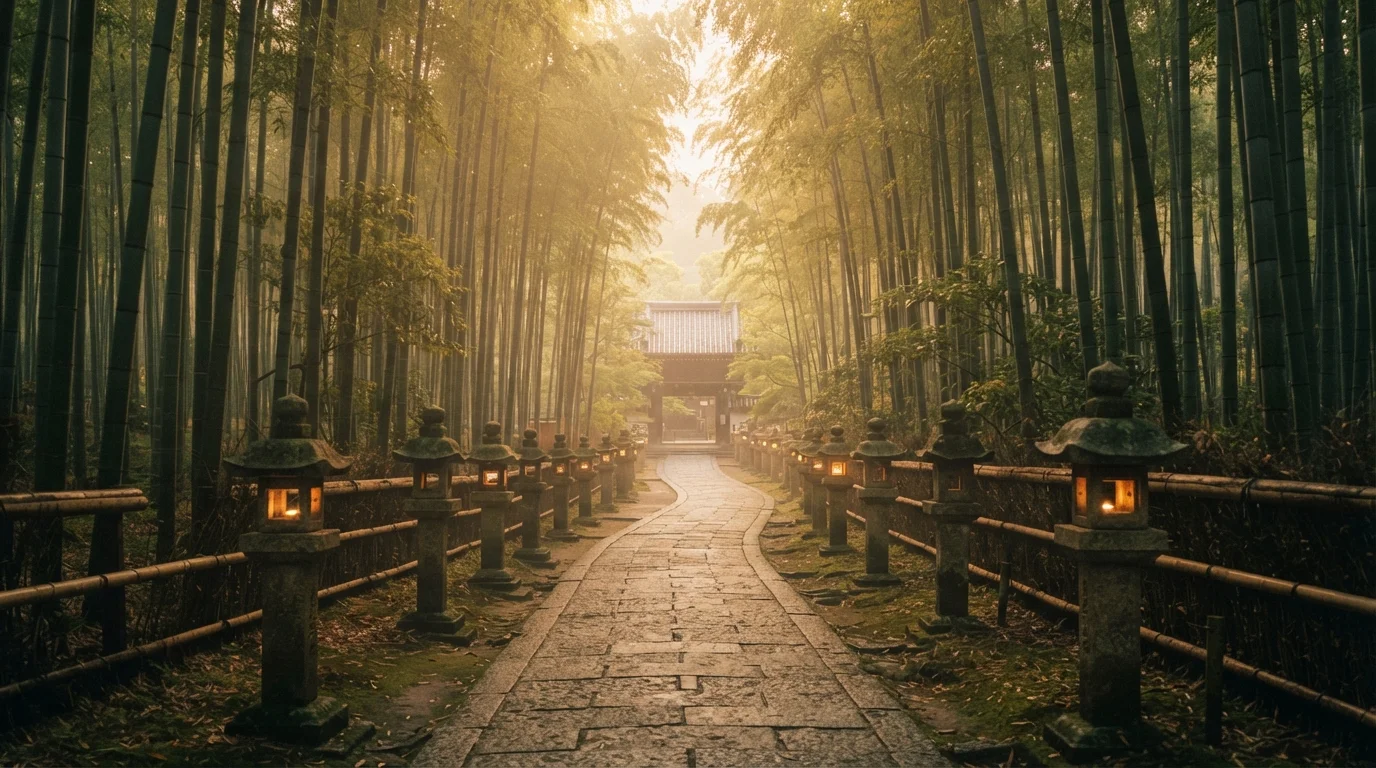
Photo: ArticleHood.com | Precision In Every Word editorial
Key Takeaways
- Kyoto rewards visitors who move slowly and plan around crowd patterns, not just sights.
- Cherry blossom and autumn foliage seasons are spectacular but intensely crowded and expensive.
- Early mornings are consistently the best time to experience famous sites without the crowds.
- Kyoto's food culture — from kaiseki to casual tofu cuisine — is as worth planning around as its temples.
- Summer is hot and humid but offers vivid festivals; winter is cold but quieter and often underrated.
- Understanding basic Japanese etiquette significantly improves the experience for you and locals alike.
What Kyoto Actually Is — and Isn't
Every travel magazine has printed the same image: a woman in a rented kimono walking the stone path at Fushimi Inari, orange torii gates receding into the mist. It's a real place, a genuinely beautiful one. But Kyoto the postcard and Kyoto the city are meaningfully different things, and the gap between them is worth understanding before you book flights.
Kyoto is a functioning city of about 1.4 million people. It has traffic, convenience stores, university students on bicycles, and neighborhoods where almost no tourists venture. Its famous sites — Kinkaku-ji (the Golden Pavilion), the Arashiyama bamboo grove, the geisha district of Gion — exist within this ordinary urban fabric, not separate from it. That coexistence is part of what makes Kyoto so compelling, and also what makes it occasionally jarring when expectation meets reality.
Visitors who arrive anticipating a living museum often feel the friction first. The crowds at the most-photographed spots can feel overwhelming, especially during cherry blossom season in late March and early April, or during the autumn color peak in November. Before your trip, it's worth reading up on common cultural missteps in Japan — small behavioral adjustments that matter a great deal to locals and to your own experience.
17
UNESCO World Heritage Sites in Kyoto
Kyoto holds 17 UNESCO World Heritage properties — temples, shrines, and a castle — making it one of the most heritage-dense cities in the world.
~50M
Annual visitors to Kyoto Prefecture
Kyoto Prefecture has drawn tens of millions of visitors annually in recent years, with the city center bearing the majority of foot traffic at major sites.
1,200+
Buddhist temples in Kyoto
The city is home to over 1,200 Buddhist temples alongside hundreds of Shinto shrines, making it impossible to visit every site even over many trips.
The City Season by Season
Kyoto's personality shifts dramatically by season, and the honest picture involves trade-offs at every time of year.
Spring (late March–early April) is Kyoto at its most photogenic. The city's hundreds of cherry trees — in temple gardens, along the Philosopher's Path, beside the Kamo River — bloom in pale pink clouds that are genuinely as beautiful as advertised. What the photos don't show are the hotel rates (often double or triple standard pricing), the shoulder-to-shoulder crowds at every popular viewpoint, and the difficulty of securing restaurant reservations without weeks of advance planning. If spring is your only option, arrive before the peak bloom and book everything early.
Summer (June–August) is hot, genuinely humid, and often overlooked. July brings the Gion Matsuri, one of Japan's oldest and most atmospheric festivals — a month-long series of ceremonies that culminates in elaborate float processions through the city center. The crowds are smaller than spring outside of festival weekends, and the city's gardens and bamboo groves feel lush and verdant. Prepare for heat; early morning and evening walks are essential strategies.
Autumn (mid-October–late November) rivals spring for beauty. The hillside temples at Tofuku-ji and Eikan-do are wrapped in red and gold maple foliage that is, frankly, stunning. Crowds return, though many visitors find autumn slightly more manageable than spring. Traveling off-peak — even by a week or two on either side of peak color — makes a measurable difference.
Winter (December–February) is Kyoto's quietest and most underrated season. Temple grounds dusted with snow, far fewer tour groups, and accommodation at reasonable rates. It is cold, and some outdoor gardens lose their appeal. But the city's food culture — warming bowls of tofu hot pot, intimate izakaya, tea ceremony in a hushed tatami room — arguably shines brightest in the chill.
The Early Morning Rule in Kyoto
Where to Actually Spend Your Time
Rather than prescribing a rigid itinerary, it's more useful to think about Kyoto in districts, each with its own texture.
Higashiyama is the historic eastern district — cobblestone lanes, wooden craft shops, Kiyomizu-dera temple perched above the city. Arrive before 8 a.m. and you may have it nearly to yourself. By 10 a.m., the tour buses are unloading.
Arashiyama, on the western edge of the city, contains the famous bamboo grove (smaller than most visitors expect, and best seen at first light), the Tenryu-ji garden, and the quieter Sagano area, where rice fields and small temples reward an hour of wandering beyond the main tourist spine.
Gion is the geisha district, and while sightings of maiko (apprentice geisha) are possible in the evenings along Hanamikoji Street, they are far from guaranteed. The neighborhood's real value is its preserved machiya (wooden townhouse) architecture and its excellent restaurants, from humble lunch counters to formal kaiseki dining.
Fushimi Inari, technically its own district south of central Kyoto, deserves more than the thirty-minute photo stop most visitors give it. The full hike through thousands of vermilion torii gates to the mountain summit takes two to three hours and leaves the crowds far behind.
Eating and Moving Around
Kyoto's food culture is a serious reason to visit in its own right. The city is famous for kaiseki — the elaborate, seasonal multi-course cuisine that is Japan's most refined dining tradition — but also for simpler pleasures: silken tofu dishes, matcha everything, pickled vegetables from Nishiki Market, and the particular pleasure of a perfectly made bowl of ramen on a cold morning.
Getting around requires a brief orientation. The city bus network is comprehensive but can be painfully slow along tourist corridors. The two subway lines (Karasuma running north-south, Tozai running east-west) cover key hubs efficiently. Many visitors rent bicycles for the central flat areas, which works well outside of rainy days and summer's worst heat. For Arashiyama and the northern temples, a combination of train and bus is typically most practical.
If the gap between travel marketing and ground-level reality is something you think about, it's worth understanding how travel experiences are packaged and described — Kyoto is a city where managing expectations thoughtfully pays dividends.
“Kyoto is the kind of place where what you see depends almost entirely on how you look. Rush through it and you get a highlight reel. Slow down and it becomes something else — a city that has been quietly perfecting the same things for centuries.”
— Travel & Places Editorial Team, Destination editors with firsthand research experience in Japan
Frequently Asked Questions
The content on this site is for informational purposes only and is not a substitute for professional advice. Always consult a qualified professional for guidance specific to your situation.