
Cultural Missteps That Can Sour a Trip to Japan - and How to Avoid Them

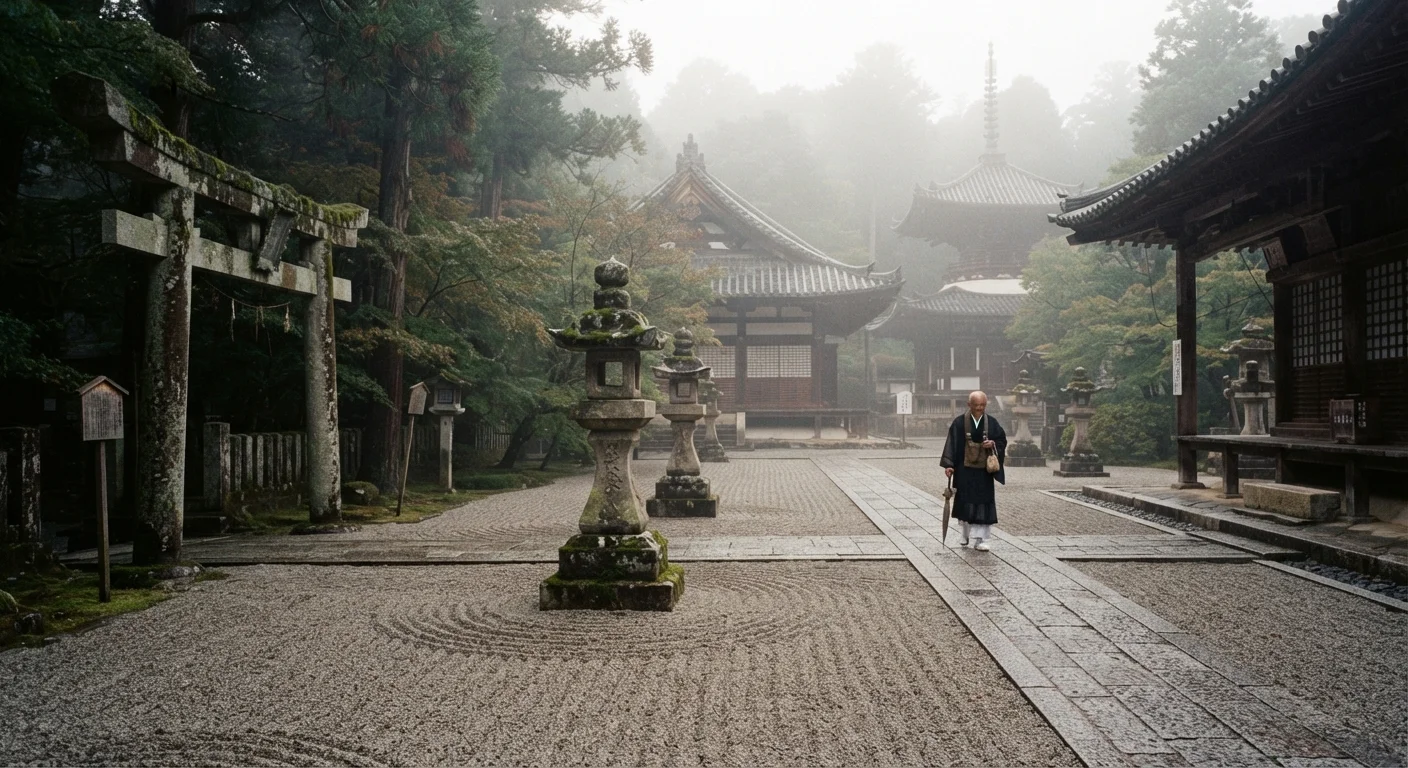
Photo: ArticleHood.com | Precision In Every Word editorial
Key Takeaways
- Removing shoes before entering homes and many traditional spaces is a non-negotiable social norm in Japan.
- Talking loudly on public transit is considered rude; quiet, reserved behavior is the expected standard.
- Tipping is not customary in Japan and can be perceived as insulting rather than generous.
- Eating or drinking while walking is frowned upon in most contexts outside designated street food areas.
- Photography restrictions at temples, shrines, and neighborhoods are posted for good reason - follow them.
Why Etiquette Matters More Than You Might Expect
Japan consistently ranks among the most popular long-haul destinations for American travelers - and for good reason. The country rewards curiosity with extraordinary depth: ancient shrines tucked into urban neighborhoods, regional cuisines with obsessive precision, and a sense of public order that can feel almost otherworldly to visitors from noisier places. But that same social cohesion depends on a set of shared expectations that outsiders often don't know about.
The good news is that Japanese culture generally extends grace to well-intentioned foreign visitors. Locals understand that not everyone arrives knowing every custom. What matters is effort and genuine respect - not perfection. Still, certain missteps carry enough weight that they can genuinely affect your experience, limit access to spaces, or disrupt the people around you.
Whether you're navigating your first week in Tokyo or exploring the quieter temple districts of Kyoto, a grounded understanding of local customs will make nearly everything easier.
Etiquette Is Not Optional in Japan
The Most Common Cultural Missteps - and How to Course-Correct
Most etiquette errors in Japan fall into a few clear categories: footwear, noise, money, food, and photography. None are difficult to navigate once you know what to look for. The mistakes below represent the patterns seen most often among international visitors.
Wearing shoes inside homes, ryokan (traditional inns), and many temples without removing them at the entryway.
Tipping servers, taxi drivers, or hotel staff with cash, assuming it signals appreciation.
Talking loudly on trains, buses, or subways, or taking phone calls without stepping off.
Eating or drinking while walking through streets, neighborhoods, or transit areas.
Photographing locals, temple interiors, or private neighborhoods like Gion without checking whether it's permitted.
Passing food or objects directly between chopsticks to another person's chopsticks.
If you're planning time in Kyoto specifically, it's worth reading our honest look at what the city actually feels like to visit - the cultural stakes around photography and neighborhood access are especially relevant there. And for travelers who want to attend local events, our guide to cultural festivals as a travel lens outlines courtesies that make those experiences genuinely meaningful rather than awkward.
Tattoos May Restrict Access to Some Venues
Building Cultural Awareness Into Your Planning
The most avoidable travel friction usually comes not from bad intentions but from underprepared itineraries. Etiquette research tends to get crowded out by logistics - hotels, flights, rail passes - and travelers arrive without a working picture of daily social norms. Our guide on things travelers consistently underestimate when planning a trip addresses exactly this gap, including local tipping customs and transit expectations.
3.2M
U.S. visitors to Japan annually (pre-pandemic)
Japan Tourism Agency figures show American travelers are among the largest international visitor groups, making cultural literacy especially relevant for U.S.-based trip planners.
80,000+
Shinto shrines across Japan
Japan's density of sacred sites means travelers are likely to visit several - each with its own approach customs and photography rules that vary by location.
A few hours of focused reading before departure - not just on sights and schedules, but on how people actually behave in public spaces, restaurants, and sacred sites - pays dividends that no amount of in-the-moment improvisation can replace. Japan is deeply rewarding when approached with that kind of preparation. Go in with curiosity, some humility, and a willingness to follow the room, and the country tends to open up in ways that far exceed the postcard version.
The content on this site is for informational purposes only and is not a substitute for professional advice. Always consult a qualified professional for guidance specific to your situation.