
Cultural Festivals as a Travel Lens: What to Know Before You Go

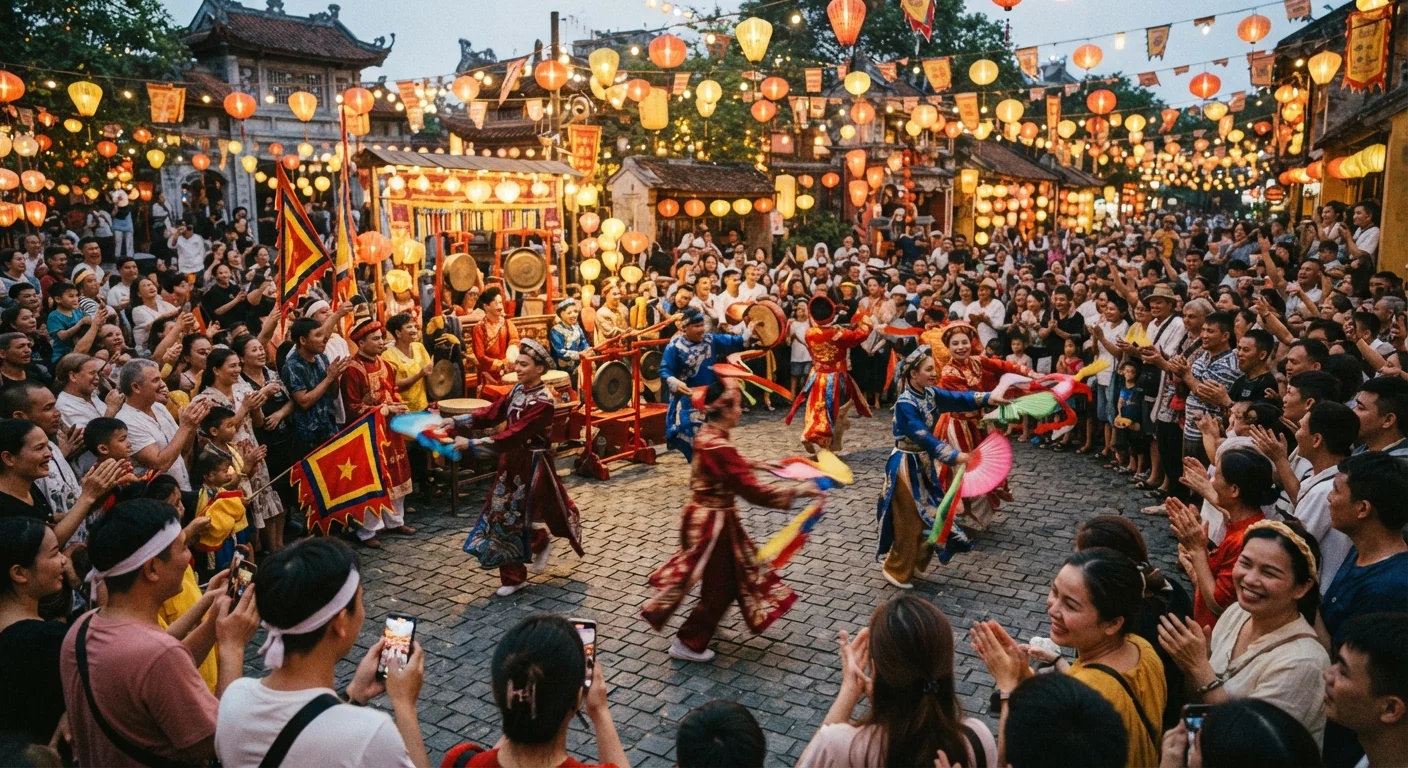
Photo: ArticleHood.com | Precision In Every Word editorial
Key Takeaways
- Festivals compress cultural meaning into a few days - understanding context deepens the experience.
- Not every festival welcomes outside participation; observing respectfully is often the right role.
- Timing your trip around a festival requires advance planning for accommodation and entry.
- Learning basic customs beforehand prevents unintentional disrespect to local communities.
- Smaller, regional festivals often offer more authentic access than internationally marketed events.
Why Festivals Reveal What Sightseeing Often Misses
Standing at the edge of a monsoon parade in Jaipur or watching lanterns released over a dark lake in northern Thailand, you become aware of something that no landmark visit quite delivers: a community in the act of being itself. Festivals compress centuries of belief, history, and social ritual into a single vivid window of time.
Where sightseeing tends to be retrospective - you look at what was - a festival is emphatically present tense. People are dressed, moved, and gathered because the occasion still matters to them. That distinction is what makes festival travel feel so alive.
If you're already drawn to this kind of depth, you might find that building your entire trip around one cultural thread - music, food, religious tradition - amplifies the experience further. Festivals can serve as the anchor point for exactly that kind of focused journey.
Key Concepts to Understand Before You Attend
Festival travel rewards preparation, and preparation starts with vocabulary - both literal and conceptual.
Sacred festival
A celebration with religious or spiritual significance, often governed by rituals and rules that hold deep meaning for the community - and may restrict outside participation.
Secular festival
A public celebration focused on cultural, civic, or seasonal themes rather than religious observance. These are generally more open to visitor participation.
Ceremonial protocol
The set of expected behaviors, sequences, and boundaries that govern how a ritual or formal event is conducted. Breaching protocol - even unintentionally - can cause offense.
Cultural tourism
Travel motivated by the desire to experience the arts, heritage, customs, and living traditions of a place, rather than just its landmarks or landscapes.
Lunar calendar
A calendar system based on the cycles of the moon rather than the solar year. Many religious and harvest festivals are scheduled by lunar dates, so their exact timing shifts each year on the Western calendar.
Understanding whether a festival is primarily sacred or secular shapes every decision you'll make, from what to wear to how close you should stand during a ritual. Many events blend both registers - a harvest celebration might open with religious ceremony and transition into public music and feasting. Knowing where those transitions happen prevents awkward missteps.
It also helps to understand the difference between a community festival and a tourism-oriented event. The latter is designed for outside visitors and often adapts or curates elements for accessibility. A community festival exists first for locals; you are a guest, and the customs were not arranged for your comfort or comprehension.
Researching the Right Festival for Your Trip
The world's most famous festivals - Carnival in Rio, Diwali in Varanasi, Mardi Gras in New Orleans - are extraordinary, but their scale can be both a draw and a barrier. Millions of visitors mean intense logistics, inflated prices, and sometimes a diluted sense of community intimacy.
Smaller, regional equivalents often offer something closer to the original spirit. A textile fair in a highland Guatemalan town, a saint's day procession in rural Portugal, a harvest ceremony in a Japanese village - these events are less Instagrammed and more genuinely shared. Quietly transformative experiences rarely trend on social media, but they tend to stay with you longest.
When researching, prioritize sources that are close to the community itself: regional tourism boards, cultural associations, and - if you can arrange it - a local contact. Dates frequently shift based on lunar calendars, agricultural cycles, or local governance, so always verify through an official or community-linked source before booking travel.
Ask a Local Before You Book
Etiquette, Participation, and Being a Respectful Guest
The most common mistake festival visitors make is assuming that because they are welcome to watch, they are welcome to join. Many ceremonial elements - dances, offerings, processions - are reserved for community members, initiates, or those with specific roles. Observing from a respectful distance is not a lesser experience; it is often the appropriate one.
A few principles apply broadly, even if specifics vary by culture:
- Follow dress expectations without needing to be asked. If local attendees are wearing modest or traditional clothing, take the cue.
- Ask before photographing individuals or rituals. A camera pointed at a religious moment can feel intrusive even when no one says so directly.
- Spend locally. Buying food, craft items, and accommodations from community vendors directly supports the people whose traditions you've come to witness.
- Arrive knowing something. Even a basic understanding of a festival's origins shifts you from spectator to genuinely interested guest.
For destination-specific etiquette, it's worth reading carefully - cultural missteps that seem minor to outsiders can carry real weight in context.
Social Media Can Distort Expectations
Practical Logistics Worth Getting Right
Festival timing creates predictable pressure points: accommodation books out fast, transport routes get overwhelmed, and entry to specific venues or viewing areas may require advance tickets or registration. Build your planning around these realities rather than around the assumption that things will work out.
Consider where you'll be staying. A hotel in a city center during a major festival may be loud, crowded, and expensive - but it may also be the heart of the action. If you value immersion over comfort, that trade-off can be worth it. For something more grounded, a home-stay with a local family can provide both context and connection that no hotel lobby offers.
It's also worth thinking about timing beyond the festival itself. If you're flexible, arriving a day or two early lets you see the city in its preparatory mode - decorations going up, vendors arriving, the quiet before the celebration. That transition is often as revealing as the event itself. For a broader look at how travel timing shapes the experience, off-season considerations are worth factoring into your overall itinerary.
Finally, verify all entry requirements, vaccination recommendations, and travel advisories through your government's official travel information source before booking. Conditions change, and no article - including this one - substitutes for current official guidance.
Frequently Asked Questions
The content on this site is for informational purposes only and is not a substitute for professional advice. Always consult a qualified professional for guidance specific to your situation.