
Forms of Travel That Rarely Make the Highlight Reel

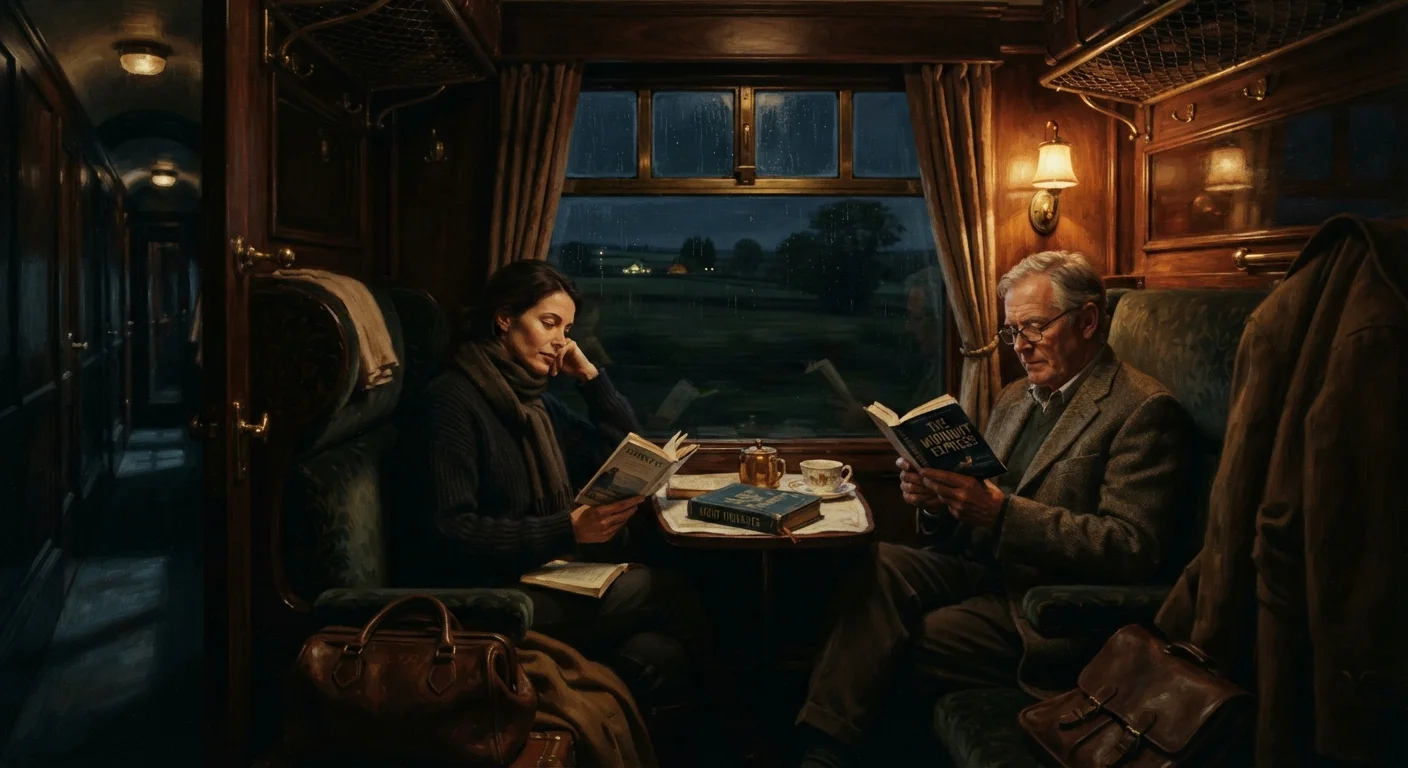
Photo: ArticleHood.com | Precision In Every Word editorial
Key Takeaways
- Overnight trains, oral history tours, and artisan workshops offer depth that highlight-reel experiences rarely match.
- Slow, unhurried formats tend to create stronger memories than packed itineraries.
- Many overlooked travel formats cost less than headline attractions and require minimal advance planning.
- Choosing one experience with intention often yields more than cramming ten into a single trip.
What the highlight reel leaves out
Travel photography and social media have a tendency to flatten experience into its most legible moments: the overlook, the landmark, the plated dish. What doesn't make the frame is everything happening in between - the overnight train compartment at 2 a.m., the potter's studio that smells of wet clay, the market vendor who explains what you're about to eat using only hand gestures and evident pride.
None of these moments are hidden, exactly. They simply require a different kind of intention than booking the obvious itinerary. The forms of travel below don't promise transformation - travel rarely delivers on that word - but they tend to produce something more durable than a good photograph. They produce a story you'll actually want to tell.
The overnight train journey
Booking an overnight train is one of the most atmospheric decisions a traveler can make - and one of the most underused. You board in one city and wake up in another, having watched the landscape shift through a darkening window while eating whatever the dining car offers. There's no airport security theater, no rushing to a gate, no luggage carousel. You arrive rested (or interestingly unrested) directly in a city center.
Routes across Europe, Japan, India, and parts of Southeast Asia still offer legitimate overnight rail travel. Many include sleeping berths ranging from simple couchettes to private compartments. The journey itself becomes part of the trip rather than dead time to survive.
You board in one city and wake up in another - the journey itself becomes the experience.
Artisan workshop visits
Watching a potter center clay, a weaver thread a loom, or a glassblower shape molten material is a fundamentally different engagement with craft than reading a placard in a museum. These visits - sometimes organized through local cultural centers, sometimes arranged informally - put you in the room where a tradition is actually alive, not archived.
The key is distinguishing genuine working studios from demonstrations staged entirely for tourists. Before booking any immersive experience, it's worth asking whether artisans are working as they normally would or performing a truncated show. The former tends to be quieter, less polished, and far more memorable. If you're building a trip around a single craft tradition, workshop visits can anchor the whole journey.
The key is distinguishing genuine working studios from demonstrations staged entirely for tourists.
Market mornings with no agenda
Local markets - municipal food halls, weekly farmers' markets, covered bazaars - are as honest a window into daily life as travel offers. The social dynamics alone tell you something: who haggles, who doesn't, what's seasonal, what's priced for locals versus visitors, which stalls draw the longest lines.
Arriving early matters. By mid-morning in most places, the atmosphere has shifted and the best produce is gone. Bring cash, no shopping list, and enough appetite to eat whatever looks interesting. This is also one of the more food-accessible travel formats - street food and market snacks are often cheaper and more regionally specific than anything on a restaurant menu. Food and movement are, after all, among the most elemental parts of how we experience daily life.
Markets are as honest a window into daily life as travel offers - arrive early, bring cash, no agenda.
Oral history and memory tours
These are guided experiences centered on personal or community memory rather than architectural landmarks. A retired dock worker walking you through a port neighborhood. A civil rights historian narrating a city block by block. A community elder describing what a square looked like before it was redeveloped. The tour format is the same as any walking tour, but the content is irreproducible - it exists only because a specific person agreed to share it.
How to find and evaluate a genuinely good guided walk is its own subject, but the short version is: look for small groups, a specific rather than general premise, and a guide with a personal connection to the material rather than a rehearsed script.
The content exists only because a specific person agreed to share it - irreproducible by any guidebook.
Off-season wandering in familiar destinations
Returning to a destination - or arriving somewhere well-known - outside its peak season changes the experience more than most travelers expect. The cathedral you've seen in photographs looks different when you're one of twelve visitors rather than one of twelve hundred. Locals are more present. Businesses are less performance-tuned to tourism.
There are real trade-offs: some services contract, weather can be unpredictable, and certain sites keep reduced hours. An honest look at what off-season travel actually delivers is worth reading before you commit. But for travelers whose priority is unhurried engagement rather than ticking boxes, the quieter version of almost anywhere is usually the better version.
The quieter, off-season version of almost anywhere is usually the more honest version of it.
Staying long enough to have regulars
This one is less an activity than a posture: staying somewhere long enough that a café owner recognizes you, that you develop a preferred table, that you begin to understand the rhythm of a neighborhood rather than just its geography. It's the animating principle behind slow travel.
Even within a standard trip, one or two fewer destinations and a few more days in each can shift the quality of experience substantially. You start noticing things that aren't in the guidebook - the light at a particular hour, the argument two neighbors are still having, the dog that belongs to no one and everyone. That noticing is, arguably, what travel is actually for.
Stay long enough to have a regular table - that noticing is what travel is actually for.
Building a trip around what you actually want
Most of the experiences described here benefit from a degree of advance thought, even when they seem spontaneous. Knowing which market operates on which mornings, identifying an oral history project before you arrive, or simply deciding that this trip will involve fewer destinations and more time - these are planning decisions that shape what becomes possible.
One unhurried experience beats five rushed ones
If any of these formats resonate, it may be worth thinking about what a home-stay adds to this kind of travel, or how quieter corners of well-traveled regions can make these experiences more accessible than travelers often expect. The throughline is the same: depth over coverage, presence over documentation.
Verify logistics before you travel
The content on this site is for informational purposes only and is not a substitute for professional advice. Always consult a qualified professional for guidance specific to your situation.