
Underrated Corners of the Mediterranean Worth Slowing Down In

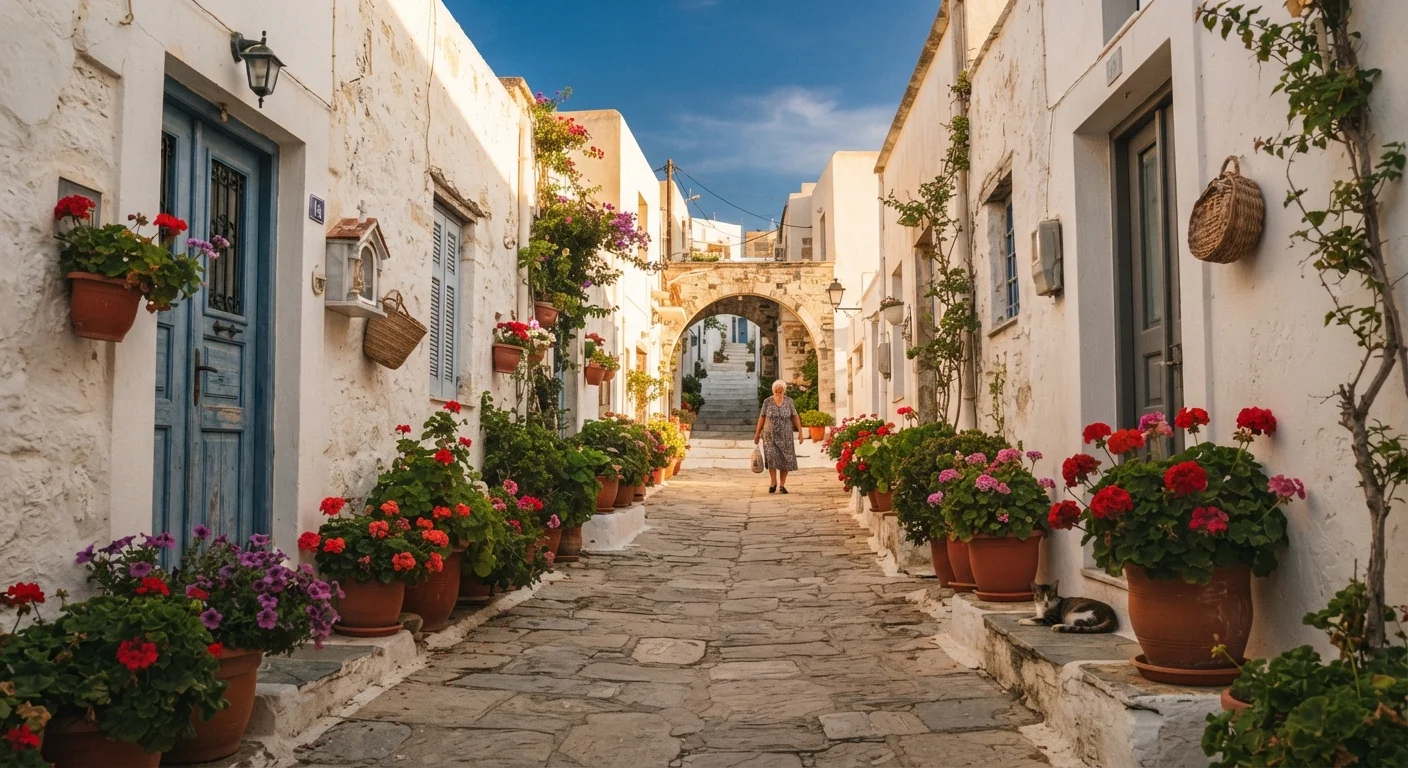
Photo: ArticleHood.com | Precision In Every Word editorial
Key Takeaways
- Several Mediterranean destinations offer deep cultural richness with far fewer crowds than their famous neighbors.
- Slowing down in lesser-known areas often means more authentic interactions with locals and traditions.
- Timing and realistic expectations matter - some quieter spots have limited services outside peak months.
- These eight places span five countries and reward curious, unhurried travelers.
- Off-season visits can amplify the sense of discovery but come with genuine trade-offs worth understanding.
Why the Mediterranean Still Has Room to Surprise You
The Mediterranean's most famous coastlines - the Amalfi, the Greek islands, the French Riviera - have become almost theatrical in their popularity. The photography, the crowds, the logistics: it's a well-documented experience, and not always the effortless escape it appears in photos. But the Mediterranean basin is vast, stretching across more than twenty countries, and it rewards travelers who are willing to look past the postcard version.
The eight places below aren't secrets, exactly - but they remain genuinely undervisited relative to their quality. Each offers something substantive: intact old towns, living food traditions, remarkable landscapes, or a pace of life that feels less curated. If you're drawn to the kind of travel that rarely makes the highlight reel, this list is a starting point.
Verify Before You Travel
Eight Places Worth Your Slowest Days
Matera, Italy
Carved into a ravine in Basilicata, Matera is one of the oldest continuously inhabited cities on Earth - its sassi (cave dwellings) have been home to humans for roughly 9,000 years. Designated a UNESCO World Heritage Site and European Capital of Culture in 2019, it attracted a burst of attention but remains far quieter than comparable sites in Tuscany or Sicily. The town rewards walkers willing to get lost in its layered geology, ancient churches, and cave-restaurant culture. Southern Italy's slower pace is particularly pronounced here.
Matera's ancient cave city feels genuinely apart from mainstream Italian tourism.
Plovdiv, Bulgaria
Bulgaria's second city has an Old Town that would be mobbed with visitors if it sat somewhere in Western Europe. Instead, Plovdiv offers Roman ruins, colorful National Revival-era houses, an active arts scene, and excellent Balkan food at prices that remain relatively modest. The city has also served as a European Capital of Culture, yet its international profile remains low. It's an accessible, walkable destination with a young, creative energy that feels earned rather than manufactured.
Plovdiv delivers Roman history and a vibrant arts scene with a fraction of the typical crowds.
The Peloponnese, Greece
While the Cyclades dominate most Greece itineraries, the Peloponnese peninsula holds some of the country's most compelling history. Mycenae, Epidaurus, ancient Sparta, and the extraordinary medieval fortress-town of Mystras are all here - alongside olive groves, mountain villages, and quieter beaches. The infrastructure is solid enough for independent travel, and the absence of the ferry-hopping crowds gives the region a more grounded character. It genuinely feels like discovering Greece rather than performing a visit to it.
The Peloponnese contains some of Greece's deepest history with none of the island crowds.
Essaouira, Morocco
On Morocco's Atlantic coast - technically Mediterranean in culture if not geography - Essaouira has long attracted those seeking a slower alternative to Marrakech's intensity. The medina is compact and navigable, the wind nearly constant (it's a windsurfing hub), and the combination of Berber, Arab, Jewish, and Portuguese influences gives the town an unusual architectural and culinary character. The seafood is worth the trip on its own. It is worth noting that Morocco's coastal winds can make beach time less relaxing than expected, depending on your timing.
Essaouira's layered cultural history and Atlantic air offer a gentler pace than Morocco's better-known cities.
Kotor, Montenegro
Montenegro's Bay of Kotor is one of the Mediterranean's most dramatic landscapes - a fjord-like inlet surrounded by steep limestone mountains - and Kotor's walled old city is a UNESCO site with genuine medieval character. The region remains less visited than comparable Adriatic destinations in Croatia, though cruise ship traffic has increased in recent years. Arriving overland or by ferry rather than from a cruise deck gives a very different experience. The surrounding villages of Perast and Prčanj are worth a half-day each.
Kotor's dramatic mountain-bay setting rivals anything on the Adriatic, at a lower pitch of tourism.
Trapani and Western Sicily, Italy
Sicily as a whole is underrated within Italy, but its western tip - Trapani, the salt flats of Mozia, the hilltop town of Erice, and the Greek temples at Selinunte - is the least-visited part of an already overlooked island. The food here draws on Arab, Norman, and Spanish influences in ways that feel distinct even within Sicily. Tuna fishing and salt production have shaped local cuisine for centuries. Connections to Tunisia are historically embedded in the culture and visible in the architecture and markets.
Western Sicily's layered Arab-Norman heritage and distinctive cuisine deserve far more attention than they receive.
Gjirokastra, Albania
Albania remains one of the Mediterranean region's most overlooked destinations, and Gjirokastra - a UNESCO-listed Ottoman stone city in the southern highlands - is a striking introduction. The town's fortress, its multi-story stone towers, and its open-air bazaar convey a history that feels genuinely intact rather than restored for tourism. Albania's entry infrastructure has improved considerably, and the country offers some of the most affordable travel in the region. The local hospitality culture is noted by most travelers as unusually warm.
Gjirokastra's Ottoman stone architecture and genuine hospitality make it one of the region's most rewarding surprises.
The Luberon, France
Provence has its famous villages - Gordes, Les Baux, Roussillon - but the Luberon's less-photographed corners reward those who venture beyond the well-trodden circuit. The market towns of Apt and Pertuis, the lavender-adjacent landscapes in early summer, and the network of hiking trails through the regional natural park offer a version of southern France that feels genuinely lived-in. Renting a car and staying in smaller villages rather than larger tourist centers changes the experience considerably. This is the kind of place travelers often underestimate in planning - the distances are short, but a week here passes faster than expected.
The Luberon's quieter market towns and hiking trails offer Provence's character without its most crowded focal points.
Go Deeper With Less Ground to Cover
How to Get the Most From These Destinations
These places tend to reward a particular kind of traveler: one who plans loosely, moves slowly, and prioritizes depth over volume. Consider building your itinerary around a single cultural thread - a regional cuisine, a craft tradition, a specific architectural period - rather than trying to cover ground efficiently.
Visiting outside July and August often changes the character of these places significantly. The trade-offs of off-season travel are real - some smaller towns see reduced transport links and closed accommodations - but the rewards in terms of access and atmosphere can be considerable. And before finalizing any travel plans, always verify current entry requirements, local conditions, and safety advisories through official government sources, as these can change.
The content on this site is for informational purposes only and is not a substitute for professional advice. Always consult a qualified professional for guidance specific to your situation.