
Planning a Trip Around a Single Cultural Interest

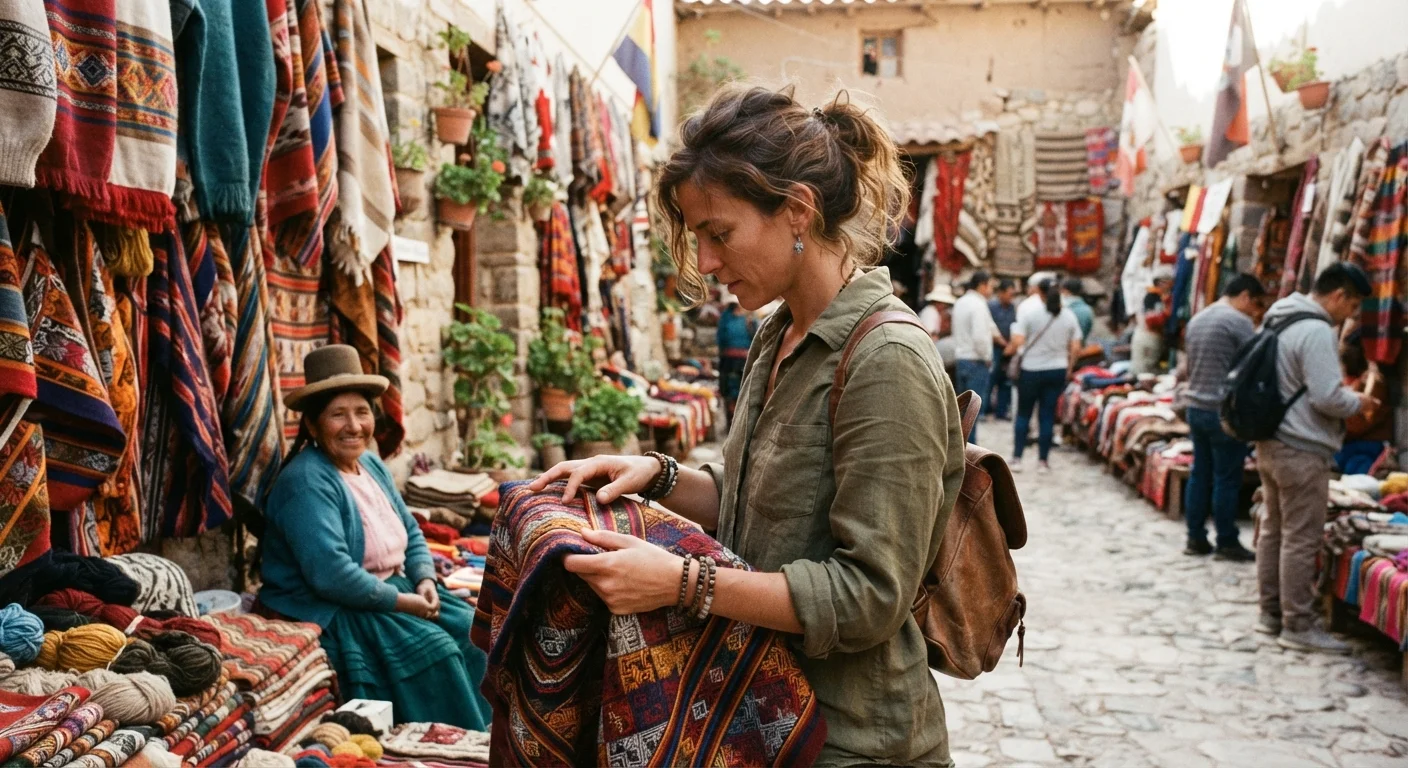
Photo: ArticleHood.com | Precision In Every Word editorial
Key Takeaways
- Anchoring a trip around one cultural interest produces deeper, more memorable experiences than trying to see everything.
- Choosing the right destination means researching where your interest is most authentically and accessibly expressed.
- Building a flexible itinerary around your theme still leaves room for spontaneous discovery.
- Connecting with local practitioners - guides, artists, cooks - adds layers no guidebook can replicate.
- Single-interest travel often leads to unexpected encounters that broaden, rather than narrow, your understanding of a place.
Why a Single Cultural Interest Changes Everything
Most trips are shaped by geography - you go to a city or a country, and then fill the days with whatever seems notable. Single-interest travel inverts this. The interest comes first; the destination follows. The result is a fundamentally different kind of trip: one organized around understanding rather than coverage.
Travelers who follow this approach consistently report that their experiences feel more coherent and more memorable than conventional itineraries. When every element of a trip - where you eat, who you talk to, which neighborhoods you walk through - connects back to a central theme, the days accumulate meaning in a way that a checklist of sights rarely does. It's an approach that suits forms of travel that rarely make the highlight reel - quiet, experiential, and genuinely transformative.
This doesn't mean narrowing your experience. Paradoxically, going deep on one interest tends to open unexpected doors: a ceramics workshop leads to a conversation about local history; a textile market introduces you to an entire regional economy. The theme is a lens, not a fence.
Local Experts Make the Difference
What You'll Need Before You Start
This kind of travel requires a bit more groundwork than booking flights and a hotel. Before diving into the steps below, make sure you have the foundations in place.
What you will need
Destination-specific cultural organizations
Identify festivals, workshops, and local experts tied to your interest in a specific region.
Academic or specialist publications
Provide deeper context and credible background on your cultural theme before you depart.
Local language phrasebook or app
Enables basic conversation with artisans, guides, and hosts who may not speak English fluently.
A travel journal or notes app
Capture observations, contacts, and reflections that will deepen your understanding during the trip.
Verify Entry and Access Requirements
Once you've confirmed you have the basics and verified practical requirements, you're ready to plan. The steps that follow will walk you through shaping a trip that puts your cultural interest at the center - from defining it clearly to engaging with it meaningfully on the ground. For anyone considering a longer journey built around deeper cultural immersion, our overview of extended travel is worth reading alongside this guide.
Step-by-Step: Building Your Thematic Trip
Follow these steps in order. Each one builds on the last, moving from abstract intention to concrete, bookable reality. If you find yourself wanting to evaluate specific immersive experiences along the way, our checklist on what to ask before booking an immersive experience is a useful companion resource.
Define your interest precisely
Broad interests make poor anchors. "Food" is too wide; "the fermentation traditions of coastal Portugal" gives you somewhere to start. Spend time narrowing your theme until it feels specific enough to guide real decisions - which city, which neighborhood, which practitioners to seek out. The more precisely you can articulate what you want to understand, the more effectively you can plan.
Research destinations where your interest runs deep
Not every destination is equally rich for every interest. Look beyond tourist board content to cultural institutions, specialist blogs, documentary films, and academic sources. If you're drawn to traditional weaving, research which regions still have active weaving communities rather than just tourist demonstrations. Our destination guides can provide a grounded starting point for many regions.
Identify key practitioners, venues, and events
Once you've chosen a destination, map the specific people and places connected to your interest: workshops, studios, markets, festivals, museums with working collections, universities with relevant departments. Compile a ranked list - some will require advance booking, others will be walk-in accessible. Check whether any cultural festivals align with your dates, keeping in mind our guide on cultural festivals as a travel lens for what to consider before attending.
Build a thematic itinerary with slack time
Structure your days around your anchors - the confirmed visits, workshops, or events - but leave at least a third of your time unscheduled. Single-interest travel rewards improvisation: a conversation with a local guide leads to an unmarked studio; a market morning turns into a three-hour exchange with a craftsperson. Over-programming kills this. If your time is limited, our piece on planning around a fixed number of days off offers useful framing for tight schedules.
Engage with depth, not just access
Attending a demonstration is not the same as understanding a tradition. Push for participation where possible: take the class, handle the materials, ask practitioners about the pressures their craft faces today. Read context before you arrive so conversations can go somewhere real. Consider whether a guided walk through a city's architectural layers, as discussed in our piece on reading a city on foot, might deepen your grasp of the built environment you're exploring.
Reflect and record as you go
Keep notes - not just photographs - throughout the trip. Single-interest travel accumulates meaning over days, and it's easy to lose early insights as later experiences layer over them. A brief journal entry each evening, noting what surprised you and what questions it opened, will make your trip more coherent and your memories more durable. Be mindful of the tension between capturing and experiencing - some moments are better absorbed than documented.
Avoid Narrowing Your Trip Too Rigidly
The content on this site is for informational purposes only and is not a substitute for professional advice. Always consult a qualified professional for guidance specific to your situation.