
Travel Experiences

Before You Book an 'Immersive' Experience, Ask These Questions

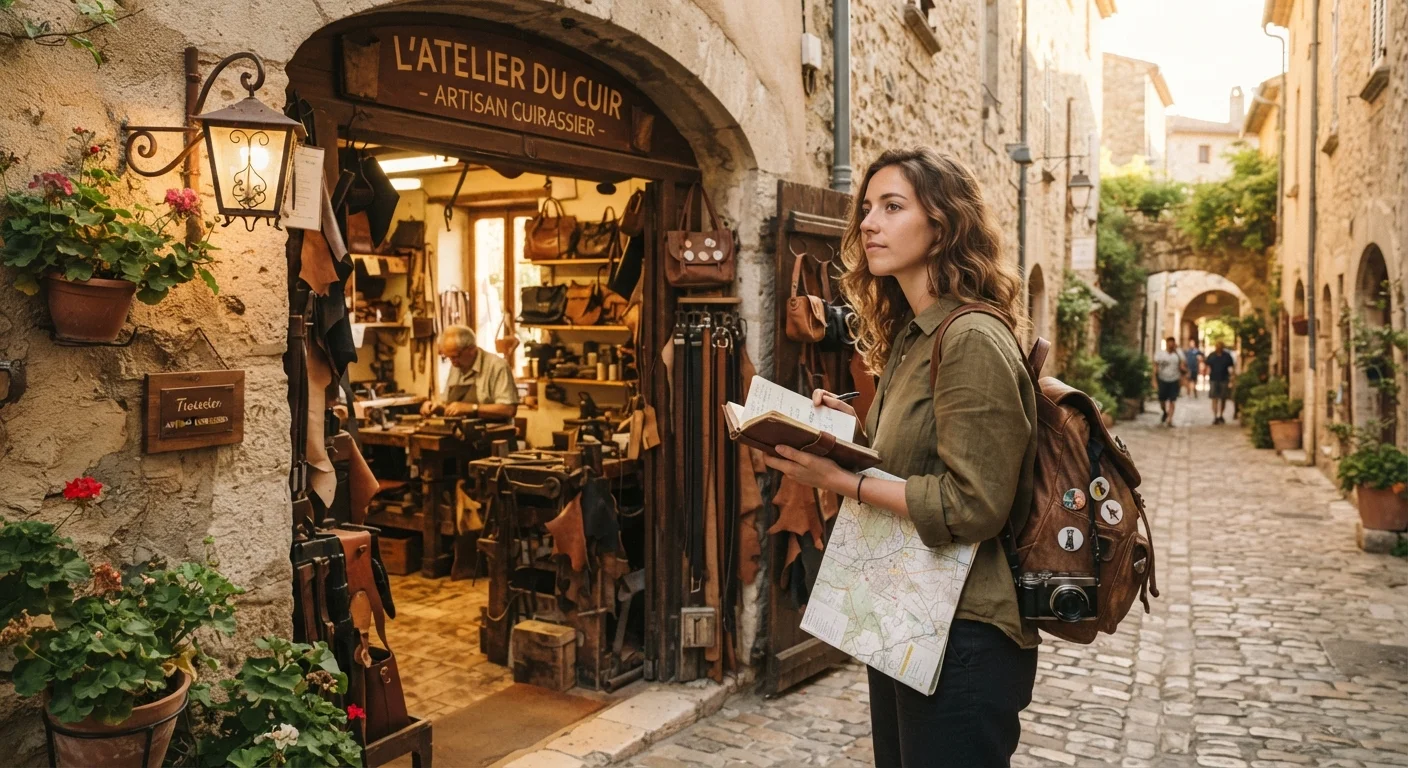
Before You Book an 'Immersive' Experience, Ask These Questions

Photo: ArticleHood.com | Precision In Every Word editorial

Immersive travel experiences vary wildly in depth and integrity. Use this checklist to assess whether one is genuinely worthwhile before you commit.

Key Takeaways

  • The word 'immersive' is marketing language, not a quality guarantee — always look deeper.
  • Who benefits financially from the experience matters as much as the experience itself.
  • Authentic participation is meaningfully different from staged observation for tourists.
  • Small group sizes and local operator involvement are reliable signals of depth.
  • Reading cancellation policies and reviews before booking protects your time and money.

Why 'Immersive' Has Become a Slippery Word

Open almost any travel booking platform or tour brochure and you'll find the word immersive sprinkled liberally across descriptions — attached to everything from a 90-minute cooking demo in a hotel kitchen to a genuine week-long homestay with a farming family in rural Vietnam. The gap between those two experiences is enormous, yet the marketing language can make them sound nearly identical.

That ambiguity costs travelers real money and, more painfully, precious days of a trip they'd been planning for months. The checklist below is designed to cut through the noise. Before you commit to any experience billed as immersive, cultural, or authentic, run it through these questions. The answers will quickly reveal whether you're looking at something genuinely worthwhile — or a polished performance aimed squarely at tourists who won't know the difference.

If you're still deciding between self-directed exploration and structured experiences, our practical comparison of independent travel and guided tours is a useful starting point. And if you're drawn to deeper, less-traveled territory, forms of travel that rarely make the highlight reel covers experiences that are quietly transformative and chronically overlooked.

Assessing the Operator

Verify that the operator is locally based or has deep, documented ties to the community rather than being a third-party reseller with no local presence. Must
Confirm what percentage of your booking fee goes directly to local guides, artisans, or hosts — rather than to an intermediary platform. Must
Look for named individuals behind the experience (a guide, a host family, a craftsperson) rather than only a brand or logo. Should
Check whether the operator has been operating for multiple seasons, which suggests genuine community integration rather than a pop-up venture. Should

Evaluating the Experience Itself

Ask whether participants actively do something — cook, build, harvest, create — or whether they primarily watch while someone else performs for them. Must
Confirm the group size; experiences with more than 12 participants typically offer far less meaningful access and personal interaction. Must
Ask whether the setting is the community's actual working or living space, or a dedicated tourist-facing venue constructed to simulate authenticity. Must
Find out how long the experience runs — anything under 90 minutes rarely allows for genuine depth or spontaneous conversation. Should
Check whether the itinerary has any unstructured time built in, which is where the most meaningful exchanges with locals often happen. Nice to have

Cultural and Ethical Considerations

Research whether community members had meaningful input into how their culture or skills are presented to visitors. Must
Confirm that photography policies reflect the community's preferences, not just what makes for a marketable image. Must
Assess whether the experience acknowledges complexity and nuance in the culture it represents, rather than presenting a simplified, postcard version. Should
Ask the operator whether any portion of revenue supports a community fund, cultural preservation initiative, or local education program. Nice to have

Vetting Reviews and Logistics

Read at least ten independent reviews on platforms not controlled by the operator, looking specifically for comments on depth and honest shortcomings. Must
Verify the cancellation and refund policy in writing — legitimate operators typically offer clear, fair terms. Must
Confirm accessibility details upfront: physical requirements, language of instruction, and any dietary or cultural expectations placed on participants. Should
Ask whether the experience runs regardless of low enrollment or whether it is cancelled if a minimum number of bookings isn't reached. Should
Reach out directly with a specific question before booking — how quickly and thoughtfully they respond often mirrors the quality of the experience itself. Nice to have

How to Use These Questions in Practice

Don't expect operators to volunteer this information upfront — most won't. The goal is to actively seek answers through their website copy, independent reviews, and if possible, a direct message or email before booking. Pay attention not just to what they say, but to how they say it. Vague, aspirational language where you'd expect concrete details is a red flag worth heeding.

Performance vs. Participation: Know the Difference

Many experiences marketed as 'immersive' are fundamentally theatrical — designed to give tourists the feeling of participation without any real exchange. If the community members speak no shared language with visitors, if the 'local home' is only used for tours, or if the schedule never deviates regardless of who shows up, you are likely watching a performance. That can still be enjoyable, but it is worth knowing what you are actually paying for.

A useful cross-reference is our editorial piece on how tour operators describe experiences versus what they actually deliver — it breaks down the specific phrases that most often obscure what's really on offer. If you're building a trip around a single passion — say, textile traditions, regional cuisine, or vernacular architecture — planning a trip around a single cultural interest can help you structure the whole journey with that depth in mind.

Beware of Extractive Tourism Framed as Cultural Exchange

Some experiences profit significantly from communities while returning very little to them. If an operator cannot clearly explain how local participants are compensated, or if the community itself is not involved in how the experience is designed and delivered, the 'cultural' framing may be largely cosmetic. This is worth investigating before booking, not after.

Finally, keep your trip planning fundamentals solid: budget honestly for quality experiences, allow buffer days around immersive programming, and verify cancellation terms in writing before any payment is made.

Travel & Places Editorial Team

ArticleHood.com | Precision In Every Word

Travel & Places Editorial Team is the collective byline for our editorial team and contributor network. Articles published under this byline or an editorial pen name are researched, written, and reviewed according to our editorial standards for clarity, consistency, and independence before publication.

Destination GuidesTrip PlanningTravel Experiences
View author profile

The content on this site is for informational purposes only and is not a substitute for professional advice. Always consult a qualified professional for guidance specific to your situation.