
How Tour Operators Describe Experiences vs. What They Deliver

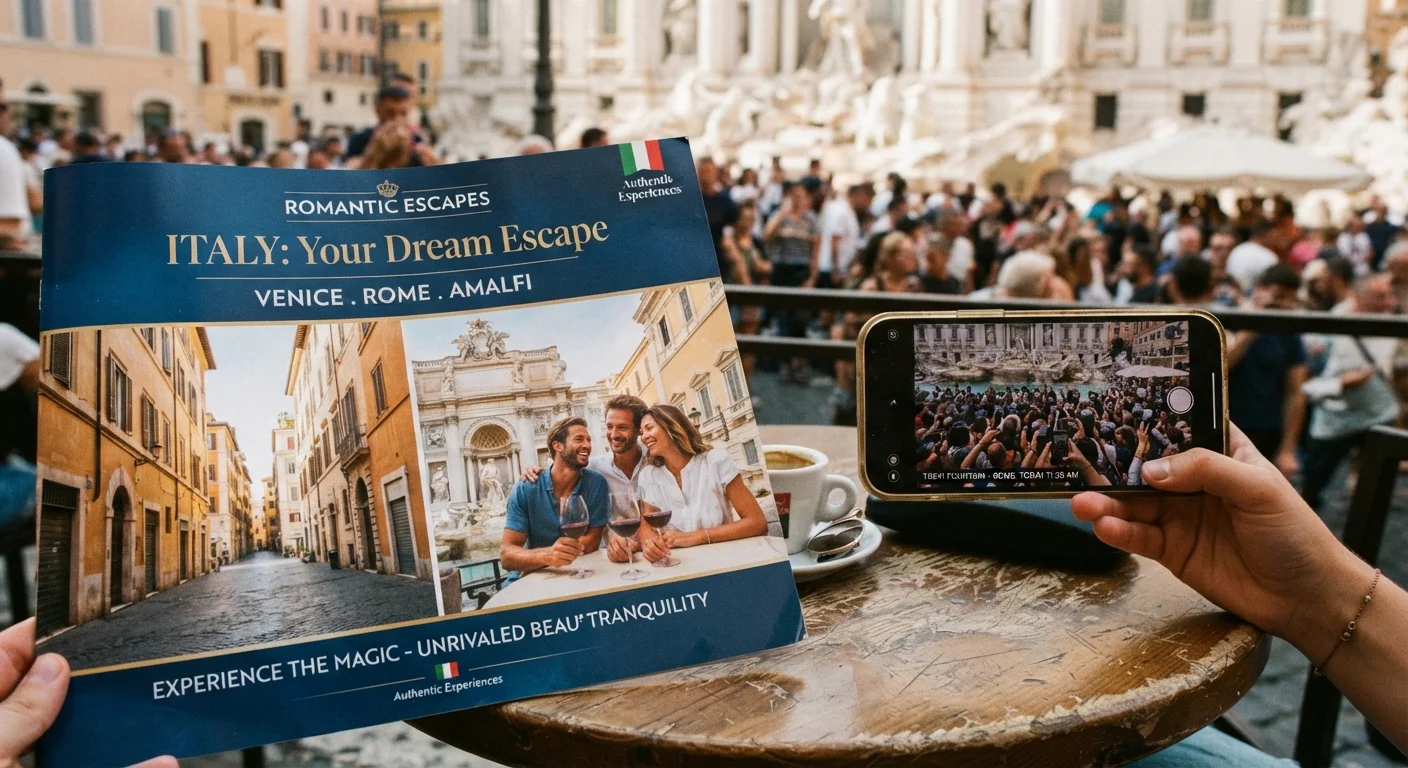
Photo: ArticleHood.com | Precision In Every Word editorial
Key Takeaways
- Marketing language like 'authentic' and 'immersive' carries no standard definition - always probe for specifics.
- Group size, access level, and guide qualifications are rarely disclosed upfront but significantly affect experience quality.
- Reading cancellation terms and verified third-party reviews before booking can prevent costly disappointment.
- The most enriching travel moments often come from experiences that are honestly described, not over-promised.
The Language of Travel Promises
Tour operators are storytellers before they are logistics managers. Their copy is designed to kindle desire - and it works. Words like exclusive, authentic, off-the-beaten-path, and immersive appear so frequently in travel marketing that they've become nearly meaningless, yet they continue to shape what travelers expect when they arrive. The gap between that expectation and lived experience is where disappointment lives.
Understanding how to read promotional language critically isn't cynicism - it's practical wisdom. As our editors often note when exploring what makes an experience genuinely immersive, the right questions asked before booking are worth far more than complaints lodged after. This piece walks through the most common ways tour marketing misleads - and what you can do about it.
Taking 'authentic' at face value without asking what it means in practice.
Assuming 'small group' means an intimate, personalized experience.
Booking based on hero photography without verifying what's actually included.
Ignoring what 'exclusive access' actually excludes.
Overlooking cancellation and amendment terms until something goes wrong.
How to Protect Yourself Before You Book
The good news is that the gap between marketing and reality narrows considerably when travelers do a little homework. Start by treating every superlative as a prompt for a follow-up question. 'Private access' should prompt you to ask: private compared to what, at what time of day, and for how many people? 'Local guide' should lead you to ask about the guide's background, language fluency, and connection to the community.
Curated Testimonials Are Not Unbiased Reviews
Third-party review platforms - particularly where reviewers provide dates and group context - offer far more useful signal than operator-curated testimonials. Look for reviews that describe logistics, crowd levels, and the gap between expectation and delivery, not just sentiment. Our breakdown of booking terms and conditions is worth reading before you commit financially, especially for higher-cost experiences.
Finally, consider whether a guided tour is even the right format. For some destinations and travel styles, independence delivers more depth. Weighing those options honestly is something we explore in our comparison of independent travel versus guided tours. The experiences that stay with travelers longest tend to be the ones that were accurately described - and sometimes the most memorable are the quieter ones that rarely make the highlight reel.
~60%
Travelers who report unmet expectations on tours
A 2023 survey by the tourism research group Phocuswright found that roughly six in ten travelers felt at least one guided experience did not match its description.
3x
More likely to rebook with operators who set accurate expectations
Research from the World Travel & Tourism Council suggests travelers are significantly more likely to return to operators who communicate honestly about limitations and logistics.
The content on this site is for informational purposes only and is not a substitute for professional advice. Always consult a qualified professional for guidance specific to your situation.