
What a Home-Stay Teaches You That a Hotel Never Could

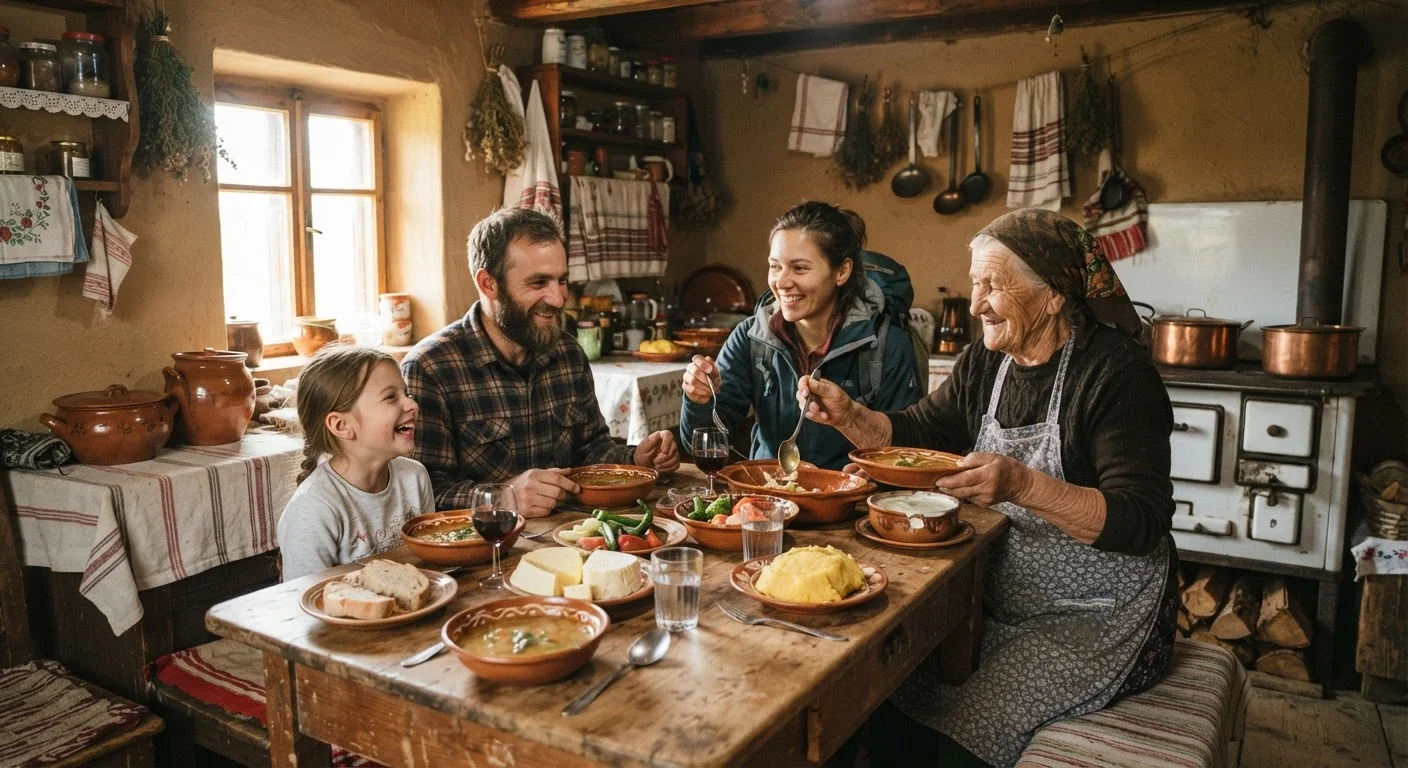
Photo: ArticleHood.com | Precision In Every Word editorial
Key Takeaways
- Home-stays place you inside the rhythms of daily life rather than beside them as a tourist.
- Cultural immersion, language exposure, and genuine connection are the primary draws.
- Privacy, comfort predictability, and personal boundaries require honest consideration before booking.
- Vetting your host and clarifying expectations upfront dramatically shapes the experience.
- Home-stays suit slow travelers more than itinerary-heavy sightseers.
Unscripted access to daily cultural life
You observe and participate in household routines, conversations, and meals that no tour operator can replicate. This kind of intimacy offers context that sightseeing alone rarely provides.
Accelerated language learning through immersion
Constant exposure to natural speech patterns, local slang, and real conversation speeds up language acquisition in ways structured classes cannot match.
Money flows more directly to local households
In many community-based tourism models, home-stay fees go directly to the host family rather than a hotel chain, making your spending more locally impactful.
Genuine human connection across cultures
Shared meals and casual evenings create the conditions for real friendships. Many travelers cite home-stay hosts among the most memorable people they've encountered abroad.
Insider knowledge of neighborhoods and local life
Hosts often share recommendations that aren't in guidebooks - neighborhood markets, family-run restaurants, seasonal events, and places locals actually go.
Limited privacy compared to a hotel room
Shared spaces and proximity to family life mean your ability to decompress alone is genuinely reduced. Introverted travelers may find the constant social presence taxing over time.
Comfort and amenities are unpredictable
Hot water, quiet rooms, reliable wifi, and mattress quality all vary significantly between hosts. Unlike hotels, there's no standardized baseline you can count on.
Mismatched expectations can create friction
Hosts and guests sometimes have different assumptions about meal timing, curfews, or social engagement. Without upfront communication, small misunderstandings can compound.
Not suited to itinerary-heavy or fast-paced trips
Home-stays reward lingering and slowness. Travelers with packed day-by-day schedules may not have the time - or energy - to engage meaningfully with their hosts.
Quality varies widely without robust vetting
Unlike hotel chains with consistent standards, home-stay quality depends entirely on the individual host. Reviews and direct communication are essential, not optional.
What a Home-Stay Actually Is
A home-stay is exactly what it sounds like: you stay in someone's private home, typically as a paying guest, and share living spaces - often meals, common areas, and daily routines - with the host family. Unlike a guesthouse or boutique hotel, a home-stay is built around proximity to real domestic life. You might wake to the smell of a family breakfast being prepared, help hang laundry on a line, or find yourself watching a local evening news broadcast you can barely follow. That's the point.
Home-stays exist in nearly every corner of the world, from farmhouses in rural Japan to family compounds in Morocco to suburban homes in Central America. They're often organized through community tourism programs, language schools, or exchange networks, and they vary enormously in formality. Some hosts run well-organized setups with separate bathrooms and meal schedules; others offer something more spontaneous and improvised. Understanding that spectrum - and where your arrangement falls on it - matters before you arrive. For travelers interested in going deeper than typical tourism, the quietly transformative experiences of immersive stays like these are chronically underappreciated.
What You Gain That a Hotel Simply Cannot Offer
Unscripted access to daily cultural life
You observe and participate in household routines, conversations, and meals that no tour operator can replicate. This kind of intimacy offers context that sightseeing alone rarely provides.
Accelerated language learning through immersion
Constant exposure to natural speech patterns, local slang, and real conversation speeds up language acquisition in ways structured classes cannot match.
Money flows more directly to local households
In many community-based tourism models, home-stay fees go directly to the host family rather than a hotel chain, making your spending more locally impactful.
Genuine human connection across cultures
Shared meals and casual evenings create the conditions for real friendships. Many travelers cite home-stay hosts among the most memorable people they've encountered abroad.
Insider knowledge of neighborhoods and local life
Hosts often share recommendations that aren't in guidebooks - neighborhood markets, family-run restaurants, seasonal events, and places locals actually go.
The most frequently cited reward of a home-stay is cultural access that no curated experience can replicate. When your host family sits you down for dinner and explains why a particular dish is prepared a specific way, or when the teenage daughter translates a neighborhood gossip story at the breakfast table, you're getting an unscripted window into how people actually live. This kind of intimacy accelerates language learning too - immersion in conversational speech, slang, and local rhythm tends to stick in ways classroom practice doesn't.
There's also an economic dimension worth noting. Home-stay fees frequently flow directly to a household rather than to a hospitality corporation. In regions where community-based tourism is intentionally designed, staying with a local family can be a meaningful way to keep travel money within a community. This connects naturally with the spirit of slow travel, where presence and intention matter more than efficiency.
The Trade-Offs You Should Think Through Honestly
Limited privacy compared to a hotel room
Shared spaces and proximity to family life mean your ability to decompress alone is genuinely reduced. Introverted travelers may find the constant social presence taxing over time.
Comfort and amenities are unpredictable
Hot water, quiet rooms, reliable wifi, and mattress quality all vary significantly between hosts. Unlike hotels, there's no standardized baseline you can count on.
Mismatched expectations can create friction
Hosts and guests sometimes have different assumptions about meal timing, curfews, or social engagement. Without upfront communication, small misunderstandings can compound.
Not suited to itinerary-heavy or fast-paced trips
Home-stays reward lingering and slowness. Travelers with packed day-by-day schedules may not have the time - or energy - to engage meaningfully with their hosts.
Quality varies widely without robust vetting
Unlike hotel chains with consistent standards, home-stay quality depends entirely on the individual host. Reviews and direct communication are essential, not optional.
Privacy is the most common adjustment. You're a guest in someone's home, which means noise, schedules, and household rhythms aren't yours to control. An early-rising host, a crying infant, or a shared bathroom with unpredictable hot water are all real possibilities. Travelers who decompress by retreating into solitude may find this genuinely draining rather than charming.
There's also the question of expectation management - on both sides. Hosts vary in how much they engage with guests. Some are warm and conversational; others are reserved or simply busy. Mismatched expectations around meal times, curfews, or house rules can create friction. Researching hosts through verified reviews, asking specific questions before booking, and approaching the stay with flexibility rather than rigid preferences goes a long way toward a positive experience. If you're weighing different kinds of immersive approaches, the comparison between independent and guided travel may help you think through what level of structure suits you.
Safety and Vetting Matter
Preparing for a Home-Stay the Right Way
Good preparation separates a meaningful experience from an awkward one. Start by reading verified accounts from previous guests - specificity matters more than star ratings. Look for details about communication style, cleanliness, and whether the host's description matched reality. If you're joining a language-learning program or a community tourism initiative, ask what vetting process hosts go through.
Before arriving, clarify the basics: what meals are included, what house rules apply, whether wifi is reliable if that matters for your work, and how much shared time is expected versus optional. Come with genuine curiosity and cultural humility. Small gestures - learning a few phrases in the local language, bringing a modest gift from home, or simply expressing appreciation for a meal - tend to open conversations that no amount of planning can manufacture. For travelers drawn to immersive cultural engagement, understanding context and customs before you arrive shapes the experience profoundly.
Finally, consider timing. Home-stays often work better when you're staying somewhere for more than a few nights - they reward slowness. Pairing a home-stay with off-season travel can mean a quieter, more personal dynamic with your hosts as well, since they're not managing a revolving door of guests.
The content on this site is for informational purposes only and is not a substitute for professional advice. Always consult a qualified professional for guidance specific to your situation.