
Slow Travel: What It Actually Means to Stay Instead of Rush

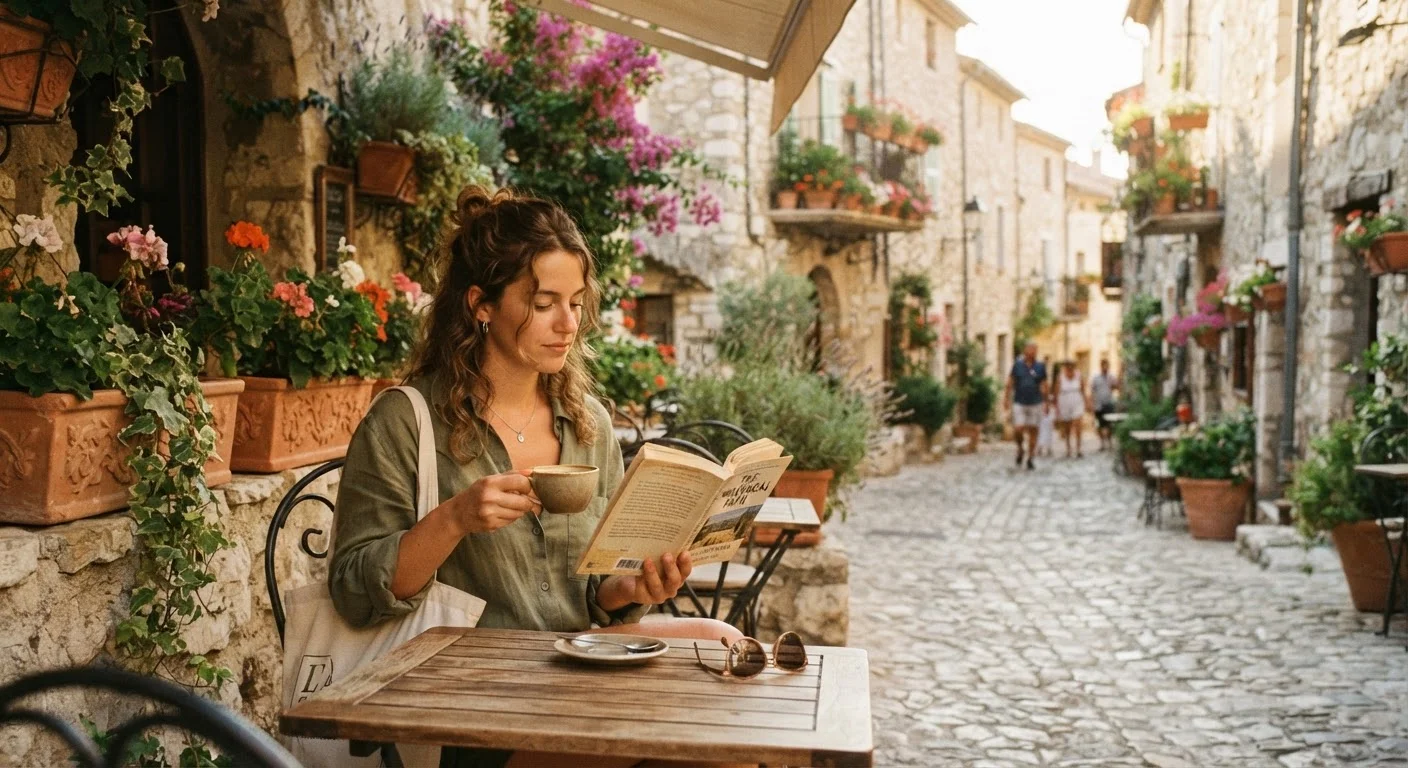
Photo: ArticleHood.com | Precision In Every Word editorial
Key Takeaways
- Slow travel prioritizes depth over breadth - fewer places, longer stays, richer experiences.
- It often costs less than rapid multi-destination trips once you factor in accommodation and transport.
- Slower pacing creates space for spontaneous, unplanned moments that rarely appear on highlight reels.
- It can reduce travel fatigue and the post-trip exhaustion many travelers describe.
- Slow travel pairs naturally with alternative accommodations like home-stays and long-term rentals.
The Problem With Rushing Through Places
Most of us have been there: eight countries in ten days, a carry-on always half-packed, landmarks ticked off before you've had time to absorb them. You arrive home more exhausted than when you left, and weeks later, the memories blur into a montage of airport terminals and selfies in front of famous things.
This is the paradox of conventional tourism - maximum geography, minimum presence. Slow travel is the deliberate answer to that pattern. It doesn't ask you to see less, exactly. It asks you to stay.
When you give a place a week instead of a day, something shifts. The corner bakery starts to feel familiar. You learn that the market only happens on Thursdays. You discover the neighborhood that doesn't appear in any guidebook because it's simply where people live. These are the kinds of experiences that, years later, become the stories you actually tell.
Slow Travel Doesn't Mean Passive Travel
What Slow Travel Looks Like in Practice
Slow travel isn't an aesthetic or a travel style so much as a recalibration of priorities. In practice, it might mean renting an apartment in Lisbon for three weeks rather than breezing through five Portuguese cities. It might mean choosing a train over a flight to move between two places - not only for the lower footprint, but for the view and the time to think.
Accommodation choices tend to shift too. Home-stays and locally-run guesthouses pull travelers further into daily life than hotels typically can. Cooking in a shared kitchen, navigating local grocery stores, or simply sitting on a terrace that isn't curated for visitors - these ordinary moments accumulate into something that feels genuinely different from tourism.
The itinerary also changes shape. Slow travelers often maintain fewer hard commitments, leaving room for the kinds of quietly transformative experiences - a chance conversation, a festival you didn't plan for, an afternoon that takes an entirely unscripted turn.
Start Small: One Place, One Week
Why It Resonates - and What It Costs
Part of slow travel's appeal is simply the relief of decompression. Travel fatigue - sometimes called 'jet lag of the soul' - is a real consequence of moving too fast through unfamiliar environments. Staying put for longer allows the nervous system to settle into a place rather than process it as a series of novelty jolts.
There's a reason slow travel overlaps meaningfully with conversations about mental well-being and stress. When travel isn't a sprint, it becomes a context in which you can actually rest, observe, and occasionally be bored - which, it turns out, is generative rather than wasteful.
That said, slow travel isn't without its trade-offs. You visit fewer places per trip, which matters if a destination is far from home and your annual leave is limited. Choosing when you go can also affect what a slow stay actually feels like - an off-season month in a small town operates very differently from peak summer. And for those considering extended stays, the logistics shift considerably; long-form travel carries its own preparation requirements that go well beyond a standard vacation plan.
72%
Travelers reporting post-trip exhaustion
A widely cited pattern in travel psychology research suggests the majority of vacationers return home feeling they need time to recover - often linked to over-scheduling and constant movement.
30-50%
Potential cost reduction with longer stays
Accommodation platforms and travel economists commonly note that weekly and monthly rentals can run significantly cheaper per night than nightly hotel bookings, with additional savings from self-catering.
How to Start Thinking Differently About a Trip
Shifting toward slow travel doesn't require a dramatic overhaul. It can begin with one decision: choose fewer destinations, then give each one more time. Instead of mapping out every day in advance, leave a third of your schedule open and see what fills it.
Ask different questions when you plan. Rather than what should I see? try what would it feel like to live here, briefly? That reframe tends to change everything downstream - where you stay, what you eat, how you spend mornings.
Slow travel, at its core, is a bet that presence pays better dividends than speed. Not every traveler will find it satisfying - some genuinely want the breadth of many places, and that's a legitimate preference. But for those who've returned from trips feeling oddly empty, it may be worth asking whether the pace itself was the problem.
Frequently Asked Questions
The content on this site is for informational purposes only and is not a substitute for professional advice. Always consult a qualified professional for guidance specific to your situation.