
Solo Travel vs. Group Travel: What Changes When You Plan Alone

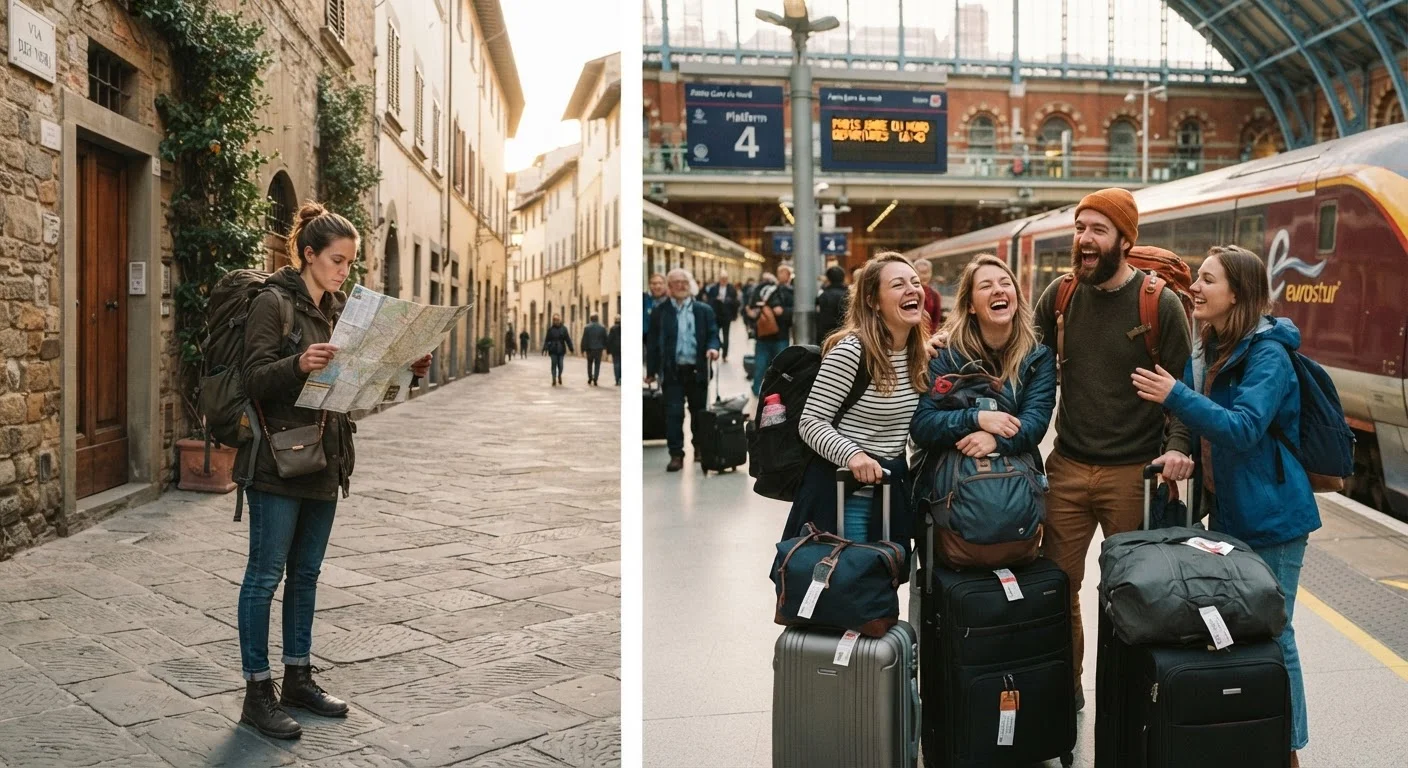
Photo: ArticleHood.com | Precision In Every Word editorial
Key Takeaways
- Solo travel offers maximum flexibility but typically costs more per person than group travel.
- Group trips require upfront consensus on destinations, budgets, and pace - a meaningful coordination challenge.
- Safety considerations differ substantially between solo and group travel, especially in unfamiliar destinations.
- Both approaches suit different traveler personalities, trip lengths, and destinations.
- Neither style is inherently superior - the right choice depends on your goals and comfort level.
How Planning Changes When You're on Your Own
Planning a trip solo is, in one sense, liberating - every decision is yours. You pick the destination, the pace, the budget ceiling, and the style of accommodation without negotiating with anyone. But that autonomy comes with full accountability. There's no one else to catch a missed detail, split the research load, or flag that your connection time between airports is unrealistically short. As our editors note in things travelers consistently underestimate, solo planners tend to absorb those blind spots entirely on their own.
Group planning, by contrast, distributes the cognitive load - but introduces a coordination cost that's easy to underestimate. Aligning four or five people on travel dates, spending comfort, accommodation preferences, and daily ambitions can take weeks of back-and-forth. The more people involved, the more likely the itinerary reflects compromise rather than any one person's ideal trip.
Divide and Conquer for Group Planning
One practical middle ground: assigning specific planning responsibilities to each group member (one person handles flights, another researches accommodation) reduces both overload and conflict.
Budget: The Real Arithmetic of Traveling Alone vs. With Others
The economics of solo travel are straightforward but often sobering. Hotels price rooms per room, not per person - so a solo traveler pays the full rate that two people sharing would split. The same logic applies to taxis, private tours, and rental cars. Over a two-week trip, these single-occupancy premiums add up significantly.
Group travelers can share these fixed costs, which is one of the most tangible financial advantages of traveling together. A private transfer that costs one person $80 costs four people $20 each. That efficiency compounds across accommodation, excursions, and self-catering groceries.
| Solo Travel | Group Travel | |
|---|---|---|
| Planning complexity | Low - one person decides | High - requires group consensus |
| Cost per person | Generally higher (single supplements) | Lower via shared fixed costs |
| Day-to-day flexibility | Very high - change plans freely | Limited - changes need group agreement |
| Safety net | Self-reliant; requires more prep | Informal mutual support system |
| Social experience | Open to chance connections | Pre-formed social dynamic |
| Decision fatigue | All decisions fall on you | Shared, but requires compromise |
That said, group dynamics can also inflate spending. Social pressure to join expensive dinners, upgrade accommodation, or extend a trip can make group travel costlier than planned. Solo travelers, by contrast, set their own spending ceiling and never feel awkward ordering the cheaper option.
Flexibility, Pace, and the Unplanned Detour
One of the most underrated advantages of solo travel is the ability to change plans without consequence. Hear about a village worth visiting from a fellow traveler at a hostel? You can reroute tomorrow. Exhausted after a long travel day? Sleep in without disappointing anyone. This kind of responsiveness to the moment is difficult to replicate in a group, where any change requires buy-in from every stakeholder.
For travelers interested in off-peak timing - already a different kind of planning challenge - solo travel amplifies the rewards. Our overview of off-season travel trade-offs notes that quieter destinations reward slow, exploratory pacing, which solo travelers are better positioned to embrace.
Groups tend to move at the pace of the most hesitant member, which isn't inherently bad - it can slow everyone down enough to actually absorb a place - but it does mean the itinerary becomes a negotiation artifact rather than an organic journey.
Safety, Visibility, and Peace of Mind
Safety is one area where the gap between solo and group travel is most concrete. Traveling with others provides an informal safety net: someone notices if you're unwell, someone can intervene in an uncomfortable situation, and the group's presence itself tends to deter opportunistic petty crime. Solo travelers - particularly in destinations they don't know well - carry a higher individual risk burden.
This doesn't mean solo travel is unsafe, but it does require more deliberate preparation. Sharing your itinerary with someone at home, staying in well-reviewed, communal accommodation where staff and fellow guests are present, and avoiding predictable routines in unfamiliar areas are all practical adjustments. It's also worth comparing solo travel against independent travel versus guided tours - for some destinations, a guided structure offers a useful safety scaffold without giving up full autonomy.
Groups aren't without their own vulnerabilities - larger parties can be conspicuous, and disagreements in high-stress travel moments can create their own friction. But the baseline of mutual awareness that traveling with others provides is genuinely meaningful, especially in unfamiliar destinations.
Social Experience and Personal Growth
Beyond logistics, the two styles create fundamentally different emotional experiences. Solo travel tends to be more introspective and socially open in unexpected ways - when you're not embedded in a pre-existing social group, you're far more likely to talk to strangers, join a table at a hostel, or accept an invitation from someone you've just met. Many seasoned solo travelers describe it as the most connective form of travel they've experienced, precisely because self-reliance forces engagement with the world around you.
Group travel offers a different kind of richness: shared reference points, collective memory-making, and the particular pleasure of experiencing something extraordinary alongside people you care about. A sunrise at a volcanic crater lands differently when you can turn to someone you love and say nothing at all.
For those considering extended travel - where both dynamics play out over longer timescales - our overview of long-form trips explores how sustained solo and group dynamics evolve well beyond the first week.
In the end, experienced travelers often cycle between both styles, matching the format to the trip rather than committing to one identity. The question worth asking before you book isn't just where you want to go, but how you want to feel when you get there.
The content on this site is for informational purposes only and is not a substitute for professional advice. Always consult a qualified professional for guidance specific to your situation.