
Volunteering Abroad Without Doing More Harm Than Good

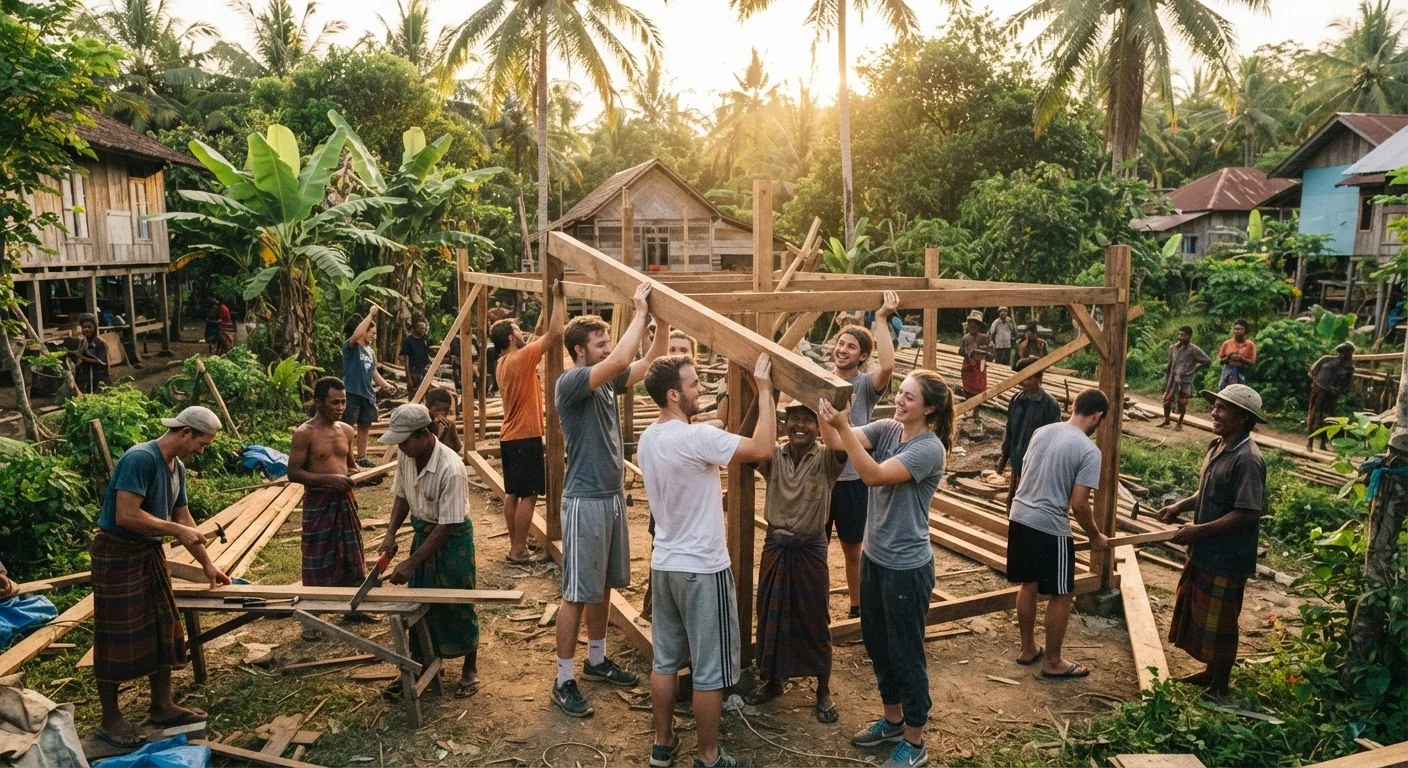
Photo: ArticleHood.com | Precision In Every Word editorial
Key Takeaways
- Well-intentioned volunteer programs can cause real harm if poorly designed or mismatched to community needs.
- The most ethical programs are community-led, skills-matched, and transparent about how funds are used.
- Short-term volunteering with children or in orphanages is widely considered harmful by child welfare experts.
- Doing your research before committing - not after arriving - is the most important step you can take.
- Volunteering abroad works best as an extension of long-term community relationships, not a one-off experience.
The Good Intentions Gap
Every year, millions of travelers book international volunteer programs hoping to contribute something meaningful to the world. The impulse is genuine - and that's precisely what makes this topic worth examining carefully. Good intentions, without thoughtful execution, can quietly undermine the very communities volunteers want to support.
The term voluntourism - a blend of volunteering and tourism - describes the industry that has grown up around this impulse. At its best, it connects skilled volunteers to genuine needs. At its worst, it channels money toward organizations that exploit both travelers and local populations, prioritizing feel-good experiences over lasting impact.
If you're considering volunteering abroad, the most useful shift in mindset is this: stop asking "what can I give?" and start asking "what does this community actually need - and am I the right person to provide it?" That question, honestly answered, is where ethical volunteering begins. For travelers interested in going deeper than surface-level tourism, see our guide to home-stays for another way to build genuine connection.
Best Practices for Choosing a Program
Not all volunteer organizations operate with the same standards. Researching thoroughly before committing - rather than after arriving in-country - is the single most protective step you can take.
Match your skills to the program's actual needs
Research the organization's transparency and accountability
Prioritize community-led programs over externally designed ones
Commit to a meaningful duration
Avoid programs that involve direct care of children or orphanage placements
What to Avoid - and Why It Matters
A Note on Orphanage Volunteering
One of the most well-documented concerns in the sector involves volunteering with children, particularly in orphanages. Child welfare researchers and organizations including UNICEF have raised serious concerns that orphanage tourism can incentivize family separation, sometimes keeping children in institutions when they could live safely with relatives - because the presence of children attracts donor funding and volunteer fees.
Similarly, unskilled volunteers taking on construction, medical, or teaching roles that require training can create safety risks or deliver poor-quality outcomes that locals must later repair or undo. A building constructed incorrectly doesn't become safer because it was built with enthusiasm.
The long-form travel overview touches on how extended stays abroad require a fundamentally different mindset - the same applies to volunteering. Depth of engagement almost always produces better outcomes than breadth.
Preparing Yourself Before You Go
1.6M
Volunteer tourists traveling annually
Estimates suggest roughly 1.6 million people participate in volunteer tourism each year, generating an industry valued in the billions - yet program quality and impact vary enormously.
~80%
Children in orphanages with a living parent
UNICEF and partner organizations have estimated that a large majority of children living in residential care institutions globally have at least one living parent, raising serious questions about institutional volunteering.
Beyond choosing the right organization, how you prepare personally shapes the experience. Language skills, cultural knowledge, and health readiness all matter. If your program involves extended time in a region with specific health considerations, consult a travel medicine professional well in advance - requirements vary significantly by destination, and some vaccinations require weeks to take effect. For general guidance on maintaining your health before travel, the preventive care hub offers a useful starting point, though a qualified healthcare provider should advise on your specific itinerary and circumstances.
Coming in with realistic expectations also matters. Volunteering abroad rarely looks like the promotional photos. It involves bureaucracy, miscommunication, days when you feel more like a burden than a resource, and the humbling realization that locals were managing just fine before you arrived. That friction, when approached with openness, is often where the most meaningful learning happens.
“The most important thing a volunteer can bring is humility - the willingness to listen more than they speak, and to accept that the community's definition of need may be very different from their own.”
— Daniela Papi-Thornton, Social enterprise educator and author focused on ethical international development practice
The content on this site is for informational purposes only and is not a substitute for professional advice. Always consult a qualified professional for guidance specific to your situation.