
Tyre Pressure and Why It Changes More Than You Think

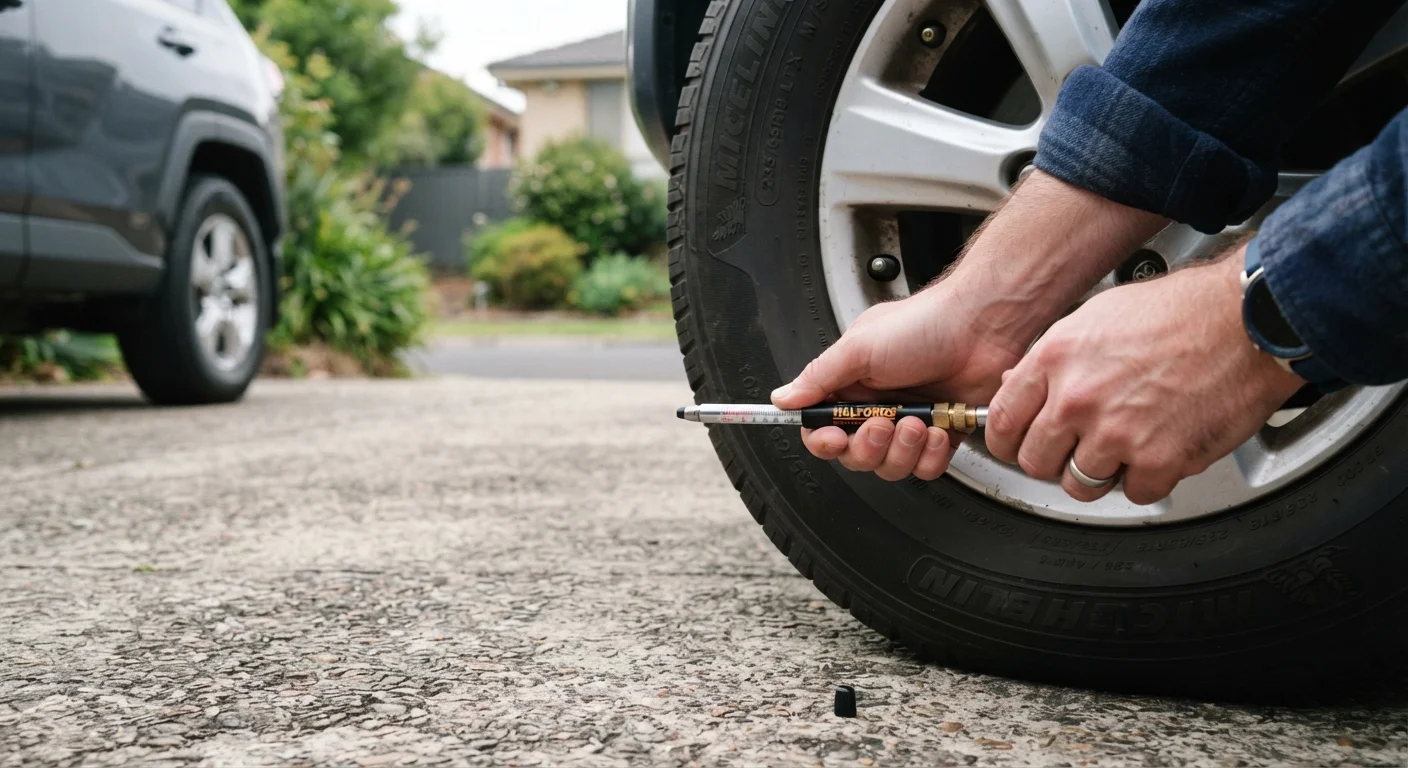
Photo: ArticleHood.com | Precision In Every Word editorial
Key Takeaways
- Tyre pressure drops roughly 1 PSI for every 10°F decrease in outside temperature.
- Always check pressure when tyres are cold - before driving or after sitting for at least three hours.
- The correct PSI is on your door jamb sticker, not on the tyre sidewall.
- Both under- and over-inflation cause uneven wear, reduced handling, and lower fuel efficiency.
- Most tyres lose 1-2 PSI per month through normal permeation, even without a puncture.
Why Pressure Doesn't Stay Put
A lot of drivers assume that once a tyre is inflated, it stays that way until something goes wrong. In reality, tyre pressure is constantly moving. Two forces account for most of the change: temperature and natural permeation.
Temperature is the biggest driver. Air expands when it's warm and contracts when it's cold. The general rule of thumb, widely cited by tyre and vehicle manufacturers, is that pressure shifts approximately 1 PSI for every 10°F change in temperature. That means a 30-degree overnight drop - common in fall and winter across much of the US - can pull 3 PSI out of your tyres without a single leak.
Permeation is the slow, invisible culprit. Even a perfectly sealed tyre loses air gradually as molecules work their way through the rubber. Most tyres shed 1-2 PSI per month this way. Over three or four months without a check, that adds up to a meaningful drop - enough to affect handling and wear.
Temperature Changes Are Normal, Not a Defect
Neither of these causes is a defect or a sign of damage. They're normal physics. The practical takeaway: tyre pressure needs routine attention the same way engine oil does.
Reading the Right Number - and Where to Find It
One of the most common tyre mistakes drivers make is inflating to the number printed on the tyre sidewall. That number - usually labeled Max. Press. - is the structural maximum the tyre can handle, not the target for everyday driving. Running at that level typically overinflates the tyre, hardens the ride, and causes the centre tread to wear faster than the edges.
The number you actually want is on your vehicle's door jamb sticker - usually on the driver's side - or in the owner's manual. This is the cold inflation pressure the manufacturer recommends for your specific vehicle weight and suspension setup. Front and rear tyres sometimes require different pressures, so check both.
Use a Gauge You Trust
For the most accurate reading, use a quality digital or stick-type gauge rather than the free air station gauges at gas stations, which often aren't calibrated. Keep a gauge in your glove box so checking pressure is never a production.
What Under- and Over-Inflation Actually Do
Both extremes cause real problems, and the damage is cumulative.
Under-inflated tyres flex more with each rotation. That extra flex generates heat - the primary enemy of tyre integrity. The tread wears heavily on the outer edges while the center stays relatively untouched. Handling gets sluggish, braking distances increase, and fuel economy drops because the engine works harder to move a tyre that's effectively dragging. The US Department of Energy has noted that properly inflated tyres can improve gas mileage by a meaningful margin compared to under-inflated ones, though exact figures vary by vehicle and conditions.
Over-inflated tyres are too rigid. The contact patch - the portion of the tread actually touching the road - shrinks, which reduces grip. The centre of the tread bears the brunt of wear instead of the edges. Over-inflated tyres also transmit more road shock into the suspension, which isn't great for the ride or the components.
1 PSI
Pressure lost per 10°F temperature drop
This relationship between air temperature and tyre pressure is a standard reference point cited by tyre manufacturers and vehicle safety organizations.
1-2 PSI
Monthly pressure loss through normal permeation
Even sealed tyres lose air gradually through the rubber, making monthly checks necessary regardless of whether a puncture has occurred.
25%
Below recommended PSI when TPMS light triggers
TPMS warning systems in the US are federally required to alert drivers when pressure falls about 25% below the vehicle manufacturer's recommended level.
Keeping pressure in the right range protects your tyres, your fuel budget, and your safety margin. It also connects directly to the broader picture of costs that quietly add up over time - premature tyre replacement is one of the more avoidable ones.
Seasonal Pressure Checks: Making It a Habit
The most practical approach is to tie tyre pressure checks to events you already do regularly: once a month when you fill up with gas, and every time the season changes. Seasonal vehicle maintenance is worth treating as a real checklist rather than a vague intention, and tyre pressure is one of the quickest items to tick off.
Before long drives, add a pressure check to your routine - it's a central part of a solid pre-trip vehicle inspection. A tyre that's marginal around town can become a problem at highway speeds over several hours in summer heat.
If your vehicle has a Tyre Pressure Monitoring System (TPMS), don't treat the warning light as your only prompt. TPMS lights typically trigger at around 25% below the recommended pressure - which is already low enough to affect wear and handling. Use the light as a backup warning, not the primary check.
A few minutes with a gauge each month is one of the lowest-effort, highest-return maintenance habits a driver can build. It costs nothing, extends tyre life, and keeps you safer on the road.
Frequently Asked Questions
The content on this site is for informational purposes only and is not a substitute for professional advice. Always consult a qualified professional for guidance specific to your situation.