
Defensive Driving: What It Actually Means and Why It Matters

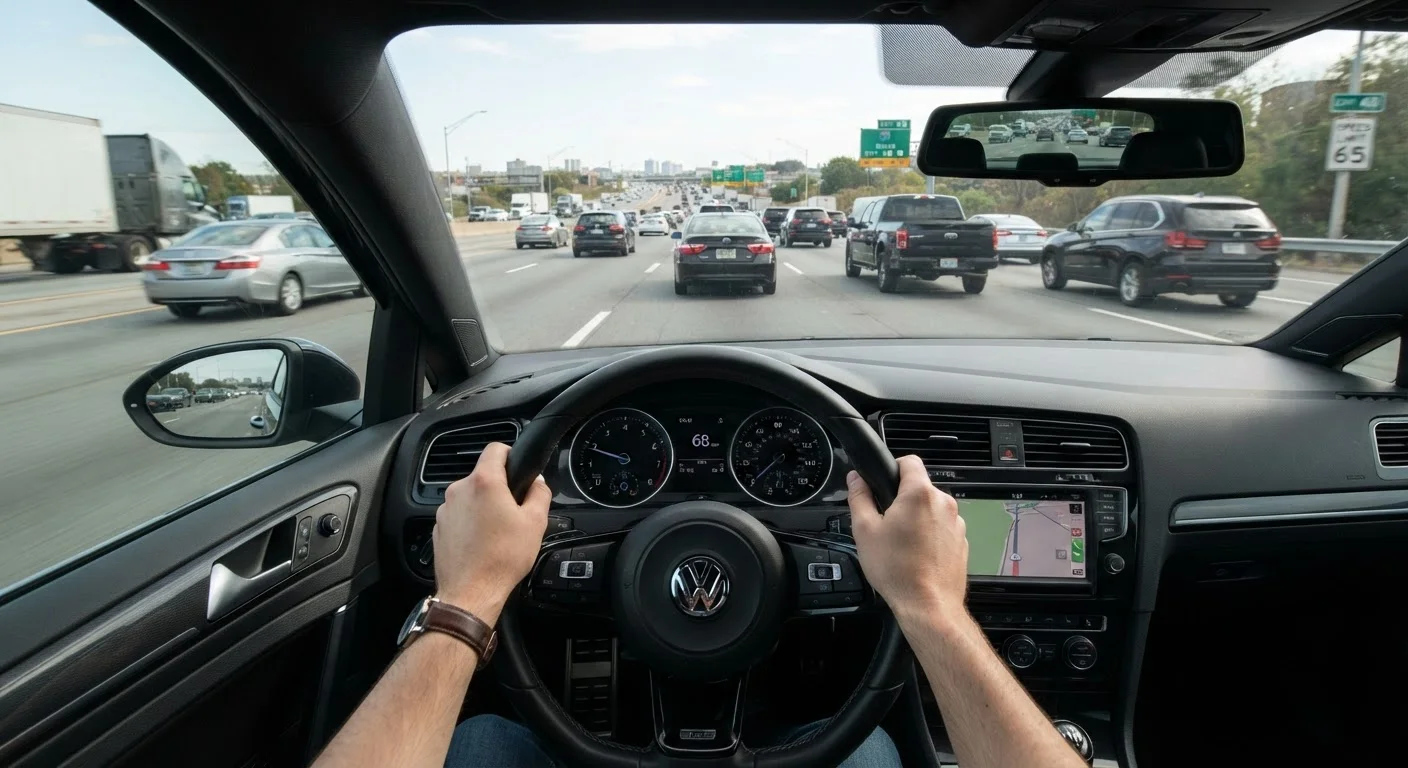
Photo: ArticleHood.com | Precision In Every Word editorial
Key Takeaways
- Defensive driving focuses on anticipation, not just reaction.
- Maintaining a safe following distance is one of the most effective tools available.
- Scanning ahead 10-15 seconds gives your brain time to process and respond.
- Emotional composure behind the wheel is a core part of defensive driving.
- Defensive habits reduce crash risk for drivers of all experience levels.
Beyond Staying Alert: What Defensive Driving Really Is
Most drivers think of defensive driving as simply "being careful" or keeping their eyes on the road. That's part of it - but the concept runs deeper. Defensive driving is a systematic approach to managing risk. It means treating every trip as an exercise in anticipating problems before they arrive, not scrambling to react after they've already unfolded.
The core mindset shift is this: you can't control what other drivers do, but you can control how much time and space you give yourself to respond. A defensive driver builds those buffers deliberately. That might mean backing off from a driver who's drifting between lanes, leaving extra room at a red light, or slowing down before cresting a hill even when the road looks clear.
This is fundamentally different from passive or reactive driving. Reactive driving waits for a problem. Defensive driving looks for the conditions that tend to produce problems - and adjusts before anything goes wrong.
Start With One Habit at a Time
The Core Principles That Make It Work
Defensive driving rests on a few practical pillars that work together:
- Maintain a safe following distance. The widely recommended starting point is a 3-second gap between your vehicle and the one ahead. In wet, icy, or high-speed conditions, that buffer should extend to 4-6 seconds. Tailgating removes the time you need to brake.
- Scan ahead, not just immediately in front of you. Experienced drivers train their eyes to look 10-15 seconds down the road - roughly a block in city traffic, or about a quarter mile at highway speeds. This gives your brain time to process what's coming and make smooth adjustments rather than sudden ones.
- Expect the unexpected. Treat every intersection as potentially dangerous, even on a green. Watch for pedestrians, cyclists, and merging vehicles that may not have seen you.
- Manage your speed to the conditions. Posted speed limits reflect ideal conditions. Rain, fog, heavy traffic, or unfamiliar roads often call for a lower speed than what's legally permitted.
These principles apply equally whether you're navigating rush-hour city streets or a fast-moving freeway. How those principles translate differs by environment, but the underlying logic doesn't change.
94%
Crashes linked to human behavior
According to the National Highway Traffic Safety Administration (NHTSA), roughly 94% of serious crashes involve a human choice or error as a contributing factor.
3 sec
Minimum recommended following gap
Traffic safety organizations including the National Safety Council recommend a minimum 3-second following distance under normal driving conditions.
10-15 sec
Ideal forward scanning distance
Driver training programs commonly advise scanning 10-15 seconds ahead - giving drivers time to identify and respond to developing hazards smoothly.
The Role of Emotional Composure
Defensive driving isn't only about what your eyes and hands do - it's also about your mental state. Frustration, impatience, and stress narrow your focus and push you toward decisions that shorten your safety margins: following closer, accelerating through yellows, or escalating a tense interaction with another driver.
Staying emotionally regulated behind the wheel is a skill, not just a personality trait. If you notice you're driving aggressively or feeling provoked, recognizing that in the moment is the first step toward de-escalating. Understanding what triggers road rage - and how to keep it from shaping your driving decisions - is a direct extension of the defensive driving mindset.
Physical state matters too. Fatigue in particular is a serious hazard. A drowsy driver loses the scanning awareness and reaction speed that defensive driving depends on. Recognizing the early signs of driver fatigue is worth understanding before you find yourself in that situation.
Defensive Driving Courses Are Widely Available
Building Defensive Habits That Last
Defensive driving isn't a single decision - it's a collection of habits practiced consistently until they become automatic. The good news is that even small adjustments compound over time. Drivers who build these habits early tend to carry them through decades of driving with fewer incidents and lower overall stress behind the wheel.
Some habits are easy to start immediately: checking mirrors every 5-8 seconds, signaling earlier than feels strictly necessary, and positioning your vehicle to give yourself an escape route in heavy traffic. Others take deliberate practice, like learning to scan intersections before committing to a turn or resisting the urge to speed up when you're running late.
For a practical look at building these habits from the ground up, our guide to safe driving habits worth building early covers the behaviors that consistently distinguish low-risk drivers. And if you want a broader view of how defensive techniques fit into overall road safety, our complete road safety guide is a thorough starting point.
Frequently Asked Questions
The content on this site is for informational purposes only and is not a substitute for professional advice. Always consult a qualified professional for guidance specific to your situation.