
Fatigue Behind the Wheel: Recognising the Warning Signs Before It's Too Late

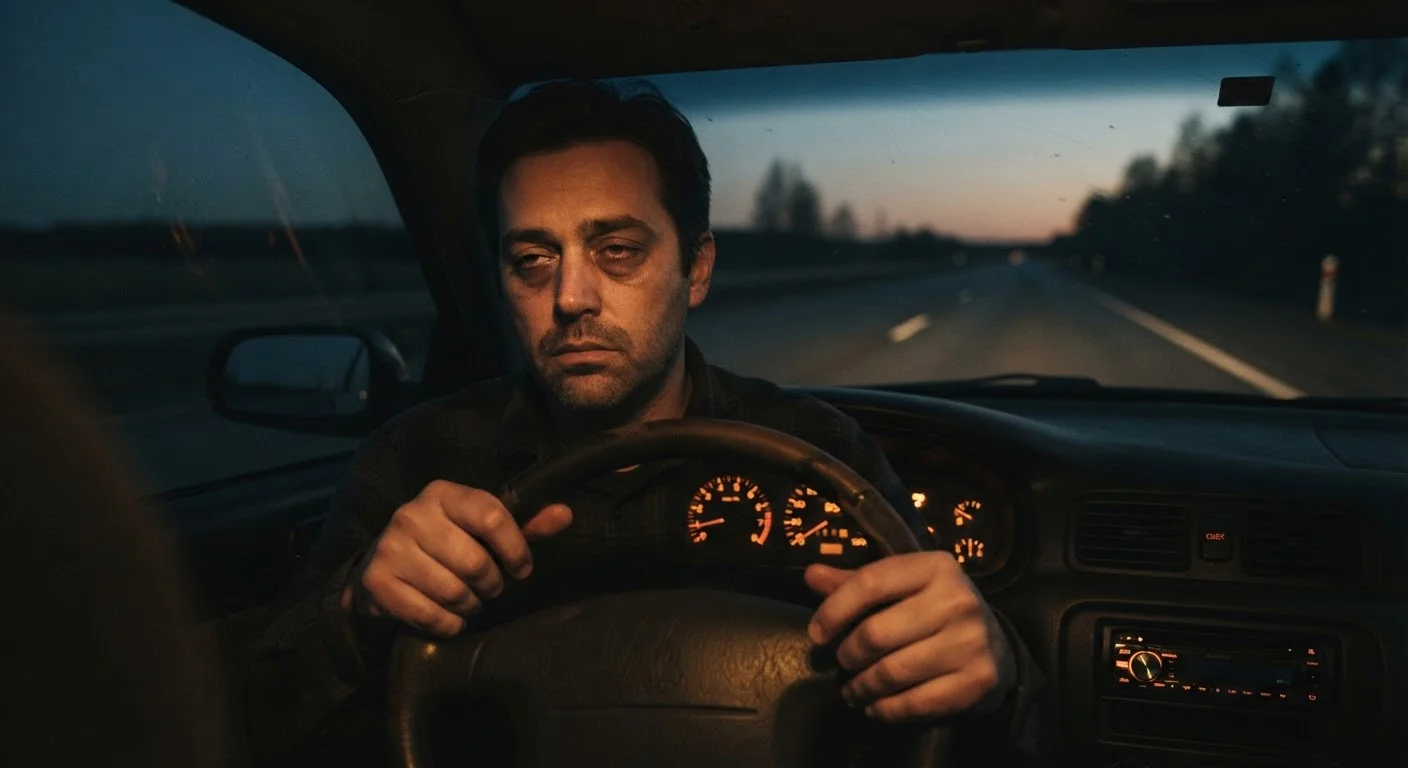
Photo: ArticleHood.com | Precision In Every Word editorial
Key Takeaways
- Drowsy driving impairs reaction time and judgment at levels comparable to alcohol intoxication.
- Many drivers don't recognise fatigue until they're already dangerously impaired.
- Caffeine and opening windows are not reliable substitutes for stopping and resting.
- Long monotonous stretches of highway accelerate the onset of fatigue significantly.
- Planning rest stops before you feel tired is one of the most effective prevention strategies.
Why Drowsy Driving Is More Dangerous Than It Feels
Fatigue is one of the most underestimated hazards on US roads. Unlike a flat tyre or a check-engine light, it doesn't announce itself with a clear signal - it erodes your ability to drive safely quietly, and often without your full awareness. That's what makes it particularly dangerous.
When you're sleep-deprived, your brain begins experiencing microsleeps - involuntary episodes of sleep lasting between one and several seconds. At 60 mph, even a two-second lapse means your vehicle travels roughly 175 feet with no conscious driver in control. The result can be a lane departure, a rear-end collision, or worse, with no braking or evasive action at all.
Fatigue also affects the same cognitive functions as alcohol: sustained attention, reaction speed, hazard perception, and decision-making. This puts it in the same category as phone use at the wheel - a risk many drivers significantly underestimate.
1 in 25
Adult drivers who report falling asleep at the wheel in the past 30 days
According to the CDC's drowsy driving data, this figure rises among adults who sleep fewer than six hours per night.
~100,000
Police-reported drowsy driving crashes per year in the US
NHTSA estimates these crashes result in roughly 1,550 deaths and 71,000 injuries annually, though experts believe underreporting means the true numbers are higher.
2-6 AM
Highest-risk window for fatigue-related crashes
The body's circadian rhythm causes a natural dip in alertness in the early morning hours, even for people who have slept.
Building awareness of the warning signs is the first step. What follows are the most common mistakes drivers make when fatigue is a factor - and how to avoid each one.
Common Mistakes Drivers Make When Fatigue Sets In
Dismissing early warning signs as minor or temporary.
Relying on caffeine to offset serious sleep debt.
Starting a long drive at a time that conflicts with your body clock.
Driving alone on long, monotonous routes without breaks.
Underestimating how much overnight or shift work raises crash risk.
Fatigue Is a Medical Impairment, Not Just Tiredness
Alongside these individual mistakes, it helps to think about fatigue as part of your broader driving preparation. Just as safe driving habits compound over time, so does the habit of protecting your sleep before a journey. Drivers who treat rest as non-negotiable - not optional - make better decisions at every stage of a trip.
It's also worth noting that fatigue interacts badly with other night-driving risks. If you're heading out after dark, the combination of reduced visibility and tiredness creates compounding risk. Our guide to night driving and the visibility gap covers the additional adjustments worth making after sunset.
Common 'Fixes' That Don't Actually Work
If you're a frequent long-haul driver or regularly travel for work, consider incorporating defensive driving principles into your approach - anticipating hazards earlier gives a fatigued driver slightly more margin, though it is never a substitute for proper rest.
The content on this site is for informational purposes only and is not a substitute for professional advice. Always consult a qualified professional for guidance specific to your situation.