
Road Rage: Where It Comes From and How to Keep It from Affecting Your Driving

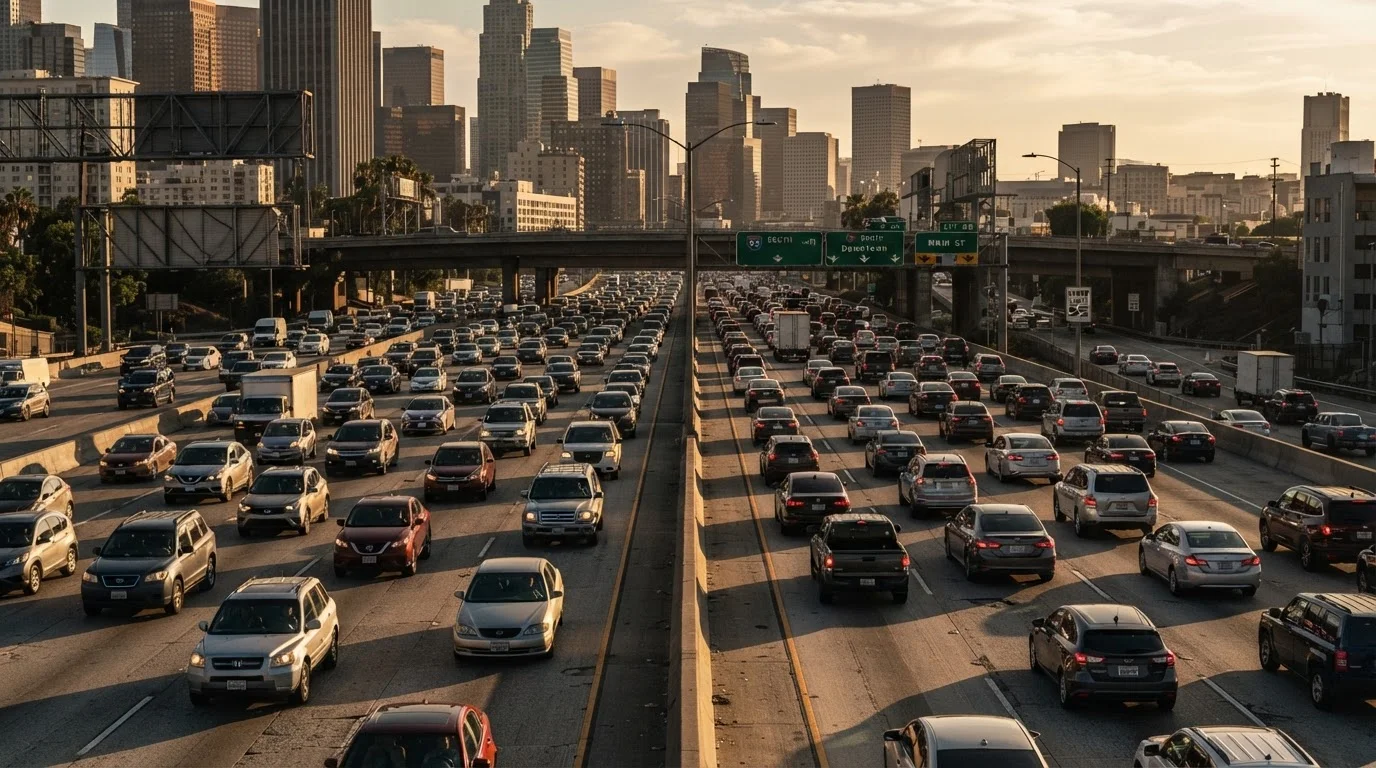
Photo: ArticleHood.com | Precision In Every Word editorial
Key Takeaways
- Road rage is a recognized traffic safety problem linked to thousands of crashes and confrontations annually in the US.
- It stems from a mix of stress, anonymity, and the perception that other drivers are acting deliberately against you.
- Aggressive driving behaviors like tailgating and sudden lane changes are both causes and symptoms of road rage.
- Simple strategies - from managing your departure time to controlling your breathing - can meaningfully reduce in-car anger.
- If another driver is acting aggressively toward you, disengaging is always the safest response.
Why Driving Brings Out Anger in So Many People
There's something about being behind the wheel that makes ordinary frustration feel personal. A driver who cuts you off isn't just making a traffic mistake - your brain registers it as a direct challenge. Psychologists point to a few reasons why driving is such fertile ground for anger.
First, there's the anonymity effect. Inside a vehicle, drivers are separated from each other in a way that reduces normal social inhibitions. You're less likely to yell at someone who bumps into you on a sidewalk than you are to lean on your horn at a stranger in traffic.
Second, driving involves a strong sense of personal space and control. When another driver violates that - by following too closely, merging aggressively, or failing to signal - it can feel like a territorial intrusion. The stress of commuting compounds this: people are often already running late, tired, or distracted before a single frustrating moment occurs.
Third, driving requires sustained attention in an environment full of unpredictable variables. That cognitive load, sustained over a long commute, depletes patience. Small triggers that wouldn't register on a calm day become significant irritants after 40 minutes of stop-and-go traffic.
“Driving is one of the few activities where we're surrounded by strangers operating potentially lethal machinery, under time pressure, with little ability to communicate. It's almost designed to generate conflict.”
— Leon James, Professor of Psychology, University of Hawaii, and researcher on aggressive driving behavior
What Road Rage Actually Looks Like
Road rage exists on a spectrum. On the milder end, it includes excessive horn use, flashing lights, or shouting inside your own vehicle. Further along that spectrum are behaviors that directly endanger other drivers: deliberate tailgating, cutting someone off as retaliation, blocking a vehicle from merging, or aggressive gesturing.
At its most serious, road rage involves a driver exiting their vehicle to confront another motorist, or using their vehicle as a weapon. The AAA Foundation for Traffic Safety has tracked thousands of road rage incidents in the US, noting that a significant portion involve firearms. These are not rare outlier events - they are a documented pattern on American roads.
It's worth separating road rage from aggressive driving more broadly. Aggressive driving - speeding, weaving through lanes, tailgating - often occurs without emotional intent. Road rage adds the element of deliberate aggression toward another person. The two frequently overlap, but they're not the same thing.
80%
Drivers who reported anger or aggression behind the wheel
According to the AAA Foundation for Traffic Safety, approximately 80% of drivers in a major survey admitted to significant anger, aggression, or road rage while driving in the prior year.
Half
Aggressive drivers who are responded to aggressively
The AAA Foundation found that roughly half of drivers who are on the receiving end of aggressive behavior respond with aggression themselves, escalating rather than defusing the situation.
30+
Deaths linked to road rage per year (reported incidents)
Everytown Research and the Gun Violence Archive have documented dozens of road rage-related shooting deaths annually in the US, a figure that has risen alongside firearm prevalence in vehicles.
Practical Ways to Keep Your Temper in Check
Managing road rage starts before you turn the key. Giving yourself extra time is one of the most underrated tools - running late dramatically increases the emotional stakes of every minor delay. A traffic backup feels very different when you have a buffer versus when you're already five minutes behind.
Build a Buffer Into Your Commute
In the moment, a few habits can help:
- Reframe other drivers' behavior. Most traffic mistakes are not personal. The driver who cut you off probably didn't even notice you - they're not targeting you specifically.
- Avoid eye contact with an aggressive driver. Making eye contact can be read as a challenge and escalate a tense situation.
- Use your breathing. Slow, deliberate exhales activate the parasympathetic nervous system, which counteracts the stress response. It sounds simple because it is.
- Turn off the horn reflex. The horn is a safety device, not a feedback tool. Overusing it keeps you in an agitated state.
For drivers who find road anger is a recurring problem, it may be worth reflecting on what's happening off the road as well. Chronic stress, poor sleep, and unresolved anxiety all lower the threshold for frustration while driving. Addressing those root causes tends to have downstream effects on how you handle traffic.
Adopting a broader mindset of defensive driving also helps - anticipating problems rather than reacting to them puts you in a more deliberate, controlled headspace on the road.
When You're the Target: How to Respond Safely
If another driver is directing aggression at you, the instinct to respond is natural - but acting on it rarely ends well. The safest, most effective response is consistent: disengage.
That means not matching their speed if they're following closely, not making retaliatory gestures, and not letting the interaction pull your focus away from the road. Attempting to "out-drive" an aggressive driver by speeding up or blocking them is how situations escalate into crashes or physical confrontations.
If you feel genuinely threatened - a driver is following you, driving alongside and gesturing, or has exited their vehicle - treat it as a safety emergency. Keep moving if it's safe to do so, head toward a busy public area or a police station, and call 911. Do not pull into a quiet parking lot or your own driveway if you believe you're being followed.
Understanding road rage also means recognizing it in yourself early enough to course-correct. The broader picture of road safety is one where every driver - including you - plays a role in keeping interactions calm and predictable. Frustration is inevitable. Acting on it dangerously is not.
High-Stress Routes Amplify the Risk
Frequently Asked Questions
The content on this site is for informational purposes only and is not a substitute for professional advice. Always consult a qualified professional for guidance specific to your situation.