
Vehicle Ownership

What to Verify Before Buying a Used Car from a Private Seller

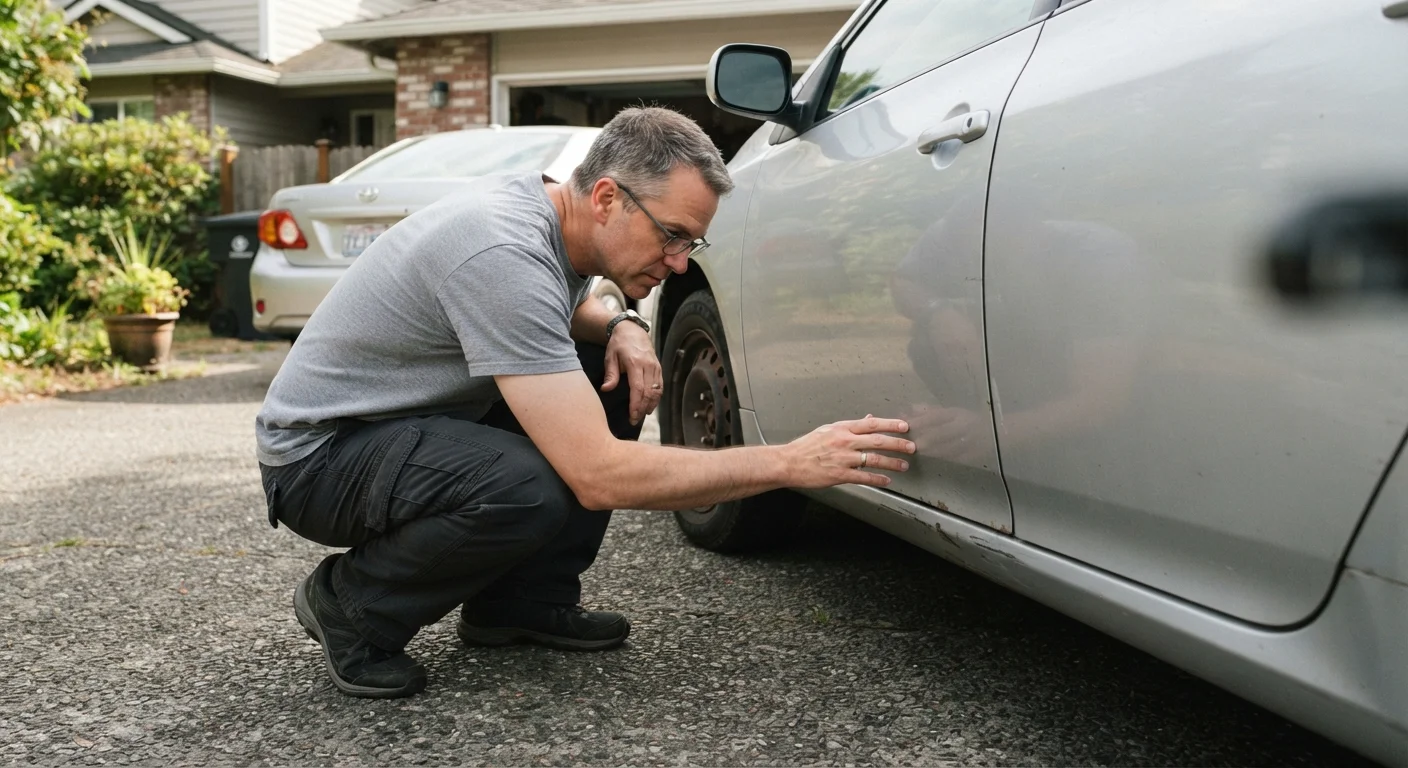
What to Verify Before Buying a Used Car from a Private Seller

Photo: ArticleHood.com | Precision In Every Word editorial

Title history, service records, mechanical checks — a structured checklist to help you spot problems before money changes hands.

Key Takeaways

  • Run a vehicle history report using the VIN before agreeing to any price or meeting.
  • Verify the seller's name matches the title — mismatches are a significant red flag.
  • A pre-purchase inspection by an independent mechanic is one of the most valuable steps you can take.
  • Check for open safety recalls using the vehicle's VIN on the NHTSA website at no cost.
  • Never hand over cash or sign a bill of sale before completing all verification steps.

Why Private Seller Purchases Carry Extra Risk

Buying from a private seller typically means no warranty, no dealer accountability, and no consumer protection safety net. The seller may know exactly what's wrong with the car — or they may genuinely not know. Either way, you bear the risk once money changes hands and you drive away.

That doesn't mean private sales are a bad idea. They often represent real value compared to dealer pricing. But the due diligence you skip is the problem you inherit. For a broader look at the financial realities of vehicle ownership, including what happens after the purchase, see our complete financial picture of vehicle ownership.

Use this checklist in sequence: paperwork first, then a physical inspection, then a test drive, then a professional check. Skipping steps — especially the mechanical ones — is where buyers most often regret the decision later.

Curbstoning: Know the Risk

Some 'private sellers' are actually unlicensed dealers who buy and flip vehicles without a dealer's license — a practice called curbstoning. These sellers often rotate cars quickly, obscure title problems, and have no legal accountability. If a seller has multiple cars for sale, is vague about their relationship to the vehicle, or insists on meeting in a parking lot rather than a residence, proceed with caution and verify the title history carefully before going further.

Tools and Resources You'll Need

Before you set up a meeting with a seller, gather the following. Some items cost nothing; others involve a small fee that is almost always worth it.

Required

VIN decoder / vehicle history report service

Pulls accident history, title records, odometer disclosures, and ownership count from national databases using the vehicle's VIN.

Required

NHTSA Recall Lookup (nhtsa.gov)

Free government tool to check whether the vehicle has any open safety recalls that have not been resolved.

Required

Independent qualified mechanic

Performs a pre-purchase inspection to identify mechanical issues that a visual inspection and test drive won't reveal.

Required

State DMV website

Confirms title transfer requirements, odometer disclosure rules, and bill of sale requirements specific to your state.

Optional

Flashlight or inspection light

Helps you examine the engine bay, undercarriage, and interior floor areas clearly even in shadow.

Optional

Tyre tread depth gauge

Provides an objective measurement of remaining tyre tread rather than relying on a visual estimate.

The Full Verification Checklist

Work through each group in order. The paperwork and history checks can often be done before you even meet the seller — do them first so you don't waste a trip.

Paperwork and Title Verification

Request the VIN (Vehicle Identification Number) from the seller before meeting and confirm it matches the one on the physical vehicle, dashboard, and door jamb. Must
Confirm the seller's name on a government-issued ID matches the name on the vehicle title exactly — a discrepancy can indicate a title problem or third-party sale. Must
Examine the title document for any lien holder listed; a lien means a lender has a legal claim on the vehicle until a loan is paid off. Must
Check the title for 'salvage,' 'rebuilt,' or 'flood' branding — these designations significantly affect value, insurability, and safety. Must
Ask for any available service records, receipts, or maintenance logs to understand how the car has been cared for. Should

Vehicle History Report

Run a paid vehicle history report using the VIN to check for accident history, reported odometer readings, and ownership count. Must
Cross-reference the odometer reading on the report against the current dashboard reading — unexplained gaps warrant direct questions. Must
Check the NHTSA website (nhtsa.gov) for any open safety recalls on the vehicle using its VIN — this service is free. Must
Review how many previous owners the vehicle has had; frequent ownership changes over a short period can indicate underlying problems. Should

Physical Exterior and Interior Inspection

Inspect all body panels in daylight for mismatched paint, uneven panel gaps, or rippling — signs of past collision repairs. Must
Check all glass surfaces for chips, cracks, or stress fractures, particularly the windshield. Should
Examine the interior for water stains, musty odor, or rust on metal floor components — potential indicators of flood damage. Must
Test every electrical feature: windows, mirrors, locks, A/C, heat, infotainment, and all exterior lights including reverse and brake lights. Should
Check tyre tread depth evenly across all four tyres and look for uneven wear patterns that may suggest alignment or suspension issues. Should

Mechanical and Under-Hood Checks

Check all fluid levels — engine oil, coolant, brake fluid, transmission fluid — and note colour and condition, not just level. Must
Inspect the engine bay for signs of oil leaks, corrosion, or improvised repairs with non-original parts. Must
Start the engine cold if possible and listen for unusual knocking, ticking, or rattling during warm-up. Must
Arrange a pre-purchase inspection (PPI) with an independent, qualified mechanic of your choosing — not one recommended by the seller. Must

Test Drive

Drive the car on both surface streets and a highway long enough to feel how the engine, transmission, and brakes perform under normal load. Must
Pay attention to any warning lights that illuminate on the dashboard during the drive; do not accept a seller's assurance that they're 'nothing serious.' Must
Test braking from highway speed in a safe, open area; note any pulling, vibration, or excessive stopping distance. Should

Never Skip the Independent Mechanic

A pre-purchase inspection by a mechanic you choose — not one the seller suggests — is the single most effective protection against hidden mechanical problems. Expect to pay a modest fee for this service. If a seller refuses to allow an independent inspection, that refusal alone is a strong reason to walk away. A car that passes an independent inspection gives you documented leverage in any negotiation and peace of mind after the purchase.

Once you've cleared all these steps, you'll be in a much stronger position to negotiate or walk away with confidence. If you're planning to finance the purchase, our pre-finance checklist covers the loan agreement review process in detail.

After the Checks: Making a Sound Decision

If everything comes back clean — clear title, solid history report, a mechanic who found only minor items, and a test drive with no surprises — you're in a reasonable position to proceed. If the seller resists any of these steps, treat that resistance as information.

Private sale transactions are typically documented with a bill of sale, a signed title transfer, and an odometer disclosure statement. Requirements vary by state, so check your state DMV's website before finalising anything. Remember that a private sale in most states is sold as-is — there is no implied warranty unless you negotiate one in writing.

For context on what the seller's side of this transaction looks like, private sale vs. dealer trade-in breaks down the seller's perspective honestly. And once you own the car, the Car Maintenance hub is a good starting point for keeping it in reliable shape.

This article is for general informational purposes only and does not constitute legal or financial advice. Verify all state-specific requirements with your state DMV or a qualified professional before completing a vehicle purchase transaction.

Cars & Driving Editorial Team

ArticleHood.com | Precision In Every Word

Cars & Driving Editorial Team is the collective byline for our editorial team and contributor network. Articles published under this byline or an editorial pen name are researched, written, and reviewed according to our editorial standards for clarity, consistency, and independence before publication.

Car MaintenanceSafe DrivingVehicle Ownership
View author profile

The content on this site is for informational purposes only and is not a substitute for professional advice. Always consult a qualified professional for guidance specific to your situation.