
The Science Behind Why Ultra-Processed Foods Taste So Good

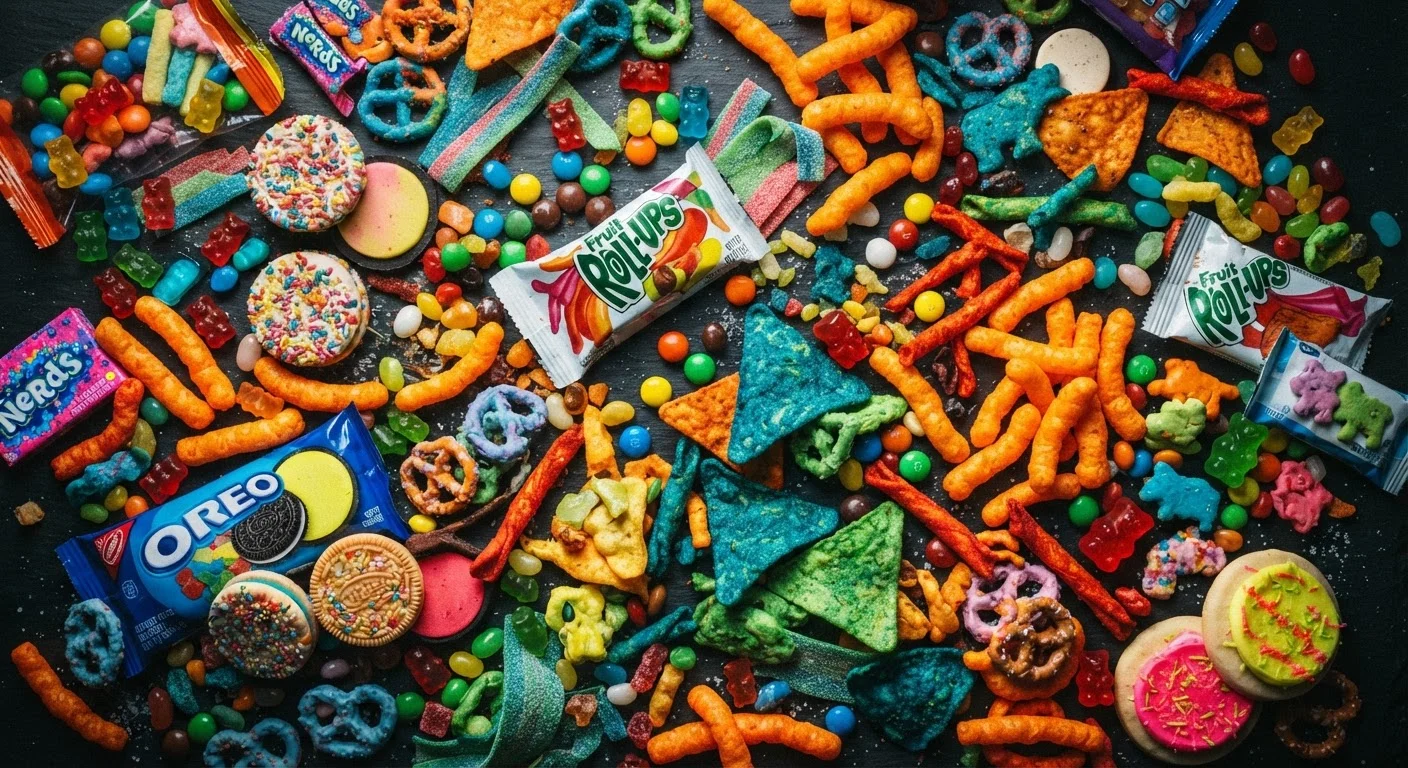
Photo: ArticleHood.com | Precision In Every Word editorial
Key Takeaways
- Ultra-processed foods are deliberately engineered using combinations of fat, sugar, salt, and texture to maximize pleasure.
- The 'bliss point' describes an optimal ratio of key ingredients that triggers strong reward signals in the brain.
- Aroma compounds, mouthfeel, and visual cues all work together to make processed foods feel irresistible.
- Understanding these mechanisms helps consumers make more conscious, informed food choices.
- Eating these foods occasionally is not harmful for most people, but awareness of their design is valuable.
Engineering Desire: The Core Strategy
When food scientists develop a new snack or packaged meal, their goal isn't simply to make something edible - it's to make something that triggers intense pleasure and encourages you to keep eating. This is palatability engineering in practice, and it draws on decades of sensory science, consumer psychology, and neurochemistry.
Three primary levers drive this engineering: fat, sugar, and salt. Each activates distinct pleasure pathways in the brain. Fat delivers richness and slows digestion, creating a prolonged sense of satisfaction. Sugar triggers a rapid dopamine response. Salt amplifies every other flavor and suppresses bitterness. Together in carefully calibrated ratios, they create a sensory experience that whole foods rarely replicate with the same consistency. To understand how salt alone contributes to this effect, see our deep dive on how salt works in cooking.
57%
Share of US calories from ultra-processed foods
A study published in BMJ Open estimated that ultra-processed foods account for approximately 57% of daily caloric intake for the average US adult.
~10,000
Additives approved for use in US food supply
The FDA maintains a list of substances generally recognized as safe (GRAS), with estimates suggesting roughly 10,000 additives are permitted in the US food supply, many used in ultra-processed products.
3x
Faster eating rate with ultra-processed vs. unprocessed meals
A small controlled trial published in Cell Metabolism found participants consumed ultra-processed food at approximately three times the caloric rate of unprocessed meals when given free access to both.
The Role of Texture and Mouthfeel
Taste is only part of why processed foods feel so compelling. Texture - or more precisely, mouthfeel - plays an enormous role. Food scientists use the term mouthfeel to describe the physical sensations food creates: crunch, creaminess, melt-in-the-mouth softness, or carbonation tingle.
A chip engineered to shatter at a specific force delivers a satisfying acoustic and tactile signal that researchers associate with freshness and enjoyment. Emulsifiers (additives that keep fat and water mixed smoothly) create creaminess in products that would otherwise feel thin or gritty. Some ultra-processed foods are deliberately formulated to dissolve quickly in the mouth - a phenomenon sometimes called "vanishing caloric density" - which can reduce the brain's sense of how much has been eaten, making it easier to consume more than intended.
A Simple Check Before You Snack
Layered Flavour and Aroma Chemistry
Whole foods tend to have a single dominant flavor profile. Ultra-processed products are built with flavor layering - multiple taste and aroma compounds that hit at different points during chewing and swallowing. You might taste sweetness first, then saltiness, then a savory umami note, then a faint acidity as you swallow. This sequence keeps sensory interest high throughout every bite.
Much of what we perceive as taste is actually smell. Volatile aroma compounds - molecules that evaporate and travel to olfactory receptors - are engineered into products using both natural and artificial flavorings. These compounds can closely mimic the smell of fresh strawberries, roasted meat, or buttered popcorn with remarkable precision, often at a fraction of the cost of using the actual ingredient.
Understanding what goes into a product starts with being able to read its label. Our guide on what food labels are actually telling you breaks down ingredient lists and additive terminology in plain language.
“The food industry has become extraordinarily good at reverse-engineering the signals that make us want to eat - and keep eating. Understanding those signals is the first step to reclaiming some control over them.”
— David Kessler, Former FDA Commissioner and author on food science and overeating
Visual Appeal and the Psychology of Packaging
Before a single bite, the brain is already forming expectations. Color is a powerful trigger: artificial colorants make foods look more vivid and fruit-like than nature alone would allow, priming the consumer to anticipate flavor that may not fully materialize. Researchers have shown that the color of a food or its packaging influences perceived sweetness, saltiness, and even freshness.
Food manufacturers also exploit portion distortion - packaging designs that suggest a product contains less than it does, or that a serving size is larger than officially defined. Being equipped to read a nutrition label critically is one of the most practical defenses a consumer has against these tactics. The more you know about how a product was designed to appeal to you, the better positioned you are to decide how much of it belongs in your diet.
This article is for general informational and educational purposes only and is not a substitute for professional nutritional or medical advice. Consult a qualified healthcare provider or registered dietitian for guidance specific to your health needs.
Frequently Asked Questions
The content on this site is for informational purposes only and is not a substitute for professional advice. Always consult a qualified professional for guidance specific to your situation.