
What Happens in Your Brain When You're Burned Out

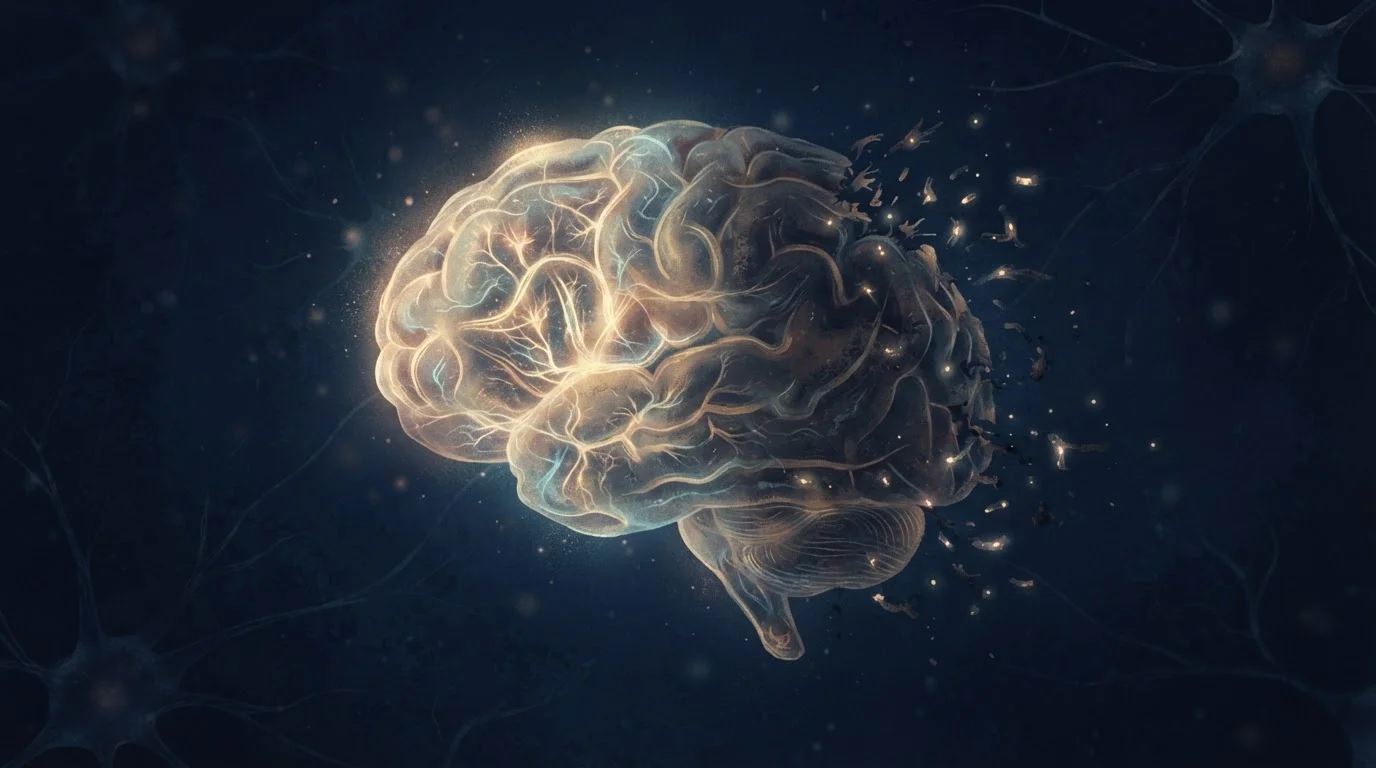
Photo: ArticleHood.com | Precision In Every Word editorial
Key Takeaways
- Burnout produces measurable changes in brain chemistry, structure, and function - not just mood.
- The prefrontal cortex, amygdala, and HPA axis are all affected by prolonged stress.
- Recovery takes longer than most people expect because neural pathways need time to rebuild.
- Recognizing burnout early can prevent more serious and lasting neurological impact.
- Professional support is often necessary - burnout does not reliably resolve with rest alone.
More Than Exhaustion: What Burnout Actually Is
Most people use "burnout" to describe feeling overwhelmed or overworked. But clinically, burnout is a prolonged stress response that has crossed a threshold - where the body and brain can no longer compensate for sustained demands. It is not a character flaw or a sign of weakness. It is what happens when a system runs without adequate recovery for too long.
Understanding what is happening neurologically helps explain why burnout feels so different from ordinary tiredness - and why simply "taking it easy for a few days" rarely resolves it. The brain is physically changed by the experience.
Burnout Is Not the Same as Stress
The Stress System Under Siege
At the core of burnout is a dysregulated hypothalamic-pituitary-adrenal (HPA) axis - the brain-body system that manages the stress hormone cortisol. Under normal conditions, this system activates when a threat appears, then quiets when the threat passes. During chronic stress, the system loses this rhythm. Cortisol levels become erratic - sometimes chronically elevated, sometimes blunted - disrupting sleep, immune function, and mood regulation.
Research published in journals studying occupational stress has found that burned-out individuals show abnormal cortisol patterns compared to healthy controls, suggesting the HPA axis has been pushed beyond its normal regulatory range. This is not a metaphor - it is a measurable biological state.
77%
Workers reporting burnout at current job
According to a Deloitte Workplace Burnout Survey, 77% of respondents said they had experienced burnout at their current job.
~18 months
Typical recovery time for severe burnout
Occupational health research suggests serious burnout can take well over a year to fully resolve without structured support.
Lower
Gray matter volume in burned-out individuals
Studies using MRI found reduced gray matter density in the prefrontal cortex of individuals with clinical burnout compared to healthy controls.
What Changes Inside the Brain
Neuroimaging studies have identified several areas of the brain affected by burnout:
- Prefrontal cortex: This region handles decision-making, planning, and emotional regulation. Chronic stress is associated with reduced gray matter density here, which helps explain why burned-out people feel mentally foggy and struggle to make even simple decisions.
- Amygdala: The brain's threat-detection center can become hyperactive under prolonged stress, increasing emotional reactivity and feelings of anxiety or dread - even in situations that are not genuinely threatening.
- Anterior cingulate cortex: Involved in error detection and attention, this area shows reduced activity in burnout, contributing to difficulty focusing and maintaining sustained effort.
These are not isolated quirks. They represent a coordinated shift in how the brain prioritizes resources - away from higher-order thinking and toward basic survival functions. The brain is doing exactly what it was designed to do under threat; the problem is that the threat never turns off.
Similar cognitive impairment - in attention, judgment, and reaction time - also appears in severe fatigue. Fatigue's effect on driving judgment shows just how broadly impaired the brain becomes when it is chronically depleted.
“Burnout is not a personal failing - it is a signal that the demands placed on an individual have exceeded the brain's capacity to sustain them over time.”
— Christina Maslach, Professor Emerita of Psychology, University of California Berkeley, and leading burnout researcher
Why Recovery Takes Longer Than You Expect
Because burnout involves structural and chemical changes in the brain - not just a temporary emotional state - recovery requires more than a weekend off. Neural pathways that have been shaped by months of chronic stress do not snap back instantly. The HPA axis needs time to recalibrate. The prefrontal cortex needs sustained low-stress periods to recover its thickness and connectivity.
This is also why addressing the patterns that sustain stress matters as much as rest. Common stress patterns that make recovery harder can quietly undermine even genuine attempts to heal. Recovery is an active process, not a passive one.
What Actually Helps During Recovery
This article is for general informational purposes only and does not constitute medical advice. If you are experiencing symptoms of burnout or mental health concerns, please consult a qualified healthcare professional.
Frequently Asked Questions
The content on this site is for informational purposes only and is not a substitute for professional advice. Always consult a qualified professional for guidance specific to your situation.