
Preventive Care vs. Reactive Medicine: What the Difference Means for Your Health

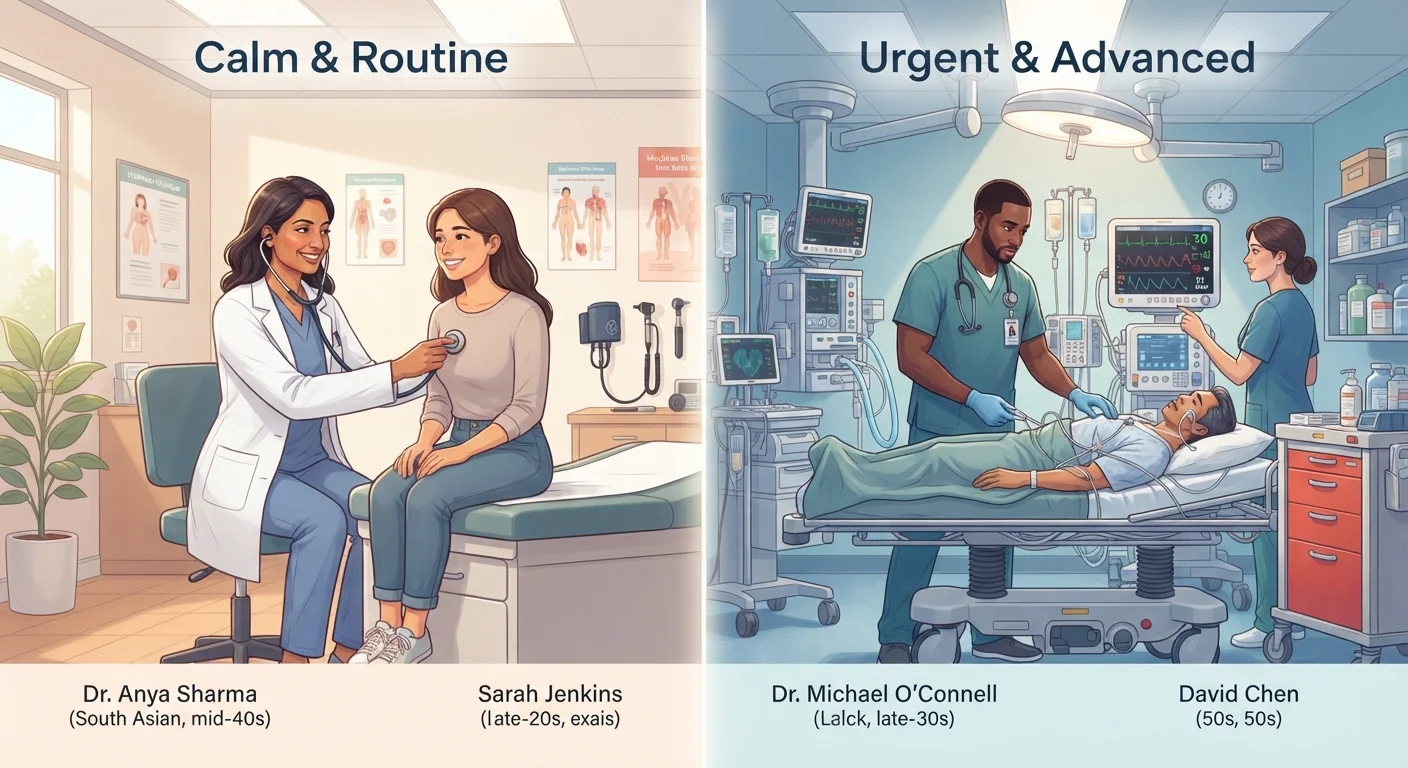
Photo: ArticleHood.com | Precision In Every Word editorial
Key Takeaways
- Preventive care focuses on reducing disease risk before symptoms develop through habits and screenings.
- Reactive medicine addresses health problems after they appear, often requiring more intensive treatment.
- Both approaches serve essential roles - neither replaces the other in a complete health strategy.
- Preventive habits can reduce the likelihood of certain chronic diseases, though outcomes are never guaranteed.
- Consult a qualified healthcare provider to determine which screenings and habits are right for you.
Defining the Two Approaches
At its core, preventive care is any health action taken before a problem develops. It includes annual wellness visits, recommended screenings (such as blood pressure checks and cancer screenings), vaccinations, and everyday lifestyle choices - from balanced nutrition to regular movement and adequate sleep. The goal is to either stop a disease from occurring entirely or catch it at an early, more manageable stage.
Reactive medicine, by contrast, is the clinical response to a health problem that already exists. This includes everything from treating a broken bone to managing a newly diagnosed chronic condition. It is the backbone of emergency and acute care - essential, sophisticated, and often life-saving.
Neither exists in isolation. Most people will experience both over a lifetime, and effective healthcare systems depend on both functioning well. The distinction matters because understanding each approach helps you make more informed decisions about your own health priorities. For a deeper dive into the evidence and philosophy behind proactive health, see our complete overview of preventive care.
How They Differ in Practice
The most meaningful difference between preventive care and reactive medicine lies in timing. Preventive care happens continuously - it's built into routine visits and daily habits. Reactive medicine is triggered by need: a symptom, an injury, or a diagnosis.
| Criterion | Preventive Care | Reactive Medicine |
|---|---|---|
| When it occurs | Before symptoms or diagnosis | After symptoms or illness emerge |
| Primary goal | Reduce disease risk; catch issues early | Diagnose, treat, and manage existing conditions |
| Examples | Annual checkups, screenings, vaccinations, lifestyle habits | ER visits, prescription treatment, surgery, rehabilitation |
| Patient role | Ongoing, active participation | Responding to an identified need |
| Typical cost pattern | Lower per encounter; spread over time | Higher per episode; concentrated at point of care |
| Outcome certainty | Risk reduction, not guaranteed prevention | Dependent on condition, stage, and treatment response |
This timing difference has real consequences. Conditions caught early through screening - such as high blood pressure or elevated blood glucose - are often more responsive to lifestyle intervention and less likely to require intensive medical management down the line. That said, preventive care is not a guarantee; it reduces risk rather than eliminating it entirely. Our article on what preventive care can and can't guarantee examines this balance honestly.
Why the Shift Toward Prevention Matters
Chronic diseases - including heart disease, type 2 diabetes, and certain cancers - account for a substantial share of illness and death in the United States, according to the Centers for Disease Control and Prevention (CDC). Many of these conditions develop gradually and are influenced by modifiable factors such as diet, physical activity, tobacco use, and alcohol consumption.
6 in 10
US adults with at least one chronic disease
According to the CDC, chronic diseases are the leading drivers of death and disability in the United States, with many linked to modifiable lifestyle factors.
90%
Of the nation's health spending on chronic and mental health conditions
The CDC estimates that chronic and mental health conditions account for roughly 90% of annual US healthcare expenditure, highlighting the scale of reactive care costs.
This is where preventive care has its strongest evidence base: intervening on these modifiable risk factors, often before any symptoms appear. Reactive medicine remains indispensable once disease is established, but it typically cannot reverse the underlying trajectory the way early intervention can.
Preventive care also encompasses two distinct layers - stopping a condition before it starts, and detecting it at its earliest stage. Understanding both can sharpen how you approach your own health. Our piece on primary versus secondary prevention explains how these layers work together.
Putting It Into Action
Shifting toward a more preventive mindset doesn't require overhauling your life overnight. It typically starts with a primary care relationship - a clinician who knows your history, tracks your risk factors, and schedules appropriate screenings based on your age, sex, and family history. What those screenings look like changes across your lifespan; our guide to how preventive care priorities shift with age maps those changes clearly.
A Note on Special Populations
If you're new to building these habits, a structured starting point can make the process feel manageable. Our guide to building a preventive care routine from scratch walks through the foundational steps.
This article is for general health information and education only. It is not a substitute for professional medical advice, diagnosis, or treatment. Always consult a qualified healthcare provider about your individual health circumstances.
The content on this site is for informational purposes only and is not a substitute for professional advice. Always consult a qualified professional for guidance specific to your situation.