
Reusable Cloths vs. Paper Towels: More Than an Environmental Choice

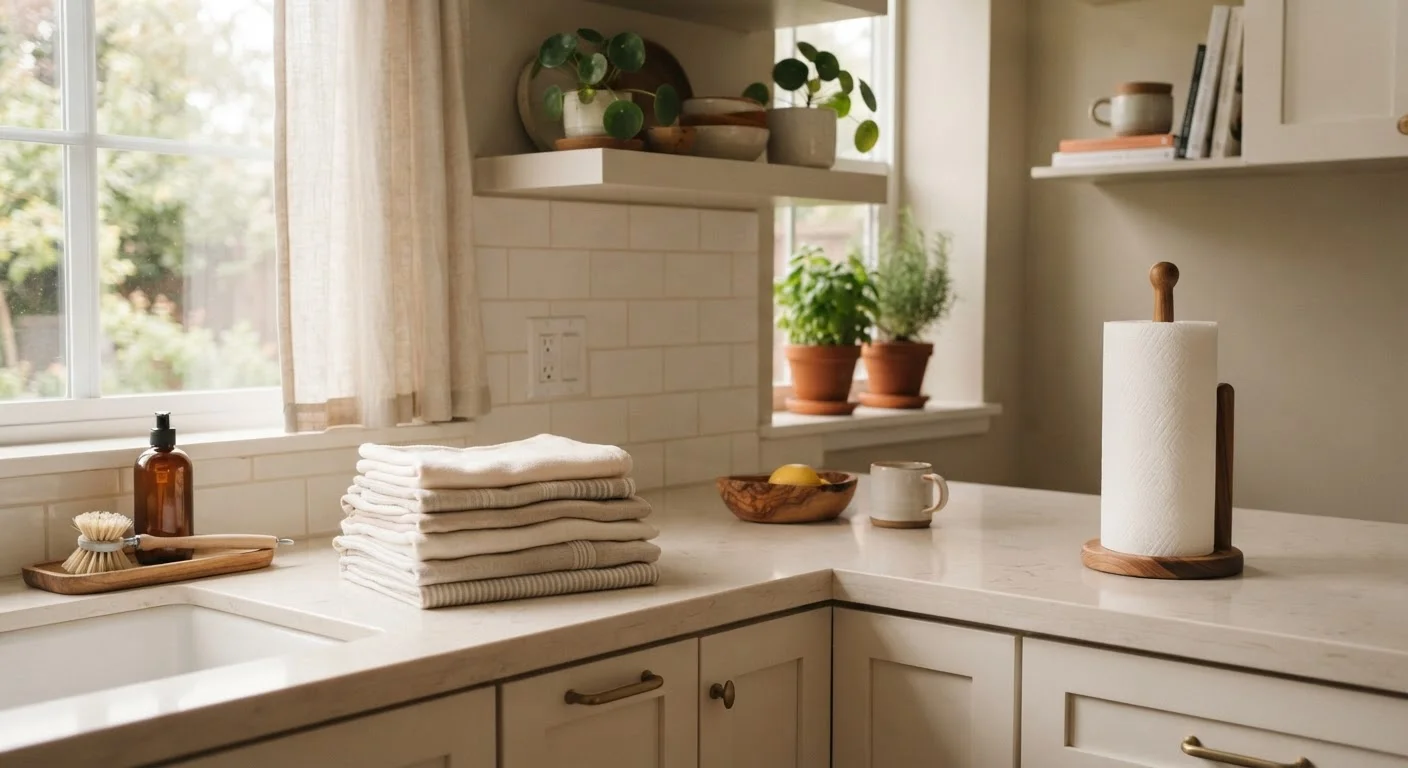
Photo: ArticleHood.com | Precision In Every Word editorial
Key Takeaways
- Reusable cloths typically cost less over time but require consistent laundering to remain hygienic.
- Paper towels offer genuine advantages for tasks involving raw meat, harsh chemicals, or infectious illness.
- Absorbency and surface compatibility vary across cloth materials - the right cloth depends on the job.
- A hybrid approach - cloths for daily tasks, paper towels for specific situations - suits most households.
- Neither option is universally superior; the best choice depends on task type, household habits, and tolerance for laundering.
What You're Actually Deciding Between
The reusable-vs-paper-towel debate is often framed as an environmental question, but for most households the day-to-day considerations are more practical: cost, hygiene management, and whether the tool actually does the job. Both options have genuine strengths - and real limitations that are worth understanding before defaulting to habit.
Reusable cloths include a wide range of materials: microfiber (a synthetic fabric that traps dust and absorbs moisture efficiently), terry cotton, flour-sack cloth, and cellulose-blend options. Paper towels vary in thickness, absorbency, and sheet count. These differences matter because not every cloth or towel performs equally across all tasks.
Understanding where each option excels - and where it falls short - makes it easier to build a cleaning routine that holds up over time without second-guessing every wipe.
| Criterion | Reusable Cloths | Paper Towels |
|---|---|---|
| Ongoing cost | Low after initial purchase | Recurring weekly or monthly cost |
| Hygiene management | Requires consistent laundering | Disposable - no cross-contamination risk |
| Best absorbency | Microfiber and terry cotton excel | Good for grease and large spills |
| Surface compatibility | Microfiber safe on most; check for lint | Works on nearly all surfaces |
| Raw food or illness cleanup | Not recommended without immediate wash | Preferred - dispose immediately |
| Storage and organization | Requires designated storage and labeling | Standard roll holder, no system needed |
| Environmental footprint | Lower waste; laundering uses water/energy | Generates more solid waste over time |
Hygiene: The Factor Most Comparisons Underplay
Hygiene is where reusable cloths carry a real caveat. A cloth that wipes down a cutting board, sits damp on the counter overnight, and gets reused the next morning is a reliable breeding ground for bacteria. This isn't a reason to avoid reusable cloths - it's a reason to use them with a clear system.
The practical rule: designate cloths by task. Use separate cloths for kitchen surfaces, bathroom surfaces, and floor spills. Color-coding or labeling works well. Launder them frequently - after each kitchen use involving food contact, or at minimum every couple of days for general cleaning cloths. Microfiber in particular should be washed without fabric softener, which clogs the fibers and reduces effectiveness.
Paper towels sidestep this issue entirely by design. For tasks involving raw meat, raw egg, chemical residues, or illness-related cleanup, the ability to discard immediately - without storing or transporting a contaminated cloth to the laundry - is a meaningful practical advantage, not just a convenience.
When Labeling Cloths Actually Matters
For households building more consistent cleaning habits, see how cleaning frequency mistakes can quietly degrade surfaces and materials over time.
Cost and Performance Over Time
On cost, reusable cloths win over any meaningful time horizon - but the math depends on how many you buy and how long they last. A set of microfiber cloths used and laundered regularly can serve a household for a year or more before needing replacement. The initial outlay is recovered quickly when compared to a recurring paper towel budget.
Performance varies more than most people expect. Microfiber is particularly effective at picking up dust and fine particles dry, and absorbs liquid efficiently when damp. Cotton terry cloth is highly absorbent but can leave lint on smooth surfaces. Cellulose-blend cloths (sometimes called "Swedish dishcloths") fall between the two - absorbent, durable, and compostable at end of life. Paper towels, meanwhile, are generally better at handling grease and soaking up large liquid spills without smearing.
80+
Typical uses per microfiber cloth before replacement
Industry and consumer testing generally shows quality microfiber cloths withstand dozens to over a hundred wash cycles when cared for properly.
13 billion
Pounds of paper towels used annually in the US
According to EPA waste characterization data, paper products including towels represent a significant portion of US municipal solid waste streams.
For context on how wiping choices fit into broader household product decisions, the Household Essentials guide covers the full picture of day-to-day home management. And if you're thinking about which cleaning products to pair with either option, natural vs. chemical cleaners is worth reading alongside this comparison.
The content on this site is for informational purposes only and is not a substitute for professional advice. Always consult a qualified professional for guidance specific to your situation.