
Navigating India as a First-Time Visitor: Approaching a Complex Country Thoughtfully

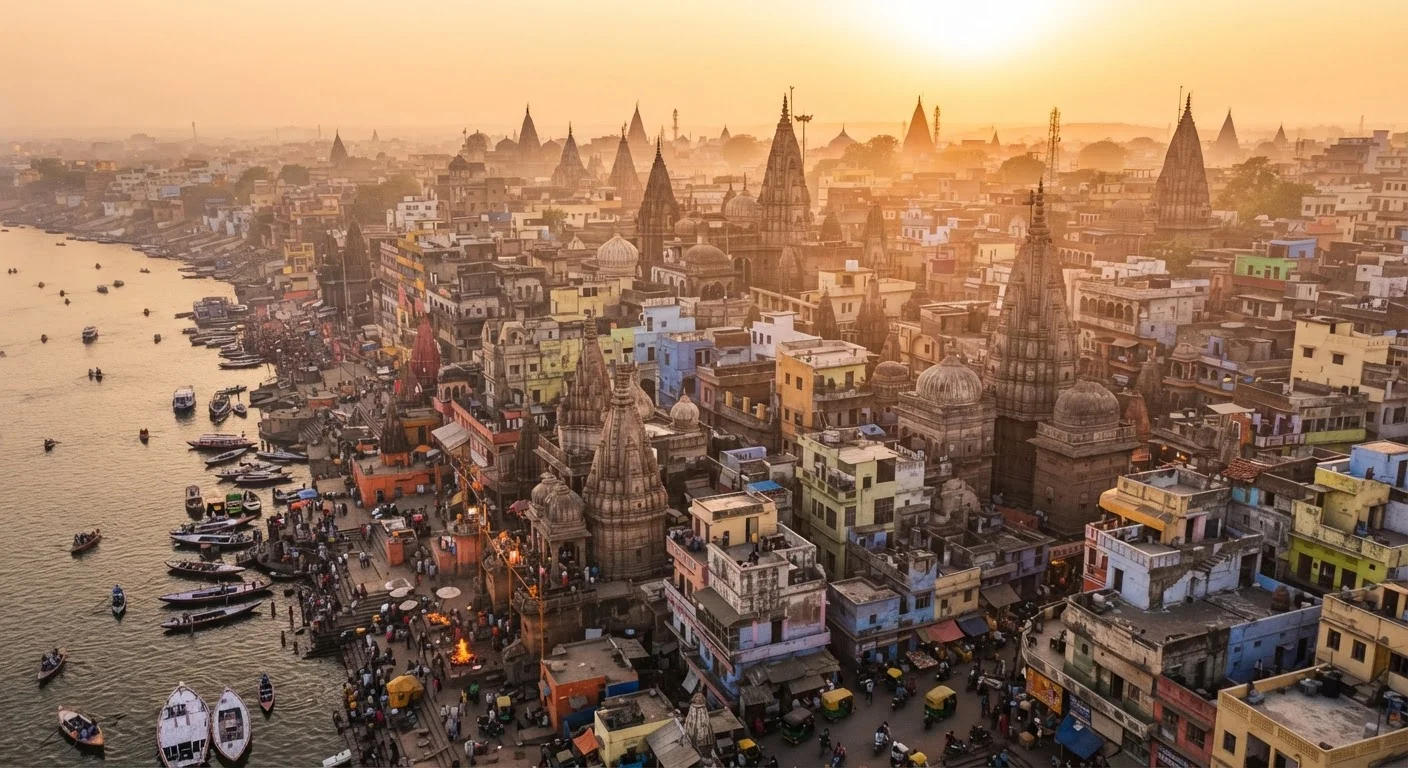
Photo: ArticleHood.com | Precision In Every Word editorial
Key Takeaways
- India is extraordinarily diverse - what's true in one region may not apply in another.
- Flexibility and patience are more valuable planning tools than a tight itinerary.
- Entry requirements, visa rules, and health advisories should always be verified through official government sources before travel.
- Respecting local customs, dress codes, and temple etiquette goes a long way with hosts and communities.
- Limiting your first trip geographically helps you go deeper rather than just covering distance.
Why India Resists Simple Advice
India is not one destination - it is closer to thirty. The food, language, climate, religion, infrastructure, and social customs shift dramatically as you cross state lines. What applies to the Rajasthani desert town of Jaisalmer has almost nothing in common with the backwater canals of Kerala or the Buddhist monasteries of Ladakh. This is both the country's greatest draw and the source of most first-timer confusion.
Most travel advice about India tends to flatten this complexity into a highlight reel: the Taj Mahal, Varanasi's ghats, Goa's beaches. Those places are genuinely worth visiting. But arriving with only a checklist - and no framework for adapting when things change - is one of the most common trip-planning mistakes visitors make. If you want to understand the broader pattern, our piece on things travelers consistently underestimate puts this in wider context.
The goal here isn't to overwhelm you. It's to give you the orientating principles that experienced India travelers rely on - the kind that make the difference between a trip that exhausts you and one that stays with you for decades.
Best Practices for Navigating India Well
These aren't rules so much as hard-won orientations. Think of them as mental frameworks to carry alongside your passport.
Choose one region and go deep rather than skimming the whole country.
Build buffer days into every leg of the journey.
Learn the dress code expectations before entering religious sites.
Drink only bottled or filtered water and be deliberate about food hygiene.
Negotiate or confirm prices before committing to auto-rickshaws and informal transport.
Approach cultural differences with curiosity rather than frustration.
Where to Focus Your First Trip
Most seasoned travelers to India recommend resisting the urge to cover too much ground on a first visit. The country's scale makes it tempting to string together five or six regions - but transit time, adjustment periods, and the sheer sensory intensity of daily life in India mean that more stops often translates to less depth and more exhaustion.
A single geographic circuit done well - say, the Rajasthan triangle of Jaipur, Jodhpur, and Udaipur, or the Tamil Nadu temple corridor in the south - will give you far more texture than a rushed national sweep. India is also a country where lingering pays off: slowing down to eat at a local dhaba (a roadside restaurant), attending an evening aarti ceremony at a riverside ghat, or accepting an invitation to explore a neighborhood with a local often produces the memories that outlast any monument.
If you're weighing India against other complex, rewarding destinations for your first major international trip, it's worth reading our overviews of first-time Morocco travel and Southeast Asia for first-time visitors to compare the logistics and learning curves involved.
Verify Entry Requirements Through Official Sources
Before you finalize any plans, make sure the fundamentals are covered. Our guide on what every first-time international traveler should know is a useful foundation - particularly the sections on visas, health documentation, and travel insurance.
The content on this site is for informational purposes only and is not a substitute for professional advice. Always consult a qualified professional for guidance specific to your situation.