
Southeast Asia on Your First Visit: Thailand, Vietnam, or Indonesia?

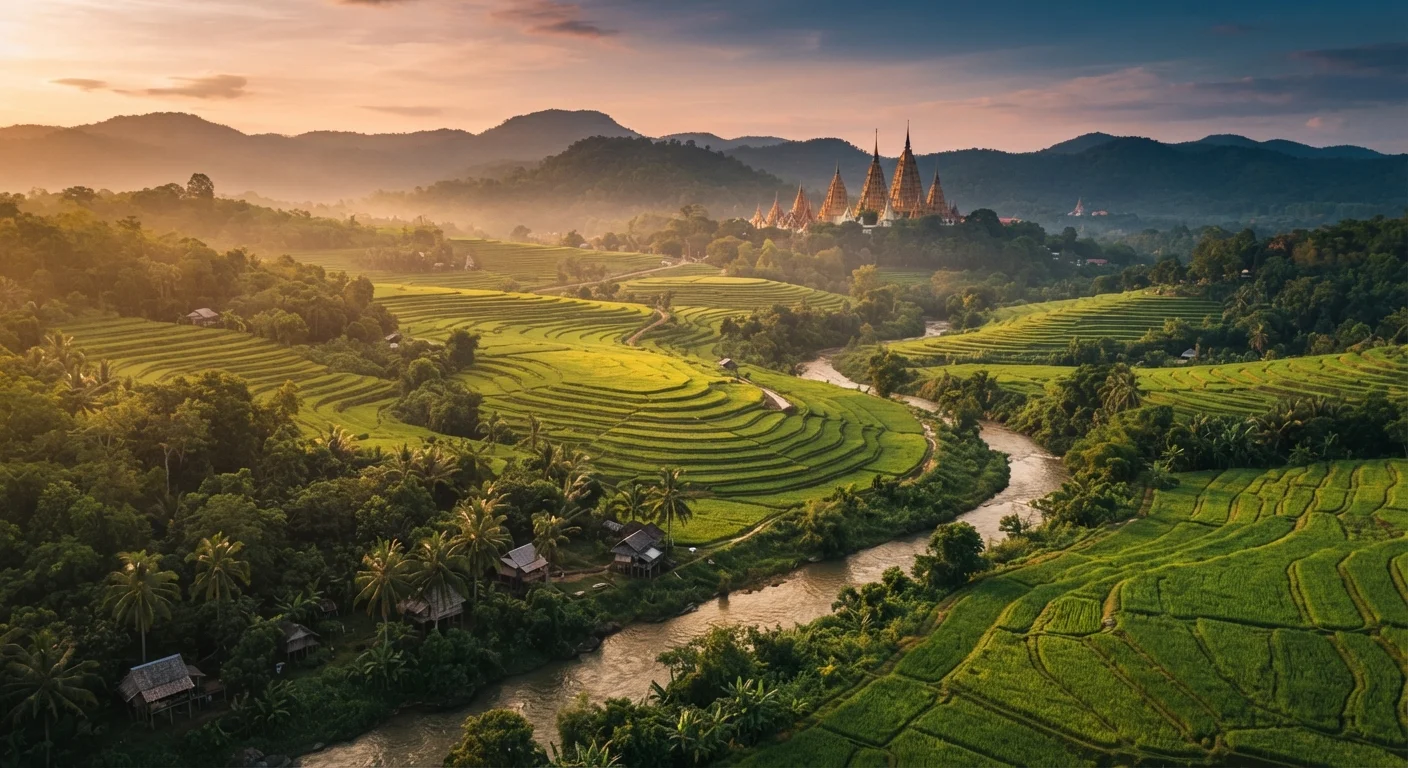
Photo: ArticleHood.com | Precision In Every Word editorial
Key Takeaways
- Thailand offers the most developed tourist infrastructure, making it an easier entry point for first-timers.
- Vietnam rewards those who want cultural depth and geographic variety across a long north-to-south journey.
- Indonesia's diversity is immense - most first-timers focus on Bali, which suits beach and culture seekers well.
- Visa access, budget, and travel style all factor meaningfully into which destination fits best.
- All three countries require advance planning around health, entry requirements, and local customs.
Why These Three? Setting the Stage
Southeast Asia can feel both enormous and approachable - a region of ancient temples, vivid street food, and staggering natural landscapes packed across a relatively compact geography. For first-time visitors, the challenge isn't finding something to do; it's knowing where to begin. Thailand, Vietnam, and Indonesia consistently top the list of entry points, and for good reason: each blends accessibility with genuine cultural richness. But they are meaningfully different trips, and choosing between them matters more than most planning guides admit.
Before diving in, it's worth reading what every first-time international traveler should know before leaving - passports, travel insurance, and cultural awareness basics apply to all three destinations equally.
| Thailand | Vietnam | Indonesia (Bali focus) | |
|---|---|---|---|
| Ease for first-timers | Very high - smooth infrastructure | Moderate - rewarding but busier | Moderate - Bali friendly, beyond requires effort |
| Typical visa for US travellers | Visa-exempt short stays (verify) | e-Visa available (verify) | Visa-on-arrival for Bali (verify) |
| Best trip length | 1-3 weeks | 2-3 weeks | 10 days - 3 weeks |
| Food scene | Excellent, widely varied | Outstanding, regionally distinct | Strong, especially local Balinese |
| Cultural depth | Rich - temples, festivals, history | Deep - layered and historically resonant | Vivid - Hindu traditions in Bali |
| Natural landscapes | Islands, jungle, mountains | Mountains, coast, delta, bay | Volcanoes, terraces, beaches |
| Internal transport | Reliable - trains, buses, flights | Good - domestic flights affordable | Variable - inter-island logistics complex |
| Budget friendliness | Good across all levels | Very good, especially street food | Good in Bali; varies by island |
Thailand: The Easiest On-Ramp
Thailand has spent decades building one of the world's most visitor-friendly tourism ecosystems. Signage in English is widespread, inter-city transport is reliable, and accommodation runs from budget guesthouses to high-end resorts with genuine consistency in quality. Bangkok is a thrilling, chaotic introduction - street food that rivals any fine dining, ornate temples like Wat Phra Kaew, and a nightlife scene that runs all hours. From there, the country fans out into northern culture hubs like Chiang Mai, limestone island clusters in the Andaman Sea, and quieter provinces that reward slower travel.
Visa access for US passport holders is straightforward, with visa-exempt entry available for short stays (always verify current requirements with official Thai government sources before travel). The main caution: popular spots like the islands can feel heavily commercialised in peak season. If you want to step beyond the trail, Thailand still has it - but you'll need to look slightly harder for it.
Timing Your Thailand Visit
Vietnam: A Journey From End to End
Vietnam is best understood as a long, narrow country that changes dramatically as you move through it. Hanoi in the north is atmospheric and cerebral - French colonial architecture, misty lakes, and a food culture that could anchor a week on its own. The central coast offers Hoi An's lantern-lit ancient town and the imperial grandeur of Hue. Ho Chi Minh City in the south pulses with entrepreneurial energy. The geography between these poles - Ha Long Bay, the rice terraces of Sapa, the Mekong Delta - adds layers that reward travellers who build in time.
Vietnam suits those who enjoy planning a loose itinerary and following it with curiosity. Domestic flights are affordable and frequent, making north-to-south travel manageable even in two weeks. The country's history is complex and present in ways that genuinely enrich the experience for attentive visitors. Food, in particular, is extraordinary - regional, varied, and deeply connected to local identity. Vietnam can feel intense and occasionally chaotic for very first-time travellers, but that friction is also much of the appeal.
Indonesia: Scale, Depth, and Bali's Pull
Indonesia is the world's largest archipelago nation - over 17,000 islands spanning a geography wider than the continental United States. For most first-timers, the trip narrows naturally to Bali, and that's not a compromise. Bali offers a remarkably concentrated experience: Hindu temple culture, terraced rice paddies in Ubud, surf breaks along the Bukit Peninsula, and a hospitality tradition that genuinely shows. It's a place where the spiritual and the scenic coexist in a small enough space to feel navigable.
Beyond Bali, nearby Lombok provides wilder terrain and the Gili Islands offer stripped-back beach simplicity. Java - home to the ancient temple complexes of Borobudur and Prambanan - is extraordinary but requires more logistical effort. Inter-island transport can be slow or inconsistent, so building buffer time matters. If you're already thinking about what it takes to plan a Bali trip properly, a pre-trip checklist for Bali-bound travellers is a useful next step.
Indonesia Inter-Island Travel Takes Time
Making the Call: What Really Matters
The right choice hinges on a few honest self-assessments. How much logistical friction are you comfortable with? Thailand minimises it; Vietnam has more; Indonesia's island-hopping maximises it. How long do you have? Vietnam rewards at least two weeks; Bali can be satisfying in ten days. What are you actually after - beaches, culture, food, adventure, history, or some weighted combination?
It's also worth thinking about how you like to travel. Independent travel and guided tours each suit different travellers - and Southeast Asia has a mature market for both. Group tours through Vietnam or Thailand can add structure without sacrificing depth. Solo travel is widely practiced and reasonably safe across all three, though local customs and context always deserve research before you go.
For travellers considering a more challenging first international destination, it's worth noting how approaching a complex country like India requires a different mental framework altogether - useful context if Southeast Asia eventually becomes a stepping stone to broader regional exploration.
This article provides general travel information and educational guidance only. Entry requirements, visa policies, health recommendations, and local conditions can change. Always verify current requirements with official government and travel advisory sources before making any travel decisions.
The content on this site is for informational purposes only and is not a substitute for professional advice. Always consult a qualified professional for guidance specific to your situation.