
Peru's Sacred Valley: Culture, Altitude, and What the Guidebooks Leave Out

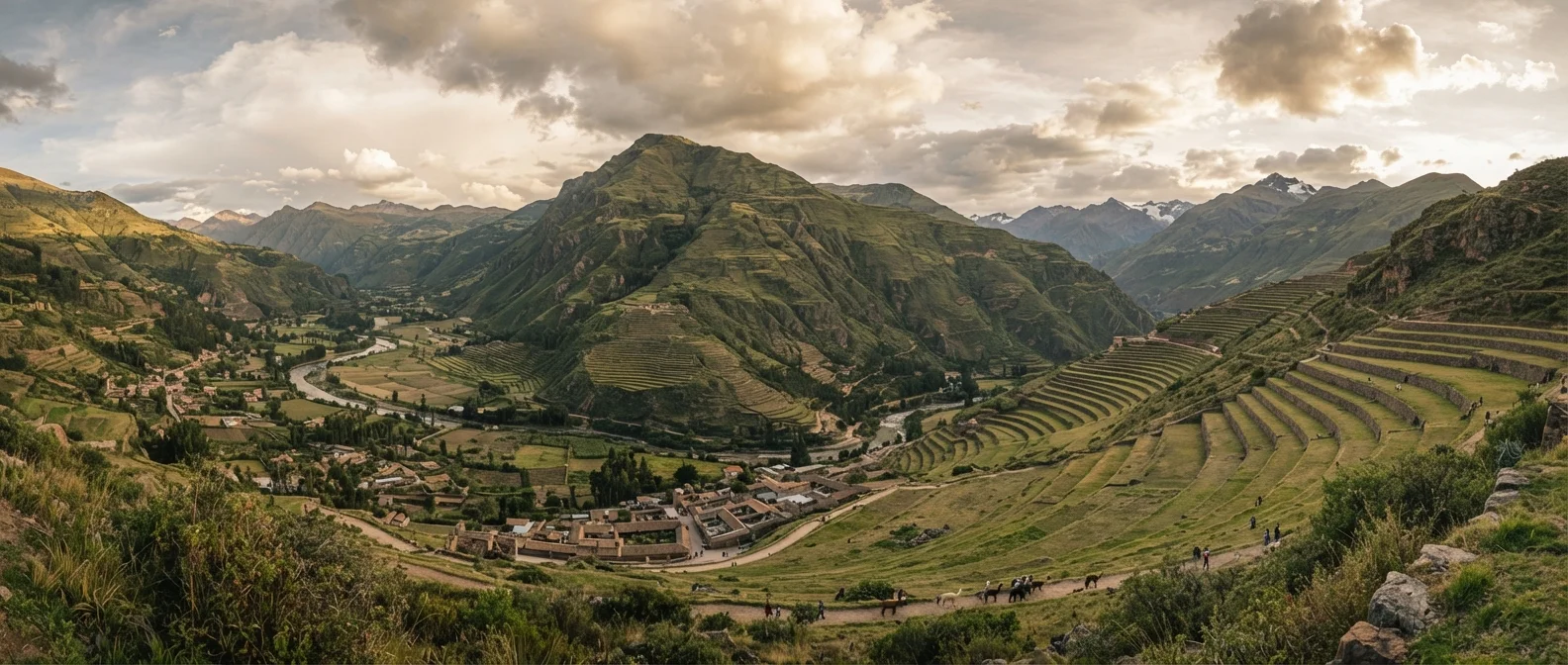
Photo: ArticleHood.com | Precision In Every Word editorial
Key Takeaways
- The Sacred Valley sits at 9,000-9,500 feet elevation - meaningfully lower than Cusco, which helps with acclimatization.
- Most guidebooks prioritize Machu Picchu, but the Valley itself rewards days of slower, independent exploration.
- Local Quechua communities remain actively present - this is lived culture, not a heritage theme park.
- Altitude sickness is real and affects fit, healthy travelers; planning rest time is non-negotiable.
- Market days in Pisac and Chinchero offer genuine community life alongside the more tourist-facing stalls.
What the Sacred Valley Actually Is
The Urubamba Valley - known widely as the Sacred Valley of the Incas - is a roughly 60-mile corridor running between the towns of Pisac and Ollantaytambo in the Cusco Region of southern Peru. The Urubamba River threads its way through the valley floor, flanked by terraced hillsides, snowcapped peaks, and dozens of archaeological sites that predate Spanish colonization by centuries.
Most travelers treat it as a day-trip appendage to Cusco or a staging point for Machu Picchu. That framing undersells it significantly. The Sacred Valley is its own destination - one where Andean agriculture still operates on ancient terracing systems, where Quechua is spoken as a first language in many communities, and where the relationship between landscape and human life feels genuinely continuous rather than reconstructed for visitors.
The valley's elevation - roughly 9,000 to 9,500 feet above sea level - is a meaningful step below Cusco's 11,150 feet, which is one reason many travelers are now choosing to base themselves here rather than in the city. The air is easier. The pace, too. See our guide to travel experiences if you're building an itinerary around deeper cultural engagement rather than a checklist of sites.
The Altitude Reality Nobody Talks About
Altitude is the single most misunderstood factor for first-time visitors to this region, and the guidebooks - eager to keep things upbeat - tend to gloss over it. Acute mountain sickness (AMS) can affect anyone regardless of age, fitness level, or prior hiking experience. Symptoms commonly include headache, nausea, fatigue, and disrupted sleep. They can appear within hours of arrival and may intensify before they ease.
Don't Underestimate Altitude Sickness
The standard advice is to spend at least one full day resting upon arrival at elevation before attempting physical activity. This means not hiking, not touring, not doing much of anything strenuous. That's difficult to accept when you've flown a long way and have limited time - but pushing through AMS symptoms can lead to more serious conditions that cut a trip short entirely.
A few practical notes: coca leaf tea (mate de coca), widely available and deeply embedded in Andean culture, is commonly used locally as a mild altitude aid. Its legal status varies by country, so travelers should research this relative to their own citizenship before travel. Prescription medications for altitude sickness exist; consult a travel medicine physician well before departure for guidance suited to your own health situation.
Arrive in the Sacred Valley before Cusco if your itinerary allows - spending your first two nights at the valley's lower elevation gives your body a meaningful head start before ascending to the city.
Carry cash in Peruvian soles at all times - many community markets, cooperatives, and smaller restaurants in the valley do not accept cards, and ATMs are sparse outside the main towns.
Key Sites Worth Your Time
The valley's archaeological density is remarkable. Pisac is the most visited entry point - its Incan citadel sits high above the market town and includes some of the best-preserved agricultural terracing in the region. The Sunday market in the plaza below is genuinely lively, though the Thursday and Tuesday markets tend to be less tourist-saturated.
Ollantaytambo, at the valley's western end, is where serious Inca-era architecture commands the most attention. The town itself - laid out on a pre-Columbian street grid still in daily use - is one of the few places in Peru where you're walking through a living Incan urban structure. The fortress above the town is steep and physically demanding; factor that into altitude acclimatization plans.
Moray and Maras are less crowded and genuinely striking. Moray's concentric circular terraces are thought to have functioned as an agricultural laboratory. The Maras salt pans - thousands of small terraced pools fed by a natural brine spring - have been harvested continuously for centuries and remain in active use by local families. If you're building your trip around a single cultural thread, Andean agricultural heritage across these three sites makes for a coherent and deeply rewarding focus.
~9,000 ft
Average Valley Floor Elevation
The Sacred Valley sits significantly lower than Cusco's 11,150 feet, making it a preferred acclimatization base for many travelers.
3,000+
Salt Pans at Maras
The Maras salt evaporation ponds have been in continuous operation since before the Inca period, according to archaeological and historical records.
~60 miles
Length of the Sacred Valley Corridor
The valley stretches from Pisac in the east to Ollantaytambo in the west, containing dozens of distinct archaeological sites along its length.
Living Culture, Not Just Ruins
One thing the photo-driven travel internet consistently underrepresents: the Sacred Valley is home to thriving Quechua-speaking communities whose daily life is not oriented around tourism. The weaving cooperatives in communities like Chinchero and Ccaccaccollo offer some of the most candid encounters available to visitors - not performances, but working textile operations where natural dyes, hand-spun wool, and backstrap looms produce the distinctive Andean textiles that have been refined over generations.
Engaging with these communities thoughtfully matters. Purchasing directly from cooperatives rather than from intermediary market stalls means income reaches the artisans. Asking permission before photographing individuals is basic courtesy with real cultural weight in this region. The quieter, slower travel experiences - a morning at a market, an afternoon in a weaving workshop - tend to be what people remember longest from this region.
“The Andes are not a backdrop to Andean life - they are its architecture. The terraces, the routes, the water systems: the landscape and the culture built each other.”
— Johan Reinhard, Explorer and anthropologist known for high-altitude archaeological research in the Andes
Practical Orientation for First-Time Visitors
The valley is most commonly accessed from Cusco, about an hour by road depending on your starting point. Public transportation (colectivos - shared minivans) runs between major towns and is used extensively by locals; it's economical and gives a grounded sense of daily life, though schedules are informal. Private transfers and organized day tours offer more control but less serendipity.
The rainy season runs roughly November through March, with January and February seeing the heaviest precipitation. The dry season (May through October) brings clearer skies and heavier tourist volumes. Shoulder months - April and November - can offer a reasonable balance of accessibility and manageable crowds, though conditions vary year to year.
Accommodation ranges from simple guesthouses in Pisac and Ollantaytambo to larger lodges outside the main towns. Staying overnight in the valley rather than day-tripping from Cusco makes an appreciable difference - early mornings and evenings, when tour groups have departed, reveal a different texture of place entirely.
Plan Around Local Market Days
Travel conditions, entry requirements, and transportation options can change. Always verify current information with official Peruvian tourism and government sources, and consult a travel medicine professional about altitude and vaccination considerations before your trip.
The content on this site is for informational purposes only and is not a substitute for professional advice. Always consult a qualified professional for guidance specific to your situation.