
Why 'Authentic Local Food' Is More Complicated Than It Sounds

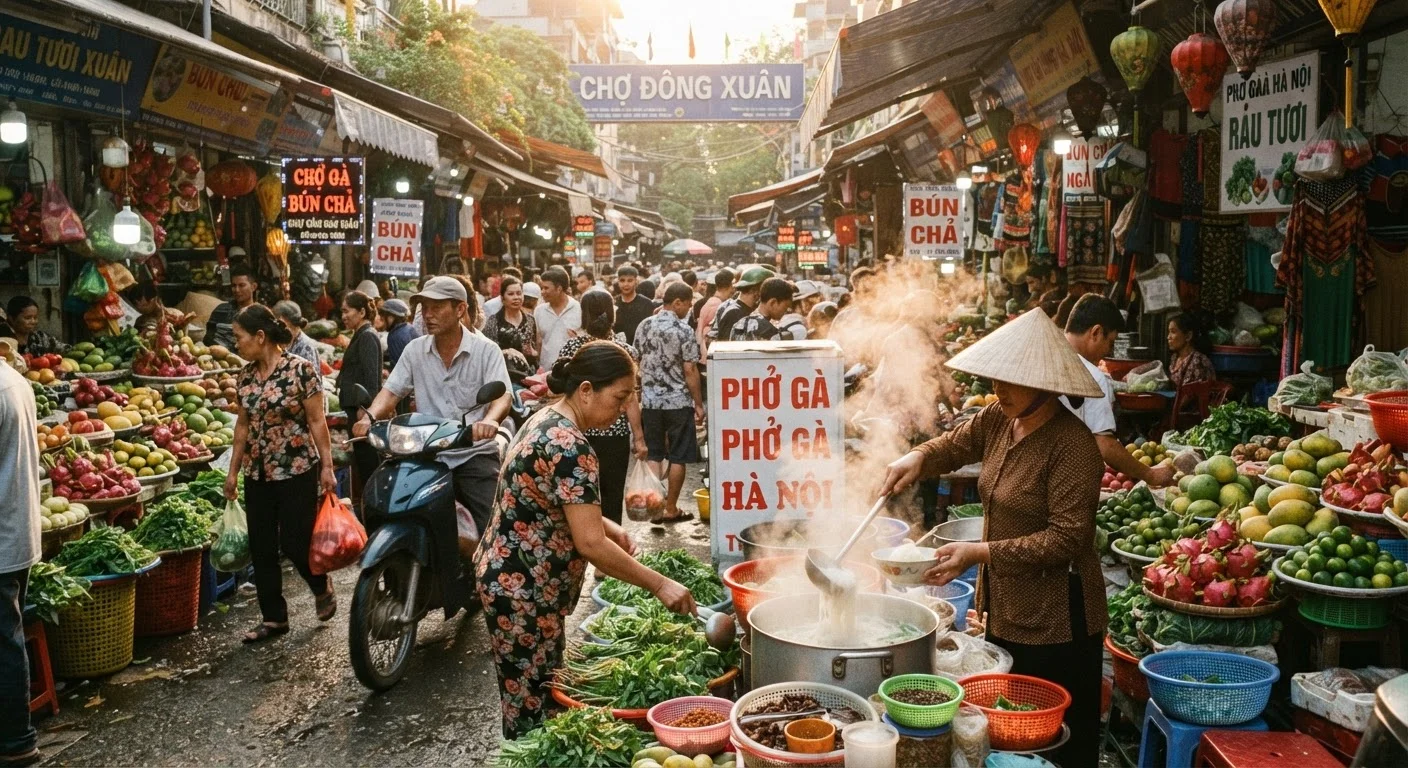
Photo: ArticleHood.com | Precision In Every Word editorial
Key Takeaways
- No cuisine is static - dishes evolve constantly through trade, migration, and cultural exchange.
- Tourist-facing restaurants are not automatically inauthentic; locals often eat there too.
- Regional variation within a single country can be more dramatic than variation between countries.
- Street food and home cooking represent different, equally valid expressions of a food culture.
- Seeking 'authentic' food is worthwhile - but approaching it with flexibility leads to richer discoveries.
The Authenticity Trap
Every seasoned traveler has felt the pull: the desire to eat where the locals eat, to find the dish that hasn't been softened for foreign palates, to taste something genuinely of a place. It's one of travel's most compelling promises. But the word "authentic" carries a surprising amount of baggage - and unpacking it can actually make your food experiences richer, not more disappointing.
The myths around authentic local food are deeply embedded in travel culture. They shape how guidebooks are written, how tours are marketed, and how travelers judge their own experiences. Separating the romance from the reality doesn't diminish the joy of eating your way through a destination - it sharpens it. For a closer look at how tour marketing language can shape expectations, see how operators describe experiences vs. what they deliver.
Myth
If a restaurant is popular with tourists, the food can't be authentic.
Fact
Popularity with visitors doesn't strip a dish or kitchen of its cultural legitimacy - locals often eat at the same places.
The logic seems reasonable: if tourists love it, locals must have abandoned it. But in practice, many beloved local institutions become popular with visitors because they are genuinely good and culturally rooted. A family-run trattoria in Bologna or a hawker stall in Penang doesn't change its recipes the moment foreign customers arrive. What matters more is whether the kitchen has maintained its standards and sourcing - not who's sitting at the tables.
Myth
Authentic food means old recipes that haven't changed in centuries.
Fact
Food cultures evolve continuously; ingredients, techniques, and dishes cross borders and transform over time.
Tomatoes are foundational to Italian cooking - yet they arrived from the Americas only in the 16th century. Chili peppers are synonymous with Thai and Sichuan cuisine, but both arrived via colonial trade routes. What we think of as "traditional" is often a snapshot of a cuisine at a particular historical moment. Treating food as frozen in time misses the dynamic, living nature of culinary culture. Dishes reflect the trade routes, migrations, and political histories of the people who cook them - and that's precisely what makes them interesting.
Myth
Street food is always more authentic than restaurant food.
Fact
Street food and restaurant cooking are different expressions of a food culture, not a hierarchy of authenticity.
Street food is often extraordinary - immediate, economical, and rooted in daily life. But elevating it as the only "real" food experience can lead travelers to dismiss outstanding restaurant kitchens, overlook home cooking traditions entirely, and romanticize conditions that local workers themselves may find challenging. A celebratory home-cooked meal, a regional fine-dining kitchen preserving nearly-lost techniques, and a night market noodle stand can all be genuinely authentic in their own contexts.
Myth
A dish tastes the same across an entire country.
Fact
Regional variation within a single country is often more dramatic than variation between neighboring countries.
Consider barbecue in the United States, curry across India, or pasta shapes in Italy: the differences between regions can be as profound as differences between neighboring nations. Travelers who try one version of a dish in one city and consider themselves to have experienced it often miss the broader story. Part of the pleasure of returning to a country - or traveling more slowly within it - is discovering just how much a single "national" dish can vary by region, season, and cook.
Myth
Eating authentically means avoiding any dish influenced by other cultures.
Fact
Cultural exchange is the engine of culinary history - nearly every beloved dish has mixed origins.
Fusion is not a modern invention. Mole in Mexico layers Indigenous and Spanish influences. Japanese ramen draws from Chinese noodle traditions. Peruvian ceviche evolved through Indigenous, Japanese, and Spanish culinary contact. The attempt to find a dish with a single, pure cultural origin is largely a fiction. What makes a dish meaningful to a community is not its purity but its place in daily life, celebration, and memory - all of which transcend ingredient origin stories.
What 'Local' Really Looks Like on the Ground
Even when travelers manage to escape tourist-facing restaurants, they often discover that "local food" is not a single, unified thing. A city neighborhood, a rural village, and a coastal town within the same country may share almost nothing on the plate. Street stalls, home kitchens, celebratory banquets, and quick workday lunches all represent legitimate - and different - expressions of a food culture.
195+
Countries with distinct regional food traditions
Food scholars and anthropologists widely note that meaningful culinary variation exists not just between countries but between regions, cities, and even neighborhoods within a single nation.
~1 in 3
Travelers who cite food as a primary trip motivator
Research from the World Food Travel Association has consistently found that a significant share of leisure travelers consider culinary experience a major factor in destination choice.
The most memorable food moments in travel rarely come from ticking the "authentic" box. They come from genuine curiosity: asking what someone is eating before ordering the same, wandering a market without a destination in mind, or saying yes to an unfamiliar ingredient. If you're interested in building a trip around food as a deep cultural interest rather than a checklist, planning a trip around a single cultural interest offers a thoughtful framework for doing exactly that.
Authenticity Expectations Can Narrow Your Experience
Authenticity, ultimately, is less a fixed destination and more a quality of attention. The traveler who eats with genuine curiosity - willing to be surprised, willing to be wrong about what they expected - tends to come away with the most honest experience of a place's food culture. That's a standard any of us can meet, no special insider knowledge required.
The content on this site is for informational purposes only and is not a substitute for professional advice. Always consult a qualified professional for guidance specific to your situation.