
Carry-On vs. Checked Luggage: Choosing the Right Approach for Your Trip

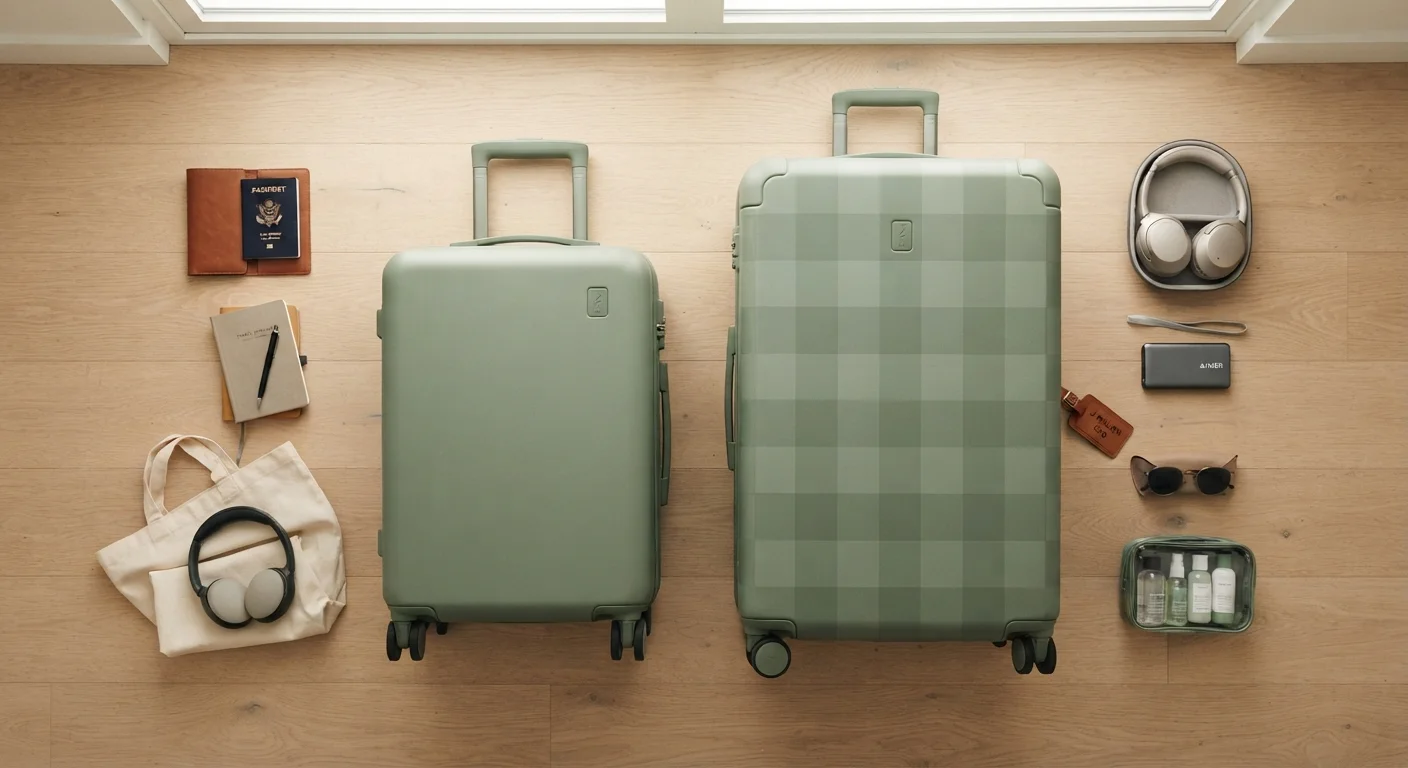
Photo: ArticleHood.com | Precision In Every Word editorial
Key Takeaways
- Carry-on bags save time and baggage fees but impose strict size and liquid restrictions.
- Checked luggage offers more packing freedom but adds cost, wait time, and a small risk of loss or delay.
- Trip length, destination type, and airline policy are the three biggest factors in the decision.
- Many travelers combine both approaches - a carry-on for essentials, checked bag for bulk items.
- Budget airlines often charge for both carry-ons and checked bags, so always verify fees before you fly.
Why the Choice Matters More Than You Think
Most travelers treat the carry-on vs. checked bag decision as an afterthought - something to sort out the night before departure. But it shapes nearly every stage of your trip, from how much you pay at booking to how quickly you clear the airport on arrival. Get it right and travel feels frictionless. Get it wrong and you're paying surprise fees at the gate, wrestling an overstuffed bag into an overhead bin, or waiting at a baggage carousel when you'd rather be checking into your hotel.
The good news is that the decision follows a clear logic once you know what to weigh. Before you start packing, it helps to have already worked through your full pre-departure checklist, since luggage strategy connects directly to documents, health supplies, and gear you may or may not need to bring.
| Criterion | Carry-On Luggage | Checked Luggage |
|---|---|---|
| Baggage fees | Often free (varies by airline) | $30-$40+ per bag each way |
| Size & weight limits | Strict (typically 22x14x9 in.) | More generous (up to 50 lbs) |
| Liquids restrictions | Yes - TSA 3-1-1 rule applies | No liquids restrictions |
| Airport wait time | Minimal - no carousel wait | 20-45 min on arrival |
| Risk of loss or delay | Stays with you at all times | Small but real risk of misrouting |
| Packing capacity | Suits trips up to ~5 days | Suits extended or complex trips |
| Specialty items (gear, formal wear) | Difficult or impossible to fit | Straightforward to pack |
The Real Costs: Fees, Time, and Risk
Cost is rarely just about the baggage fee line on your ticket. Checked bags at major US carriers typically run between $30 and $40 per bag each way for the first checked bag, though elite frequent flyers and co-branded cardholders often receive waivers - always verify your specific situation directly with the airline before assuming coverage applies.
Budget carriers complicate things further. Some charge for carry-ons above a personal item size, meaning the cost calculus shifts entirely. If your itinerary includes a low-cost leg, a bag that fits under the seat in front of you may be the only truly free option.
$30-$40
Typical first checked bag fee (each way)
Major US carriers generally charge in this range for the first checked bag, with fees rising for additional or overweight bags.
~1%
Baggage mishandling rate industry-wide
According to the SITA Baggage IT Insights report, global baggage mishandling rates have declined significantly over the past decade but have not reached zero.
20-45 min
Average baggage carousel wait on arrival
Wait times vary by airport size, time of day, and staffing levels - international arrivals and peak travel periods typically trend toward the longer end.
Beyond fees, time is a genuine cost. Checking a bag typically adds 20 to 45 minutes on arrival - longer at busy international airports or during peak travel periods. On a two-hour domestic flight, that wait can represent a significant fraction of your total travel day. Travelers who consistently underestimate transit time often find that checked baggage turns a manageable layover into a near-miss.
Then there's the small but real risk of delayed or lost bags. Airlines do misroute luggage, particularly on tight connections or during irregular operations. Travelers carrying irreplaceable items - medications, formal attire for a wedding, expensive camera gear - should think carefully about whether those items belong in checked luggage at all.
Packing Strategy: What Fits and What Doesn't
The standard US carry-on allowance for most major carriers is a bag no larger than 22 x 14 x 9 inches, though this varies by airline and aircraft type. The TSA's 3-1-1 liquids rule - containers of 3.4 ounces or less, in a single quart-sized bag - applies to all carry-on luggage and catches many travelers off guard when they try to bring full-size toiletries.
Checked luggage removes those liquid restrictions and adds meaningful space, but it also adds weight considerations. Most airlines allow up to 50 pounds per checked bag before overweight fees kick in, which can be steep. Travelers who pack heavy and then shop abroad often return home facing unexpected surcharges.
Experienced packers often find the sweet spot in a hybrid approach: a carry-on for daily essentials, a personal item (like a tote or small backpack) for valuables and in-flight needs, and a checked bag only when the trip genuinely demands it. For deeper guidance on making the most of whatever bag you bring, explore packing strategies that frequent travelers rely on.
A Note on Airline Size Enforcement
Making the Final Call
The right luggage approach ultimately comes down to three variables: how long you're traveling, where you're going, and which airlines you're flying. A four-day city break with a single itinerary almost always suits carry-on travel. A two-week trip across multiple climates, or any journey requiring formal attire or specialty gear, typically warrants a checked bag.
Your travel style matters too. Solo travelers moving independently through flexible itineraries often find carry-on travel liberating - it keeps them nimble and unconstrained. Families or group travelers, by contrast, may find the logistics of everyone traveling carry-on-only more trouble than the baggage fees are worth. For a broader look at how travel style shapes planning decisions, compare how solo and group travel differ in practice.
Whatever you choose, verify your airline's current size and fee policies directly before you fly - these rules shift regularly, and the gate is not the place to find out you've miscalculated.
The content on this site is for informational purposes only and is not a substitute for professional advice. Always consult a qualified professional for guidance specific to your situation.