
Car Battery Life: What Drains It Faster and How to Extend It

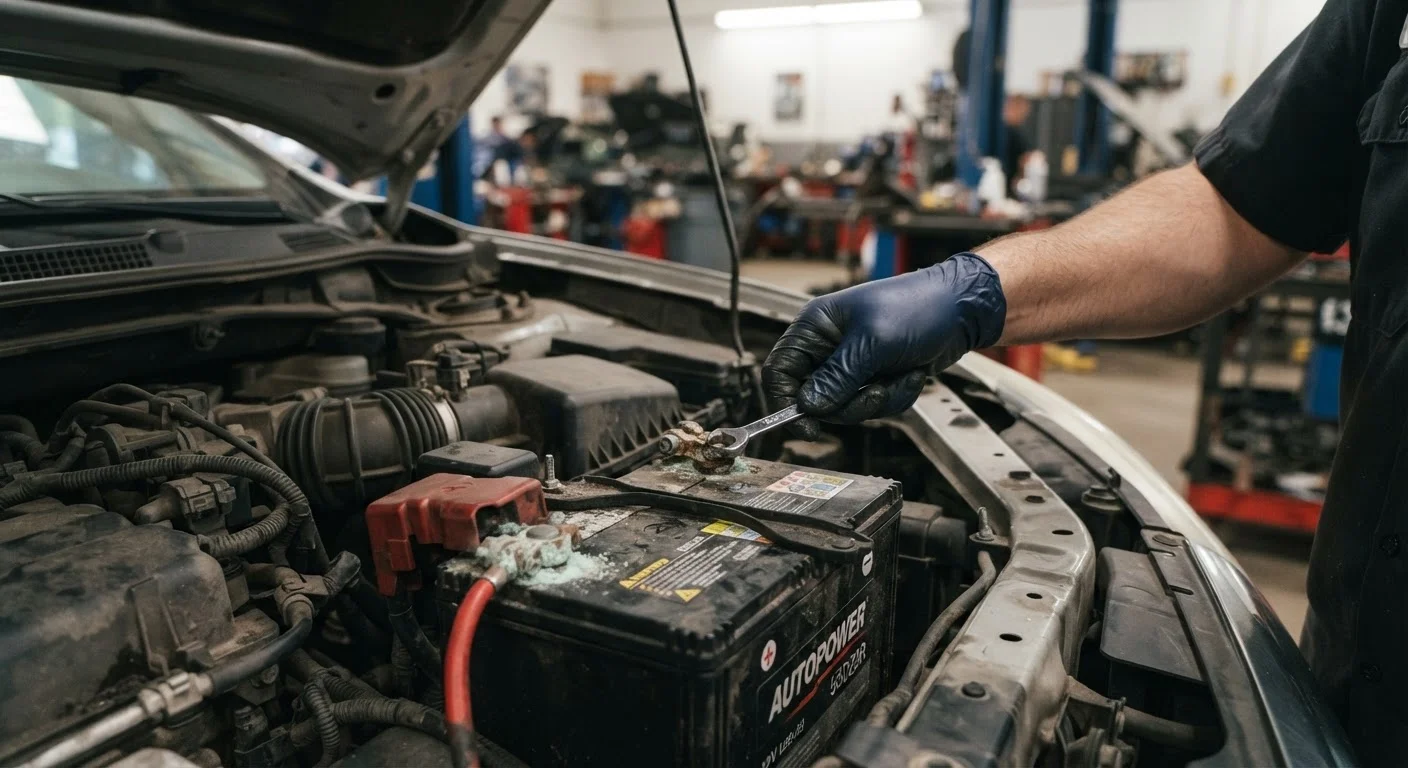
Photo: ArticleHood.com | Precision In Every Word editorial
Key Takeaways
- Most car batteries last three to five years, but driving habits and climate can shorten that considerably.
- Short trips, extreme temperatures, and parasitic drains are among the most common causes of early battery failure.
- Regular visual checks of terminals and a periodic load test can catch problems before you're stranded.
- Turning off accessories before shutting off the engine is one of the simplest ways to reduce battery strain.
How Long Should a Car Battery Actually Last?
A standard lead-acid car battery is generally rated for three to five years of service under typical driving conditions. That range isn't a guarantee - it's a starting point shaped by how you drive, where you live, and how well you maintain the vehicle overall. As part of keeping vehicle running costs under control, the battery is one of the easier components to monitor yourself.
The battery does more than start the engine. It powers the vehicle's electronics when the engine is off and buffers electrical loads while driving. When it begins to weaken, the first signs are often subtle - a slightly slower crank at startup, dimming interior lights, or electronics that reset unexpectedly.
3-5 years
Typical car battery lifespan
AAA research has consistently found that most car batteries reach the end of reliable service between three and five years, with warmer climates often shortening that range.
~1 in 5
Batteries found weak during testing
AAA has reported that roughly one in five batteries tested during vehicle inspections showed signs of weakness or impending failure, often without visible symptoms.
What Drains a Car Battery Faster Than Normal
Several common habits and conditions accelerate battery wear without drivers realizing it.
- Short trips: Each startup draws a large current from the battery, and the alternator needs time driving at speed to recharge it. Frequent short errands - under 10-15 minutes - can leave the battery in a chronic state of partial discharge, which shortens its life.
- Extreme temperatures: Heat accelerates internal corrosion and fluid evaporation inside the battery. Cold weather thickens engine oil, demanding more from the battery at startup while also reducing its available capacity. Both extremes are damaging.
- Parasitic drain: This refers to electrical current drawn from the battery when the car is off - from a faulty relay, an interior light left on, or an aftermarket accessory improperly wired. Even a small continuous drain can fully discharge a battery overnight.
- Age-related sulfation: Over time, lead sulfate crystals build up on the battery plates, reducing capacity. A battery that sits discharged for extended periods sulfates faster.
Skipping routine maintenance elsewhere in the vehicle can compound battery stress - a worn alternator belt, for instance, means the alternator can't charge the battery properly.
Spot Parasitic Drain Early
Best Practices for Extending Battery Life
None of these habits require tools or mechanical know-how. They're simply behaviors that reduce unnecessary strain on a component your car depends on every single day.
Take longer drives regularly to give the alternator time to fully recharge the battery.
Turn off all accessories - lights, fans, radio - before shutting off the engine.
Inspect battery terminals every six months for corrosion and clean them if needed.
Have the battery load-tested around the three-year mark, even if it seems fine.
Use a battery maintainer if the vehicle sits unused for more than two weeks.
Quick Actions You Can Take Right Now
You don't need a mechanic's appointment to start protecting your battery today. A few immediate steps can make a measurable difference.
For a useful comparison, consider how laptop batteries handle charging cycles - many of the same principles around partial discharge and heat apply across battery chemistry types, even if the specifics differ.
The content on this site is for informational purposes only and is not a substitute for professional advice. Always consult a qualified professional for guidance specific to your situation.