
Motorway Driving for the First Time: A Calm, Practical Walkthrough

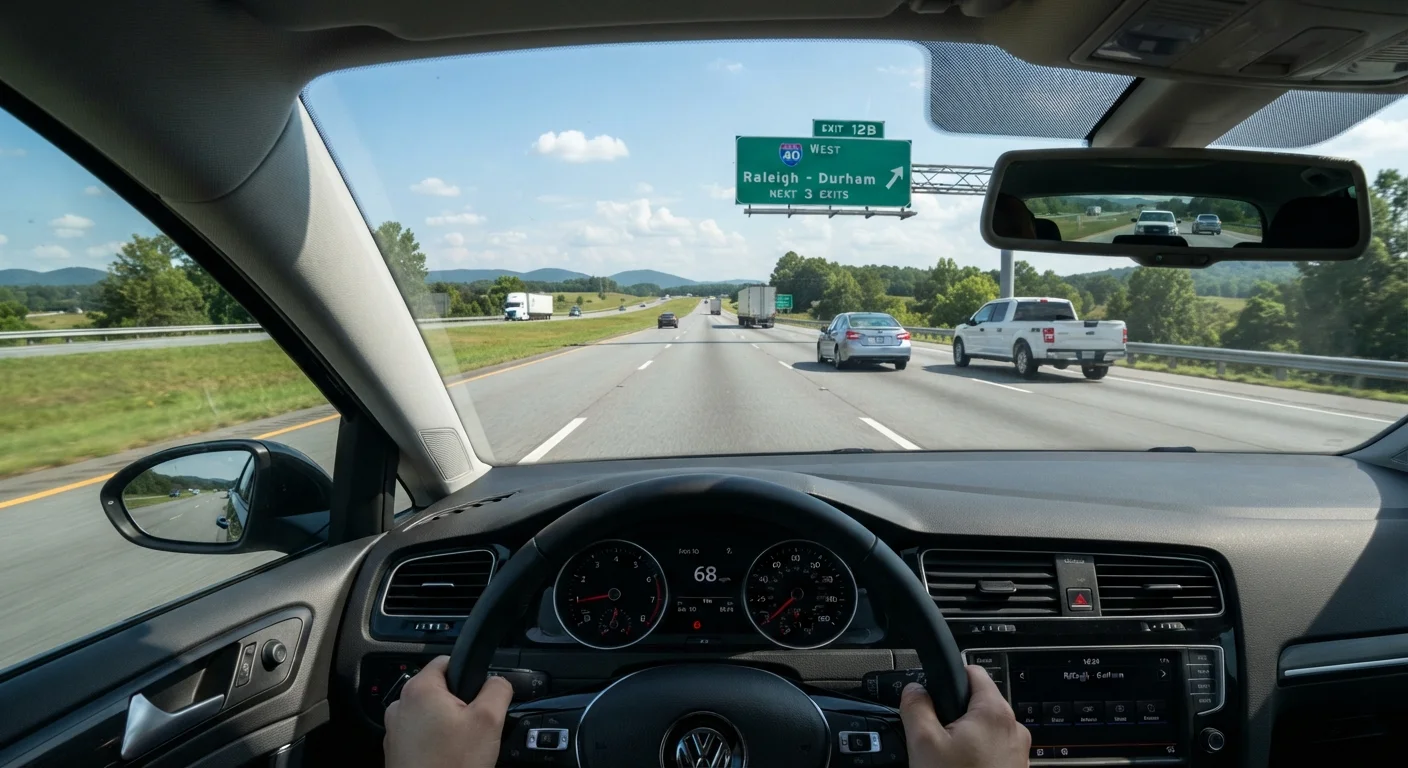
Photo: ArticleHood.com | Precision In Every Word editorial
Key Takeaways
- Motorways move fast - build your speed on the on-ramp before merging with traffic.
- Stay in the right-most driving lane when not overtaking; only move left to pass.
- Keep at least a two-second gap from the car ahead, more in wet or poor conditions.
- Watch for countdown markers well before your exit so you don't overshoot.
- Tiredness at motorway speeds is serious - take a break every two hours.
What Makes Motorway Driving Different
Motorways - called highways or freeways in the US - are built for sustained, high-speed travel. There are no traffic lights, no cross traffic, and no pedestrians. What you do have is vehicles moving at 55-75 mph (or more), with relatively little margin for hesitation or error. That's not said to intimidate you; it's just the reality that makes preparation worthwhile.
The core difference from city driving is consequence speed. A misjudgment at 25 mph and one at 70 mph are entirely different propositions. Your reaction time matters more, your following distance needs to be longer, and your attention has to stay wider - scanning ahead, watching your mirrors, and monitoring the behavior of vehicles around you simultaneously.
For a broader comparison of how driving habits need to shift between environments, see how motorway and urban driving demand different skills.
On-ramp
The short acceleration lane that connects a surface road to a motorway, giving drivers space to build speed before merging.
Lane discipline
The practice of staying in the correct lane for your speed and only using passing lanes when overtaking another vehicle.
Two-second rule
A method of measuring safe following distance: at least two seconds should pass between when the car ahead passes a fixed point and when you reach the same point.
Blind spot
The area to the side and rear of your vehicle that your mirrors don't cover; always check by briefly looking over your shoulder before changing lanes.
Off-ramp
The exit lane that branches away from the motorway, allowing drivers to slow down without disrupting through traffic.
Before You Pull onto the On-Ramp
First-time motorway drives go better when the car and driver are both ready. Run through these before you set off:
- Tire pressure and tread: Sustained high-speed driving puts more stress on tires than stop-start city traffic. Check pressure when the tires are cold. If you're unsure what to check, this guide to basic car maintenance covers the essentials.
- Fuel level: Don't plan a motorway run on a near-empty tank. Service areas can be spaced well apart.
- Mirrors adjusted: Seat position, side mirrors, and rearview mirror should all be set before you leave your driveway - not while accelerating down an on-ramp.
- Route familiar: Know your exit number before you pull in. Looking at a phone while driving at speed is not an option.
Choose your timing deliberately. Rush hour adds pressure you don't need on your first run. A mid-morning drive on a Tuesday is a very different experience from a Friday afternoon.
Pick a Low-Pressure Route for Your First Run
Merging, Lane Discipline, and Speed
The on-ramp exists for one purpose: to give you room to match the speed of motorway traffic before you join it. Use all of it. Check your mirrors and blind spot, signal, find a gap in the right-most travel lane, and merge smoothly. If no gap exists, adjust your speed on the ramp - but avoid coming to a complete stop unless absolutely forced to.
Once on the motorway, stay in the right-most travel lane (the lane nearest the shoulder) unless overtaking. The left lanes - or center and right on a three-lane road - are for passing only. Sitting in the passing lane at speed limits is illegal in many states and creates the kind of frustration that leads to aggressive driving. See our piece on road rage and how lane behavior contributes to it for context.
Speed: obey posted limits. Traffic moving faster around you doesn't change your legal obligation. Cruise control can help you hold a steady speed without creeping up unintentionally - a common issue for new motorway drivers who aren't used to sustained velocity.
Never Stop on an Active On-Ramp
Staying Safe While You're Out There
Two disciplines cover most of what keeps you safe at motorway speeds:
Following Distance
The two-second rule is the standard minimum: pick a fixed point on the road - a sign, a bridge - and count two full seconds from when the vehicle ahead passes it to when you do. If you pass it sooner, you're too close. In rain, fog, or low visibility, extend that to four seconds or more. For detailed guidance on adjusting for weather, read how rain, fog, and ice change what your car needs from you.
Fatigue Management
Motorway driving is surprisingly tiring precisely because it looks easy. Constant vigilance at speed drains concentration faster than varied city driving. A general guideline is to take a break every two hours - stop at a rest area, get out of the car, and give your eyes a rest from the road. Drowsy driving is a serious safety risk; if you feel your focus slipping, pull off at the next safe opportunity.
Finally, keep your phone out of reach. Hands-free is legal in most states but still reduces your awareness. On a motorway, that cost is significantly higher than in slower traffic.
Exiting the Motorway Without Drama
Motorway exits are marked with countdown signs - typically appearing at one mile, half mile, and the exit itself. Watch for these well in advance. The most common first-timer mistake is missing an exit and then trying to correct by braking hard or swerving across lanes. If you miss your exit, take the next one safely and reroute.
When your exit is coming up:
- Signal and move into the exit lane early - not at the last second.
- Begin slowing on the off-ramp, not on the motorway itself. Braking on the main carriageway disrupts traffic behind you.
- Check your speedometer after exiting. After sustained high-speed travel, 40 mph can feel deceptively slow, and drivers often carry too much speed into a ramp curve or an intersection.
Once you're back on local roads, take a moment to readjust. Motorway driving and city driving require genuinely different mental modes - our complete road safety resource covers the full picture for drivers at every level. And if roundabouts or complex intersections await you at the other end of your exit, brush up on right-of-way rules before you go.
Frequently Asked Questions
The content on this site is for informational purposes only and is not a substitute for professional advice. Always consult a qualified professional for guidance specific to your situation.