
The True Cost of Owning a Car Beyond the Sticker Price

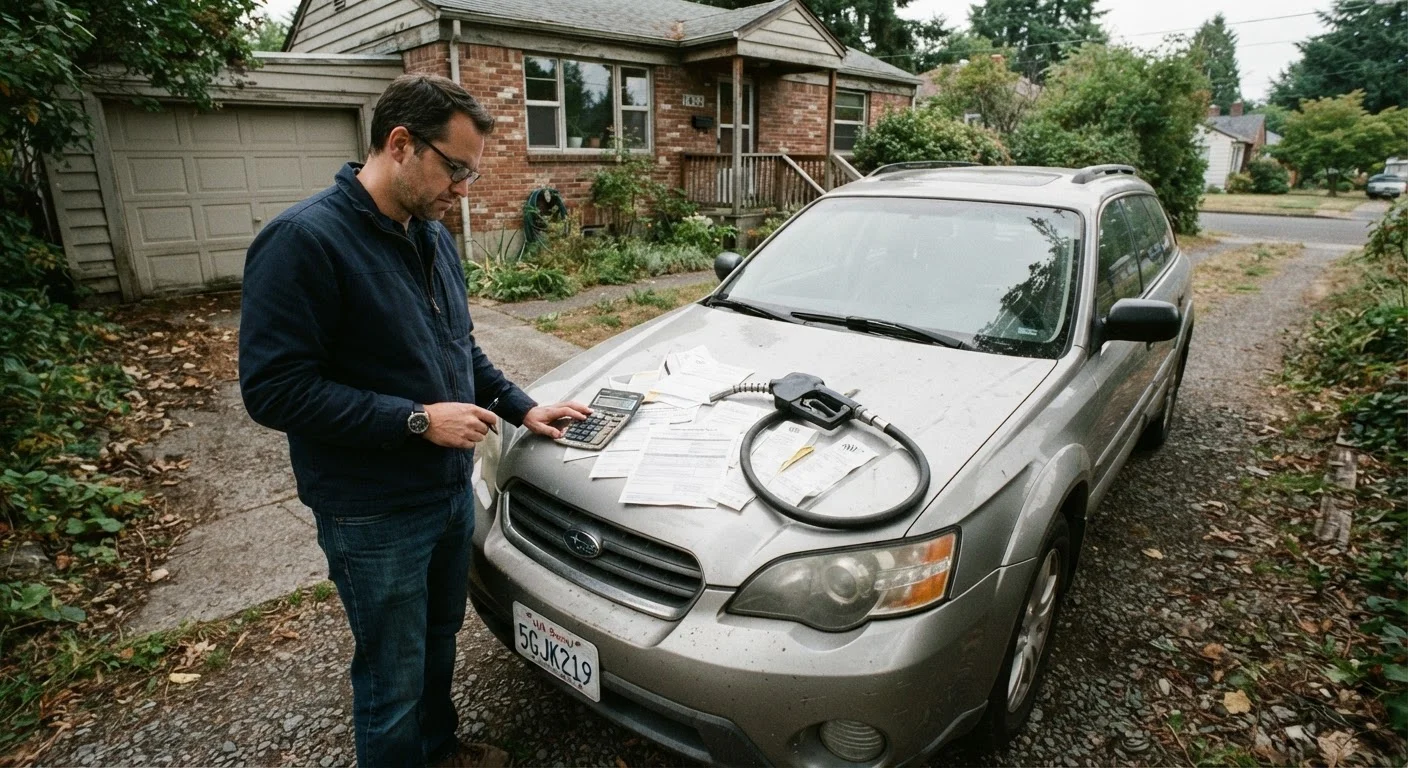
Photo: ArticleHood.com | Precision In Every Word editorial
Key Takeaways
- The purchase price typically represents less than half of what you'll spend over five years of ownership.
- Depreciation is usually the single largest cost of owning a vehicle, especially in the first few years.
- Insurance, fuel, and maintenance costs vary significantly by vehicle type, driving habits, and location.
- Understanding total ownership costs upfront helps you choose a vehicle your budget can actually sustain.
- Financing a vehicle adds interest charges that can meaningfully raise the effective price you pay.
Why the Sticker Price Is Just the Starting Line
When most people budget for a car, they focus on the monthly payment or the sale price on the window sticker. That's understandable - those numbers are front and center. But they represent only a fraction of what you'll actually spend. The real financial commitment stretches across fuel, insurance premiums, loan interest, registration, maintenance, tires, and - often most significantly - depreciation.
For a clearer picture from day one, it helps to think of vehicle ownership as a package of costs that run simultaneously. Some are predictable and monthly, others hit once a year, and some sneak up on you when a part wears out. If you're new to car ownership, our introduction to vehicle ownership is a good place to build that foundation.
~$12,000+
Estimated average annual cost of owning a new vehicle
According to AAA's annual 'Your Driving Costs' study, when all major expense categories are included for a new vehicle driven 15,000 miles per year.
~20%
Value a new car may lose in its first year
Industry data consistently shows new vehicles depreciate most steeply in early ownership, often losing a significant share of their value before the first service interval.
15,000 mi
Average annual miles driven per U.S. driver
The Federal Highway Administration uses this benchmark, which directly affects fuel, tire wear, and maintenance costs for planning purposes.
The Big Four Ownership Expenses
Depreciation
Depreciation is the cost you rarely see on a bill, but it's typically the largest single expense of owning a car. New vehicles can lose a substantial portion of their value in the first three years. If you buy a vehicle for $35,000 and sell it five years later for $18,000, that $17,000 difference is a real cost - just one you pay gradually and invisibly.
Fuel
How much you spend on gas depends on your vehicle's fuel economy, how far you drive, and local prices. A truck or large SUV covering 15,000 miles per year will consume dramatically more fuel than a compact car on the same route. Fuel costs are one of the most controllable variables in your ownership budget.
Insurance
Auto insurance is legally required in nearly every U.S. state, and premiums vary widely based on your driving record, age, location, and the vehicle itself. Comprehensive coverage on a newer or financed vehicle adds cost but protects against theft, weather, and accident damage. Shopping your coverage at renewal is one of the most straightforward ways to manage this expense over time.
Maintenance and Repairs
Routine upkeep - oil changes, tire rotations, brake pads, filters - keeps a vehicle reliable and prevents more expensive failures down the road. These costs are relatively predictable. Unplanned repairs are not. Older vehicles tend to need more of both. For guidance on staying ahead of expenses, see our article on keeping running costs under control.
Calculate Cost Per Mile Before You Buy
Financing, Fees, and the Costs Nobody Budgets For
If you finance your vehicle, the interest paid over the loan term is a real addition to your purchase price. On a five-year loan at a meaningful interest rate, you may pay thousands of dollars above the sale price before you own the car outright. This is one reason the choice between buying and leasing deserves careful thought - both paths carry distinct financial trade-offs.
Beyond financing, annual registration fees, state or local taxes, emissions testing, parking permits, and tolls all add to the total. These amounts vary considerably by state and city. Some of these costs are easy to forget when you're focused on a car payment, but they're consistent and unavoidable. Our overview of costs that quietly drive up vehicle expenses breaks many of these down in practical terms.
The decision between buying new or used also shapes the total cost picture considerably - particularly around depreciation speed, warranty coverage, and financing rates. For a comprehensive look at every financial stage from purchase to sale, the complete financial picture of vehicle ownership is worth reading before you commit to any vehicle.
Costs Vary Significantly by State and City
Frequently Asked Questions
The content on this site is for informational purposes only and is not a substitute for professional advice. Always consult a qualified professional for guidance specific to your situation.