
A Plain-Language Guide to Food Additives and Preservatives

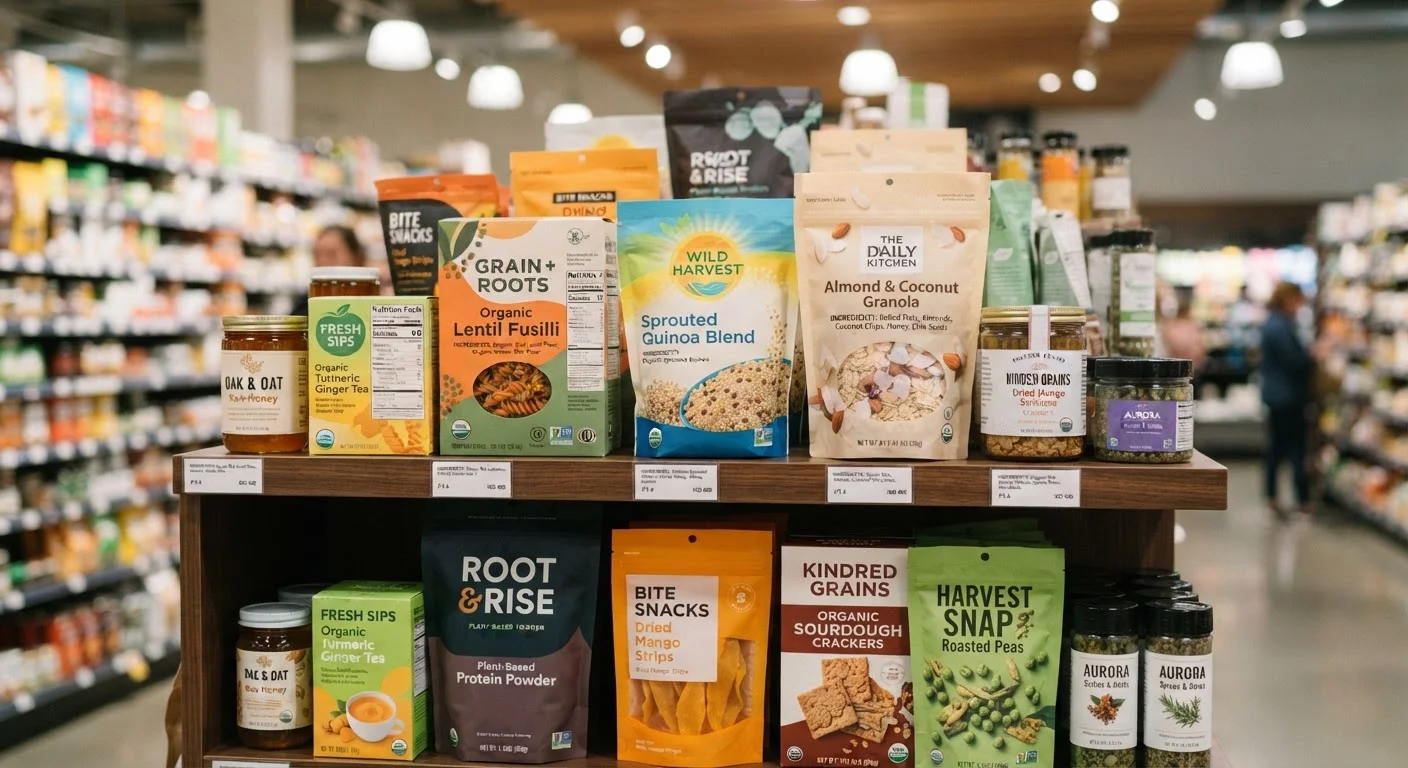
Photo: ArticleHood.com | Precision In Every Word editorial
Key Takeaways
- Food additives serve specific technical purposes - preservation, texture, colour, or flavour - and are not arbitrary additions.
- In the US, additives must be approved by the FDA or meet a "generally recognized as safe" (GRAS) standard before use in food.
- Ingredient lists follow strict labeling rules: additives must be named by function and identity so consumers can identify them.
- Many additives are derived from natural sources; "natural" versus "synthetic" does not automatically determine safety or health impact.
- Most people consume additives at levels well below those established as safe, but individual sensitivities do exist for some substances.
- Reading ingredient lists with a basic framework makes packaged food far less mysterious - and more comparable across products.
What Are Food Additives, Exactly?
A food additive is any substance intentionally added to food during processing, packaging, or storage to achieve a specific technical effect - extending shelf life, improving texture, enhancing flavor, or maintaining color. The term covers a remarkably wide range: from table salt (a classic preservative) to lecithin (an emulsifier found in countless products) to ascorbic acid (vitamin C, used as an antioxidant).
What additives are not are random fillers. Every approved additive has a defined purpose, and regulations require that purpose to be declared on the ingredient list. Understanding the basic framework - what additives do and why they're used - is the first step to reading a package without anxiety.
Food additive
Any substance intentionally introduced into food to serve a specific technical purpose, such as preservation, texture improvement, or color stabilization.
Preservative
A substance that slows spoilage by inhibiting the growth of bacteria, mold, or yeast, extending a food product's shelf life.
Emulsifier
An additive that helps oil and water mix together smoothly, preventing separation in products like salad dressings, mayonnaise, or chocolate.
GRAS
Stands for 'Generally Recognized as Safe' - an FDA designation for substances considered safe based on scientific consensus or a long history of common, safe food use.
Antioxidant (food use)
In food chemistry, an antioxidant is an additive that prevents fats and oils from reacting with oxygen and turning rancid, extending freshness.
Flavor enhancer
A substance that amplifies or rounds out the existing flavors in a food without contributing a strong flavor of its own - MSG is the most well-known example.
The Main Categories of Additives
Additives are grouped by their function. Here are the categories you'll encounter most often:
- Preservatives slow spoilage caused by bacteria, mold, and yeast. Common examples include sodium benzoate, potassium sorbate, and nitrites used in cured meats.
- Antioxidants prevent fats and oils from going rancid by inhibiting oxidation. Ascorbic acid (vitamin C) and tocopherols (vitamin E forms) are two well-known examples.
- Emulsifiers help oil and water mix - without them, your salad dressing would separate instantly. Lecithin, derived mainly from soy or sunflower, is among the most widely used.
- Stabilizers and thickeners give products a consistent texture. Xanthan gum, carrageenan, and guar gum fall into this group.
- Colorings restore or add color lost during processing, or make a product more visually appealing. They may be synthetic (e.g., Red 40) or derived from natural sources (e.g., beet juice extract).
- Flavor enhancers amplify existing tastes without adding a distinct flavor of their own. Monosodium glutamate (MSG) is the most recognized example.
- Sweeteners provide sweetness with fewer or no calories. This category includes both sugar alcohols (like sorbitol) and high-intensity sweeteners (like sucralose).
For a broader look at how ingredients are named and organized on packaging, see the guide to reading ingredient lists on our site.
A Simple Rule for Comparing Products
How Additives Are Regulated in the US
In the United States, the Food and Drug Administration (FDA) oversees food additive safety. Before a new additive can be used, a manufacturer must demonstrate to the FDA that it is safe at the intended levels of use - a process backed by toxicology, chemistry, and consumption-pattern data.
A parallel designation, GRAS (Generally Recognized as Safe), applies to substances whose safety is considered established either through scientific consensus or a long history of safe use in food. Common examples include vinegar, salt, and many spices. GRAS status does not mean unregulated - it means the safety evidence is already well-established.
The EU Uses a Different System
Importantly, approved use levels are set well below amounts that cause harm in safety studies, providing a built-in margin. Regulations are also reviewed and updated as new evidence emerges. For context on how food labels as a whole are structured, our article on what food labels are actually telling you covers the full regulatory picture.
How to Spot Additives on an Ingredient List
US regulations require that every ingredient - including additives - appear on the label by its common or usual name, listed in descending order by weight. For additives, the function is often included alongside the name in parentheses, making identification easier once you know what to look for.
For example, you might see: "calcium propionate (preservative)" or "soy lecithin (emulsifier)." When you see a multi-word chemical name followed by a function label in parentheses, that's almost always an additive declaration.
A few practical reading tips:
- Long ingredient lists don't automatically mean unhealthy - context matters. A multigrain bread with 20 ingredients may be nutritionally solid; a short-list snack may be mostly sugar.
- Additives near the end of the list are present in very small amounts by weight.
- Umbrella terms like "spices" or "natural flavors" are permitted and may cover multiple compounds without naming each one individually.
Pairing this knowledge with a solid understanding of the numbers panel itself is even more useful - our plain-language nutrition label guide walks through every section step by step.
Common Questions and Misconceptions
A few persistent myths are worth addressing directly:
"Natural means safe, synthetic means harmful." This is an oversimplification. Safety depends on the substance, the dose, and the individual - not the source. Naturally derived additives can cause reactions in sensitive people, and many synthetic additives have decades of safe use behind them.
"If I can't pronounce it, it's dangerous." Pyridoxine hydrochloride is vitamin B6. Cyanocobalamin is vitamin B12. Unfamiliar names reflect chemistry nomenclature, not toxicity.
"Preservatives are why food stays fresh forever." Preservatives slow microbial growth - they don't make food immortal. Proper storage, packaging, and processing all contribute to shelf life.
Individual sensitivities are real, however. Sulfites can trigger reactions in people with sulfite sensitivity, particularly those with asthma. Some colorings have been studied for effects on children's behavior. If you suspect a specific additive affects you or a family member, that's a conversation worth having with a healthcare professional - not a reason to panic about every package.
For readers interested in trending diet products that often introduce unfamiliar ingredients, our fad diet ingredients glossary provides plain-language explanations of many commonly marketed substances.
This article is for general informational and educational purposes only and is not a substitute for advice from a qualified healthcare professional or registered dietitian. If you have specific dietary concerns or suspect a food sensitivity, consult a qualified professional.
Frequently Asked Questions
The content on this site is for informational purposes only and is not a substitute for professional advice. Always consult a qualified professional for guidance specific to your situation.