
Plants as Décor: What Works in Low-Light Homes

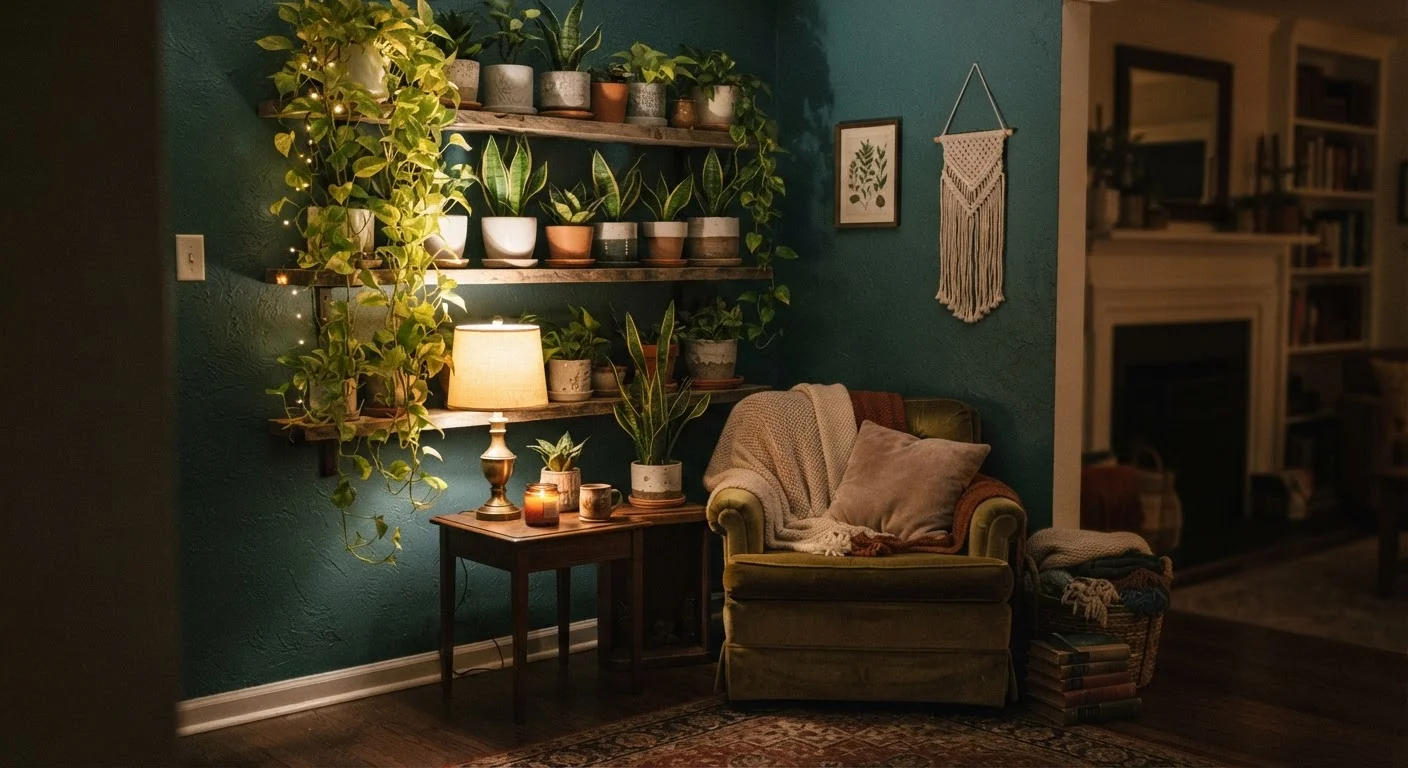
Photo: ArticleHood.com | Precision In Every Word editorial
Key Takeaways
- Several houseplants thrive in low-light conditions and can serve as genuine design focal points.
- Plant placement, pot selection, and grouping strategies all affect how plants read visually in a room.
- Supplemental grow lights can extend your options without sacrificing the look of a well-decorated space.
- Healthy plants require consistent, appropriate care - even shade-tolerant varieties need some indirect light.
- Combining plants of varying heights and leaf textures adds depth and visual interest to dim rooms.
Making Plants Work When Light Is Scarce
Not every home is flooded with natural light. North-facing apartments, rooms with small windows, and interior spaces can feel dim for much of the day - and that can make decorating with plants feel like a guessing game. Yet some of the most striking plant-filled interiors belong to homes that receive very little direct sun.
The key is understanding that low-light doesn't mean no-light, and that plant selection, placement, and styling all play a role in making greenery feel intentional rather than accidental. Whether you're working with a single corner or an entire room, the strategies below will help you use plants as real design elements - not just afterthoughts.
For broader context on layering your décor, it's worth reviewing how ambient, task, and accent lighting work together - artificial light sources can meaningfully affect how your plants look after dark.
Choose plants known to tolerate low light
Start with species that genuinely perform in low-light conditions rather than simply surviving. Pothos (Epipremnum aureum), ZZ plants (Zamioculcas zamiifolia), cast iron plants (Aspidistra elatior), and snake plants (Dracaena trifasciata) are widely recognized as reliable in dim interiors. Peace lilies can also tolerate lower light and add a refined, sculptural quality.
Be realistic: even these tolerant plants need some indirect natural light to stay healthy long-term. A room with no windows is genuinely challenging for any living plant without supplemental grow lighting.
ZZ plants and pothos are among the most reliably low-light-tolerant options for dim interiors.
Use pot and planter choice as a design statement
In a low-light room, your pot is often as visible as the plant itself - especially when foliage stays compact. Matte ceramic planters in earthy tones, stone-effect pots, or woven basket covers all add texture and visual weight independently of the plant. Choose containers that complement your room's existing palette rather than compete with it.
Elevating smaller plants on stools, stacked books, or purpose-built plant stands also draws the eye upward, which helps rooms feel taller and less closed-in.
A well-chosen pot contributes to a room's visual character even when the plant stays compact.
Vary plant heights for layered visual depth
A collection of identically sized plants on a single surface reads as clutter. Instead, aim for variety: a tall floor plant (like a snake plant or a corn plant), a mid-height specimen on a stand, and a trailing plant on a shelf or high surface creates a layered composition with genuine depth.
This approach works especially well in compact rooms where vertical space matters - plants at different heights draw the eye across the full height of a wall rather than anchoring it to one level.
Mixing floor, mid-height, and trailing plants turns a collection into a composed, layered display.
Supplement with a grow light that blends in
If your heart is set on a plant that needs more light than your space offers, a discreet grow light can bridge the gap. Modern grow lights are available in forms that resemble standard bulbs, pendant fixtures, or clip-on desk lamps - meaning they can integrate into your room's existing lighting scheme without looking clinical.
Look for full-spectrum bulbs designed for indoor plants. Position them so the light reaches the plant canopy rather than just grazing a leaf or two. Timer plugs can automate consistent light schedules, which plants generally respond well to.
Modern grow lights designed to blend with room fixtures let you expand your plant options considerably.
Group plants strategically, not randomly
A thoughtful grouping of three or five plants makes more of a design statement than the same plants scattered around a room. When grouping, contrast leaf shape and size - pair broad-leaved plants like pothos with finer-textured ones like ferns or nerve plants (Fittonia) to create visual interest.
Groupings also create a locally more humid microclimate, which can benefit moisture-loving species. Keep air-circulation needs in mind: plants placed too tightly together with poor airflow can become susceptible to fungal issues over time.
Grouping plants by contrasting leaf shape and size creates a display that reads as intentional design.
Lean into the mood low light creates
Rather than fighting the dimness of a space, let it inform your plant choices aesthetically. Deep green, almost black-leafed varieties like certain alocasias or the ZZ 'Raven' cultivar look particularly dramatic in low-light settings, where their dark foliage creates contrast without relying on bright colors. Trailing plants like heartleaf philodendron can spill from high shelves and add a lush, layered quality to the space.
Think of low-light rooms as having a different aesthetic register - one that suits richly textured, deeply toned plants rather than bright tropical varieties that need full sun to perform.
Dark-leafed and trailing plants often look their most dramatic in rooms with controlled, subdued light.
Pulling It All Together
Low-light homes don't have to feel flat or lifeless. With the right plant choices and a bit of design thinking, greenery can add warmth, texture, and personality to even the dimmest corners. The goal isn't to fill every surface - it's to place plants where they genuinely contribute to the room's composition.
Rotate your plants periodically
If you're unsure where plants will have the most visual impact, consider doing a quick room-by-room décor audit before adding anything new. And for ideas on grouping plants effectively, the rule of three in home styling is a principle that translates naturally to plant arrangements.
The content on this site is for informational purposes only and is not a substitute for professional advice. Always consult a qualified professional for guidance specific to your situation.