
Interior Paint Finishes Compared: Matte, Eggshell, Satin, Semi-Gloss, and Gloss

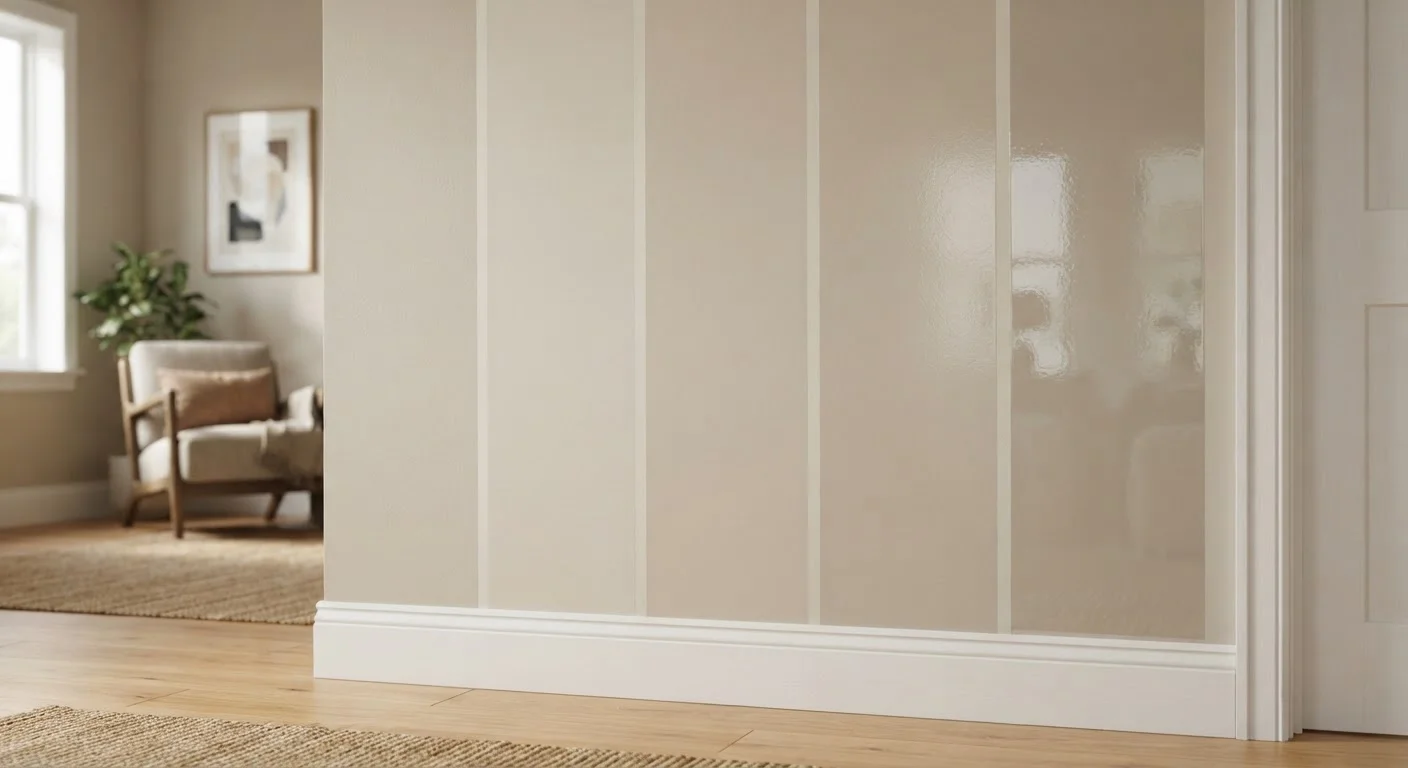
Photo: ArticleHood.com | Precision In Every Word editorial
Key Takeaways
- Matte finish hides surface imperfections well but is harder to scrub clean.
- Eggshell and satin offer a middle ground between washability and a low-key sheen.
- Semi-gloss and gloss finishes are the most durable and moisture-resistant options.
- Match the finish to the room's function - high-traffic and wet areas need more sheen.
- Surface preparation matters regardless of finish; imperfect walls show more under gloss.
Why Paint Finish Matters as Much as Color
Most homeowners spend considerable time choosing a paint color, but the finish - the level of sheen - shapes how that color looks and how the wall performs over time. A deep navy in matte looks entirely different from the same shade in semi-gloss. The finish also determines how well the surface holds up to cleaning, moisture, and everyday contact.
Paint sheen is created by the proportion of binders and resins in the formula. More resin means more light reflection, more durability, and a harder surface. Less resin produces a flat, light-absorbing finish that's forgiving of wall imperfections but less resistant to scrubbing. Understanding this trade-off is the key to choosing confidently.
For a broader look at how color interacts with light and mood, see our guide on choosing a color palette for your home.
The Five Finishes, Explained
Matte (Flat): Absorbs light rather than reflecting it. This finish is excellent at disguising drywall patches, roller marks, and minor surface irregularities, making it a practical choice for ceilings and older walls. The downside is that it's the least washable - repeated scrubbing can remove the paint itself. Reserve matte for low-traffic areas such as adult bedrooms and formal dining rooms.
Eggshell: Named for the subtle sheen of an eggshell, this finish has just enough reflectivity to be wiped down without being obviously shiny. It's a reliable all-purpose choice for living rooms and bedrooms where you want a touch more durability than flat paint provides.
Satin: Noticeably smoother and slightly glossy in raking light, satin holds up well to light scrubbing and is commonly used in hallways, children's rooms, and family spaces that see regular activity. It shows application marks (brush strokes, lap lines) more readily than lower-sheen finishes, so careful application technique helps.
Semi-Gloss: This finish is noticeably reflective and highly moisture-resistant, making it the standard choice for kitchens, bathrooms, and laundry rooms. It's also used on trim, window casings, and door frames because it contrasts well against flat or eggshell walls and cleans up easily.
Gloss (High-Gloss): The most reflective and hardest finish available. Gloss is extremely durable and the easiest to wipe down, but it broadcasts every surface flaw - nail pops, dings, and uneven texture are all magnified. It's best reserved for trim, cabinets, and accent features rather than entire walls. If your walls need preparation work first, our article on fixing patchy painted walls explains how to address imperfections before applying any finish.
| Matte | Eggshell | Satin | Semi-Gloss | Gloss | |
|---|---|---|---|---|---|
| Sheen level | None / flat | Very low | Moderate | High | Very high |
| Washability | Poor | Fair | Good | Very good | Excellent |
| Hides imperfections | Excellent | Good | Fair | Poor | Very poor |
| Moisture resistance | Low | Low-moderate | Moderate | High | Very high |
| Best surfaces | Ceilings, bedrooms | Living rooms, bedrooms | Hallways, family rooms | Kitchens, bathrooms | Trim, cabinets, doors |
| Shows application marks | Rarely | Rarely | Sometimes | Often | Very often |
How to Choose for Each Room
The practical rule is straightforward: the more moisture, traffic, or hand contact a surface sees, the higher the sheen should be. Below is a room-by-room guide.
- Ceilings: Flat or matte - sheen on ceilings accentuates imperfections and creates distracting glare.
- Bedrooms: Matte or eggshell - these rooms prioritize a calm aesthetic over scrubbability.
- Living rooms: Eggshell - durable enough for regular dust and occasional marks, soft enough to look refined.
- Hallways and stairs: Satin - these high-contact corridors benefit from a harder surface that tolerates shoulder contact and bag scuffs.
- Kitchens and bathrooms: Semi-gloss - moisture resistance and easy cleaning are non-negotiable in these spaces.
- Trim, doors, and cabinets: Semi-gloss or gloss - a higher sheen on architectural details creates a clean, intentional contrast with wall color.
Sample Before You Commit
Finish also interacts with texture - a rougher wall surface in gloss will look grainy and uneven. If texture is something you're working with intentionally, our piece on texture in home décor can help you use it effectively.
Application Tips That Apply to Every Finish
Surface preparation is the single biggest factor in a good paint outcome - more so than which finish you select. Fill holes, sand rough patches, and prime bare or repaired areas before applying any topcoat. Higher-sheen finishes in particular require smooth substrates because they reflect light directionally, meaning every bump or ridge will cast a shadow.
Maintain a wet edge when rolling or brushing to prevent lap marks, and apply two coats rather than one thick coat. Allow adequate dry time between coats as specified on the product label - rushing this step is a common cause of peeling and uneven sheen.
Don't Skip Primer on Repaired Surfaces
Finally, lighting affects how sheen reads in a room. A finish that looks pleasantly subtle under daylight may appear shinier under warm incandescent lighting. Test your chosen finish in the actual room before committing to the full job.
The content on this site is for informational purposes only and is not a substitute for professional advice. Always consult a qualified professional for guidance specific to your situation.