
Vehicle Depreciation: Why Your Car Loses Value and What Affects the Rate

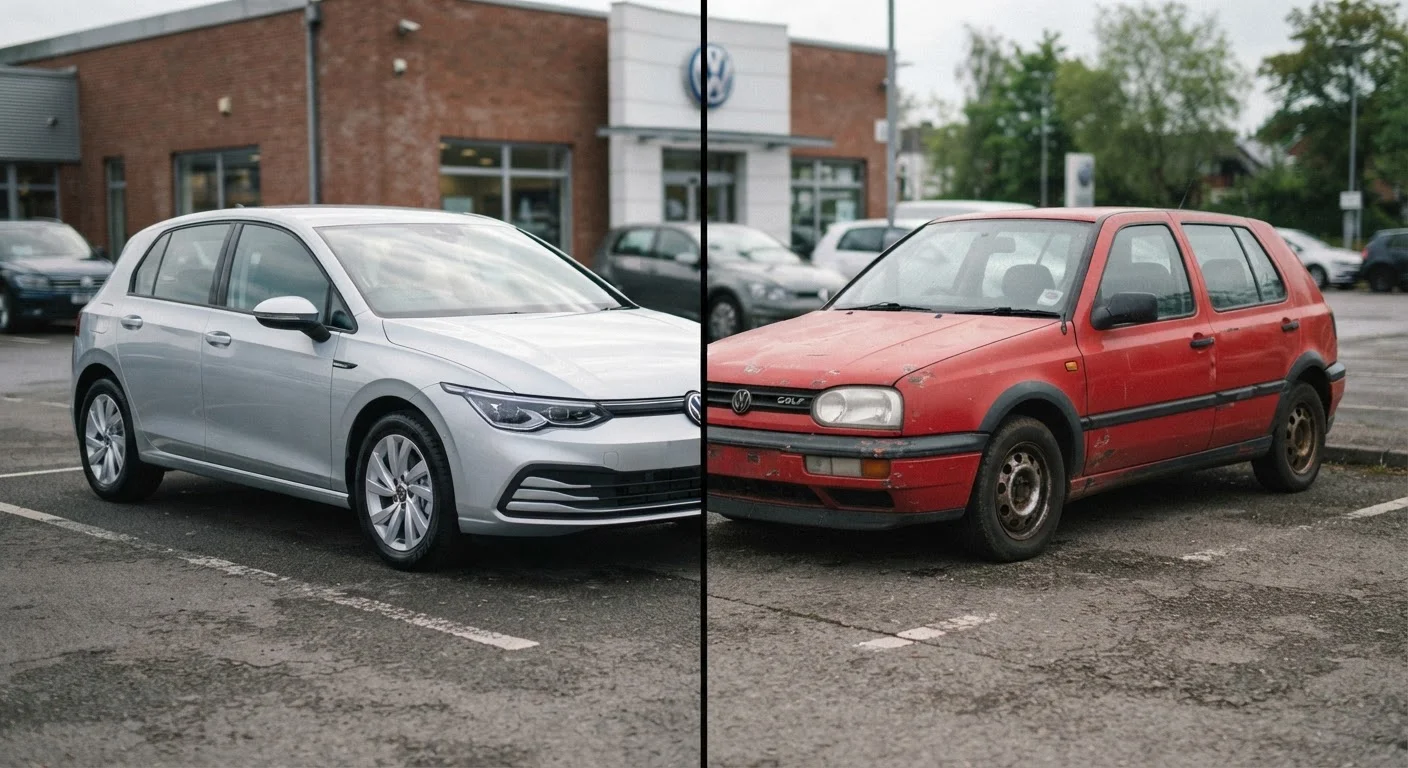
Photo: ArticleHood.com | Precision In Every Word editorial
Key Takeaways
- New cars typically lose 15-25% of their value in the first year alone.
- Mileage, condition, vehicle history, and market demand all influence how fast a car depreciates.
- Depreciation is the single largest cost of owning a car for most drivers over five years.
- Keeping up with maintenance and service records can slow the rate of value loss.
- Some vehicle types - such as trucks and certain SUVs - historically hold value better than others.
Why Cars Lose Value From Day One
The moment a new vehicle is registered in your name, it transitions from "new" to "used" in the eyes of the market. That shift alone accounts for a meaningful portion of first-year depreciation - sometimes several thousand dollars - before you've driven a single mile on the open road.
Beyond that initial drop, depreciation continues because cars are mechanical goods with finite usable lives. Parts wear, technology becomes outdated, and newer models with improved features enter the market each model year. Buyers of used vehicles factor in all of this when deciding what they're willing to pay.
Depreciation is the largest single expense most drivers face over a typical ownership period. As part of the true cost of owning a car, it often outweighs fuel, insurance, and maintenance combined over five years - yet it's the cost that tends to get the least attention because no bill arrives for it.
~20%
Average first-year new car value loss
Industry estimates commonly place new vehicle depreciation at roughly 15-25% in year one, with the exact figure varying by make, model, and market conditions.
~50%
Value remaining after five years
Many vehicles retain roughly half their original purchase price after five years of typical use, though this varies considerably by vehicle type and market demand.
#1
Largest cost of vehicle ownership
Depreciation is widely cited by automotive finance analysts as the single largest expense of owning a new car over a five-year period, exceeding fuel and insurance.
Key Factors That Affect Depreciation Rate
Not all vehicles shed value at the same pace. Several factors interact to determine how quickly a specific car loses market worth:
- Mileage: Higher mileage signals more wear and a shorter remaining useful life. A car driven 20,000 miles a year will generally depreciate faster than one driven 10,000 miles annually.
- Condition and accident history: Physical damage, even properly repaired, shows up on vehicle history reports and lowers buyer confidence. Interior wear, rust, or neglected maintenance have similar effects.
- Make, model, and reliability reputation: Vehicles with strong track records for dependability tend to retain value better in the used market because buyers are willing to pay a premium for lower risk.
- Market demand: Supply and demand dynamics influence used-car prices just as they do any other market. A vehicle type that's in high demand - pickup trucks in many U.S. regions, for example - typically depreciates more slowly.
- Technology and features: Vehicles that lack features now considered standard (modern safety tech, connectivity systems) can lose appeal more quickly as newer alternatives offer those features at comparable used prices.
- Fuel type: As the automotive landscape shifts, the depreciation curves for different powertrain types - gasoline, hybrid, electric - are still evolving and worth watching.
Service Records Are Worth Keeping
How Maintenance and Ownership Habits Play a Role
Owners have more influence over depreciation than many realize. A well-documented service history tells potential buyers that the vehicle was cared for - and that reduces their perceived risk. Keeping records of oil changes, inspections, and repairs is one of the simplest ways to protect resale value over time.
Storage matters too. Vehicles kept in a garage are shielded from UV damage, extreme temperature swings, and moisture - all of which accelerate interior and exterior wear. Consistent upkeep of tires, fluids, and wear items keeps mechanical condition strong. You can find practical guidance on this in our car maintenance hub.
Avoiding accidents is the most impactful single factor. Even a repaired collision can lower a vehicle's resale value because vehicle history reports surface that information to buyers. Safe, attentive driving protects the car's record as much as its sheet metal.
These habits connect to the broader goal of keeping running costs under control over the long haul - small, consistent actions that compound into meaningful financial outcomes over years of ownership.
Why Depreciation Matters for Financial Decisions
Understanding depreciation shapes several practical decisions beyond simply knowing a car's trade-in value. When you're weighing whether to buy or lease, depreciation is the underlying engine of how lease payments are calculated - you're essentially financing the vehicle's predicted value loss during the lease term. Our article on buying vs. leasing a car breaks down how that math plays out.
Depreciation also informs when it makes financial sense to sell or trade in a vehicle. The steepest losses happen in the early years; by years four through six, the annual rate typically slows. Holding a vehicle through that steep early curve rather than trading frequently can reduce your total cost of ownership meaningfully.
Finally, a vehicle's current market value affects insurance - specifically, what a comprehensive or collision claim would pay out in a total-loss scenario. As your car depreciates, the gap between your remaining loan balance and actual cash value can widen, which is worth understanding before you finalize your coverage. For a fuller picture of ownership economics, see the complete financial picture of vehicle ownership.
This article provides general financial information for educational purposes only and is not personalized financial or investment advice. For decisions specific to your situation, consult a qualified financial professional.
Frequently Asked Questions
The content on this site is for informational purposes only and is not a substitute for professional advice. Always consult a qualified professional for guidance specific to your situation.