
Natural, Organic, Non-GMO: The Differences That Actually Matter

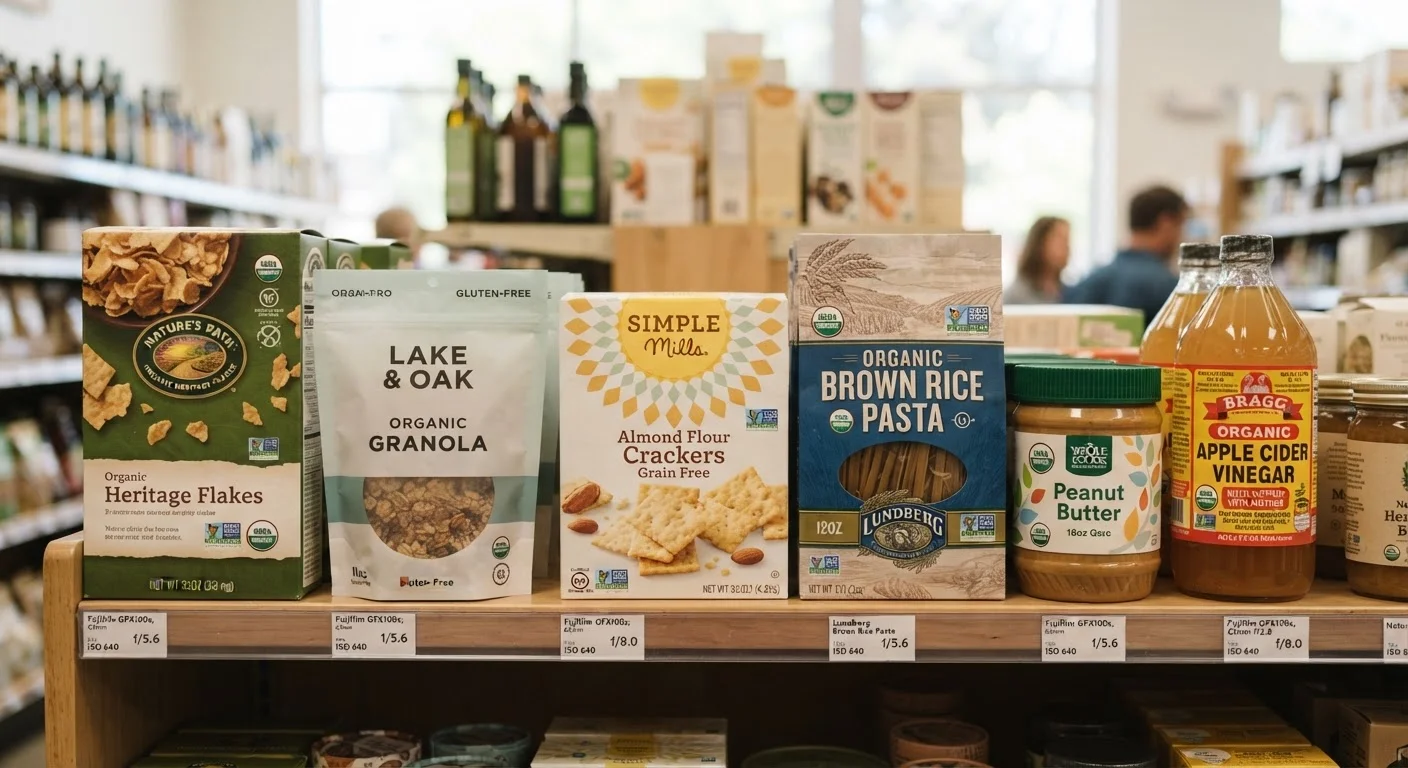
Photo: ArticleHood.com | Precision In Every Word editorial
Key Takeaways
- "Natural" has no strict legal definition from the FDA, making it the least regulated of the three labels.
- "USDA Organic" is a certified, audited standard with specific rules about farming practices and prohibited substances.
- "Non-GMO" refers only to genetic engineering - it says nothing about pesticide use or overall farming methods.
- An organic product is not automatically non-GMO certified, and vice versa.
- Understanding what each claim does and does not guarantee helps you shop with clearer expectations.
Why These Three Labels Get Confused
Walk down any grocery aisle and you'll see "natural," "organic," and "non-GMO" clustered together on packaging - often on the same product. It's easy to assume they mean roughly the same thing: that the food inside is somehow cleaner, safer, or more wholesome than the alternative. In reality, each term operates under a completely different level of regulatory oversight, and understanding that gap is genuinely useful.
This isn't about which label is "best" in some absolute sense. It's about knowing exactly what you're getting - and what you're not - when you choose a product based on any of these claims. For a broader look at how food packaging communicates nutrition information, see our guide on what food labels are actually telling you.
"Natural": The Loosest Label of the Three
The FDA has not established a formal definition for the term "natural" on food labels. The agency has stated informally that it considers "natural" to mean nothing artificial or synthetic has been included or added - but this is guidance, not an enforceable standard, and it has not been codified into regulation as of the time of writing.
What this means in practice: a manufacturer can label a product "natural" without third-party audits, certification, or verification of any kind. The term does not restrict pesticide use, does not address how animals were raised, and does not exclude high-fructose corn syrup or other heavily processed ingredients, depending on how a company interprets the word.
"Natural" Is Not a Verified Claim
The USDA has slightly different informal guidance for meat and poultry - products labeled "natural" must be minimally processed and contain no artificial ingredients - but even this is not certified by an independent body. It's a label claim the producer makes, not one a third party verifies.
"USDA Organic": The Most Rigorously Defined Standard
Organic certification through the USDA's National Organic Program (NOP) is the most tightly regulated of the three labels. To carry the USDA Organic seal, farms and processors must be certified by a USDA-accredited certifying agent. Certification involves documented practices, on-site inspections, and compliance with a specific list of allowed and prohibited substances.
Key requirements include: no synthetic pesticides or fertilizers (with some narrowly defined exceptions), no use of sewage sludge or ionizing radiation, and no use of genetically engineered organisms. For livestock, organic standards also address access to pasture, living conditions, and restrictions on antibiotics and growth hormones.
Understanding Organic Percentage Tiers
Products labeled "100% Organic" must contain only organically produced ingredients. Products labeled just "Organic" must contain at least 95% organic ingredients by weight (excluding water and salt). "Made with Organic " requires at least 70% organic content. These distinctions matter when comparing products side by side.
Organic certification does not make nutritional guarantees. It speaks to how food was produced, not to its overall healthfulness. Whole foods vs. processed foods explores a related concept worth keeping in mind when evaluating any label claim.
"Non-GMO": A Narrower, Single-Issue Claim
"Non-GMO" refers specifically to genetic engineering - the practice of modifying an organism's DNA using biotechnology. The most widely recognized third-party certification in the U.S. is the Non-GMO Project Verified seal, which involves testing for the presence of genetically engineered material and product compliance reviews.
What non-GMO does not address: pesticide use, synthetic fertilizers, animal welfare, or farming practices of any kind. A product can be Non-GMO Project Verified and still be grown with conventional pesticides, raised in confined conditions, or produced using highly processed methods. Conversely, certified organic products are already required to exclude GMOs, so an organic product doesn't need a separate non-GMO label - though many carry both.
| Natural | USDA Organic | Non-GMO Project Verified | |
|---|---|---|---|
| Regulatory body | FDA (informal guidance only) | USDA National Organic Program | Non-GMO Project (private nonprofit) |
| Third-party certification required | No | Yes, mandatory | Yes, voluntary |
| Restricts synthetic pesticides | No | Yes (with narrow exceptions) | No |
| Restricts GMOs/bioengineering | No | Yes | Yes (primary focus) |
| Covers animal welfare | No (for most foods) | Yes (for livestock) | No |
| Verified by audits or testing | No | On-site inspections | Product testing and reviews |
| Strength of guarantee | Very low | High | Moderate (single issue) |
It's also worth noting that the USDA has a mandatory disclosure program for bioengineered (BE) foods under the National Bioengineered Food Disclosure Standard, which requires manufacturers to disclose if a product contains bioengineered ingredients. The Non-GMO Project's standard is a private, voluntary certification with its own testing thresholds that differ from USDA's BE disclosure requirements - the two are related but not identical.
If you want to go deeper on how to interpret any of this on a package, our article on decoding food label claims and reading a nutrition label without getting lost in the numbers are practical next steps.
How to Use This Knowledge at the Store
None of these labels is inherently misleading, but each has limits. The most useful habit is to match the label to your actual concern. If your priority is farming practices and verified oversight, organic certification is the most substantive signal. If you're specifically focused on avoiding genetically engineered ingredients, a credible non-GMO certification addresses that directly. If a product says only "natural," treat it as a marketing descriptor rather than a verifiable standard - and look at the ingredient list directly.
For a related perspective on how food terminology can carry more nuance than it appears, see our piece on fortified vs. enriched foods. Label literacy, across the board, is one of the most practical skills a food shopper can develop.
This article is for general informational and educational purposes only. It does not constitute medical, dietary, or nutrition advice. Consult a qualified healthcare or nutrition professional for guidance specific to your individual health needs.
The content on this site is for informational purposes only and is not a substitute for professional advice. Always consult a qualified professional for guidance specific to your situation.