
Rugs Before Furniture, or Furniture Before Rugs?

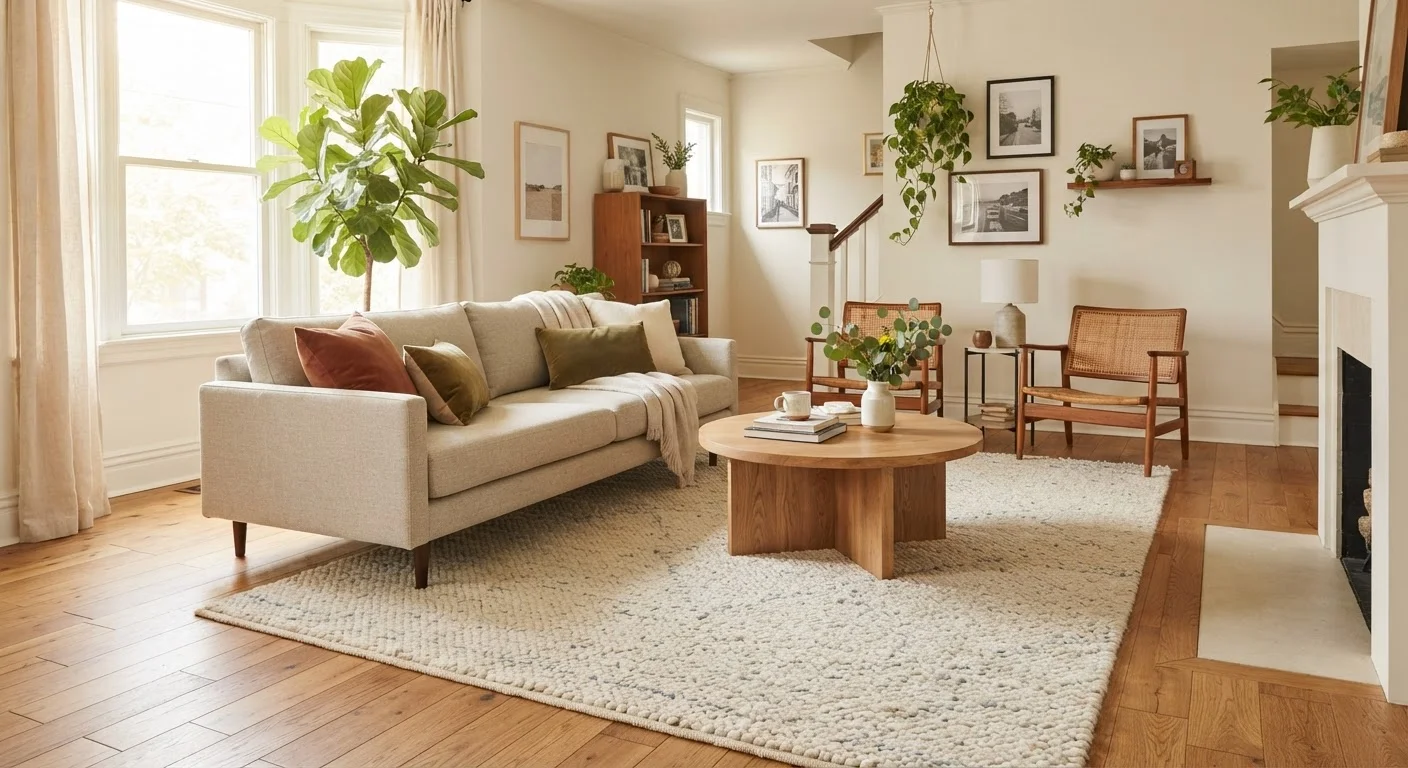
Photo: ArticleHood.com | Precision In Every Word editorial
Key Takeaways
- Placing the rug first lets it define the boundaries of a seating zone before furniture is committed.
- Placing furniture first makes it easier to measure the actual footprint you need to cover.
- Neither sequence is universally correct - the room's purpose and your existing pieces should guide the choice.
- Rug size is the most common mistake; both approaches require careful measurement before purchasing.
- In open-plan spaces, a rug laid first helps carve out distinct functional zones from an undivided floor.
Why the Order Actually Matters
Most decorating decisions feel reversible - you can swap a throw pillow or move a lamp. The sequence of rug and furniture placement feels similarly flexible, but it has a real, lasting effect on how a room functions and feels. The order you choose determines whether the rug anchors the layout or merely fills leftover floor space.
When a rug is too small for the furniture around it, it can make a room feel disjointed - like an afterthought rather than a design decision. When a rug is too large, it competes with architectural features and crowds the space. Getting the sizing right depends heavily on whether you know your furniture footprint before or after you shop for a rug.
This isn't a question of right versus wrong - it's a question of which approach suits your specific situation. Understanding what each sequence prioritizes helps you avoid the most common layout mistakes. For a broader look at how proportion and placement work together, see our guide on how décor adjustments change how space feels.
Rug First vs. Furniture First: A Direct Comparison
Each approach has a distinct logic. Here's how they compare across the criteria that matter most for everyday decorating decisions.
| Criterion | Rug First | Furniture First |
|---|---|---|
| Best starting scenario | Empty room or full rearrangement | Existing or fixed furniture |
| Sizing confidence | Requires estimation and tape-testing | Measure actual footprint directly |
| Layout control | Rug defines the zone boundaries | Furniture defines zone; rug completes it |
| Open-plan suitability | Excellent - carves zones from open floor | Works, but zone edges may feel less deliberate |
| Risk of size mismatch | Higher - furniture not yet in place | Lower - real measurements available |
| Color/texture coordination | Rug sets the palette; furniture follows | Rug responds to palette already in the room |
The rug-first method treats the rug as a floor plan drawn in textile - you position it, then build the furniture arrangement around its edges. The furniture-first method treats the rug as a finishing layer - you establish the layout, then find a rug that fits and complements what's already there.
When to Lay the Rug First
Laying the rug before furniture makes the most sense when you're starting a room from scratch or rearranging significantly. The rug becomes a literal guide for where the sofa, chairs, and coffee table should land. In open-plan homes, this approach is especially useful: a well-placed rug visually separates the living zone from the dining area without needing walls or partitions.
The practical step here is to use painter's tape on the floor to simulate the rug's dimensions before you buy. Stand in the room, look at the taped outline, and ask: does this create the zone I want? Does it feel proportionate to the ceiling height and overall square footage? Adjust the taped dimensions until it looks right, then use those measurements as your shopping target.
8×10 ft
Most common rug size for living rooms
Interior design guidelines consistently cite this as the minimum recommended size for a standard sofa-and-chairs seating group.
18-24 in
Recommended border on each exposed side
Leaving 18 to 24 inches of bare floor between the rug edge and the wall helps a room feel proportionate rather than wall-to-wall carpeted.
One common pitfall with this approach: buying a rug before you've confirmed the furniture's legs will actually sit on it. Interior designers generally recommend that at least the front legs of all major seating pieces rest on the rug - not just be near it. This connects the furniture visually and prevents the floating-island effect.
When to Place Furniture First
If you already own your furniture - or are working with pieces that can't easily be moved, like a platform bed against a specific wall - placing furniture first is the more grounded approach. You're shopping for a rug to fit a real, existing layout rather than an imagined one.
Once furniture is in position, measure the group as a whole: the full width of the sofa plus side tables, the depth of the seating arrangement from the back of the sofa to the front of the coffee table. That measurement tells you the minimum rug size you need. Add six to twelve inches on each exposed side for a proportional border.
This approach also helps when you're mixing furniture styles from different eras or origins. Seeing the pieces together first lets you identify the color tones and textures already present, so you can choose a rug that ties them together rather than introducing another competing element. For more on how texture plays into this, see our article on texture in home décor.
The One Rule That Applies Either Way
Regardless of which approach you take, the most important variable is size. An undersized rug is the single most common decorating mistake in living rooms and bedrooms alike - and it's one that makes an otherwise well-composed room feel off in a way that's hard to pinpoint.
Before you buy, always measure. Use tape on the floor. Live with the outline for a day. If you're doing a full room refresh, consider completing a room-by-room décor audit before purchasing anything new - it often reveals the actual problem is proportion or layout, not the rug itself.
The goal in either sequence is a room where the rug feels like it belongs - not like it was squeezed in, and not like it arrived before anyone thought through the plan.
The content on this site is for informational purposes only and is not a substitute for professional advice. Always consult a qualified professional for guidance specific to your situation.