
Mixing Furniture Styles Without the Room Looking Confused

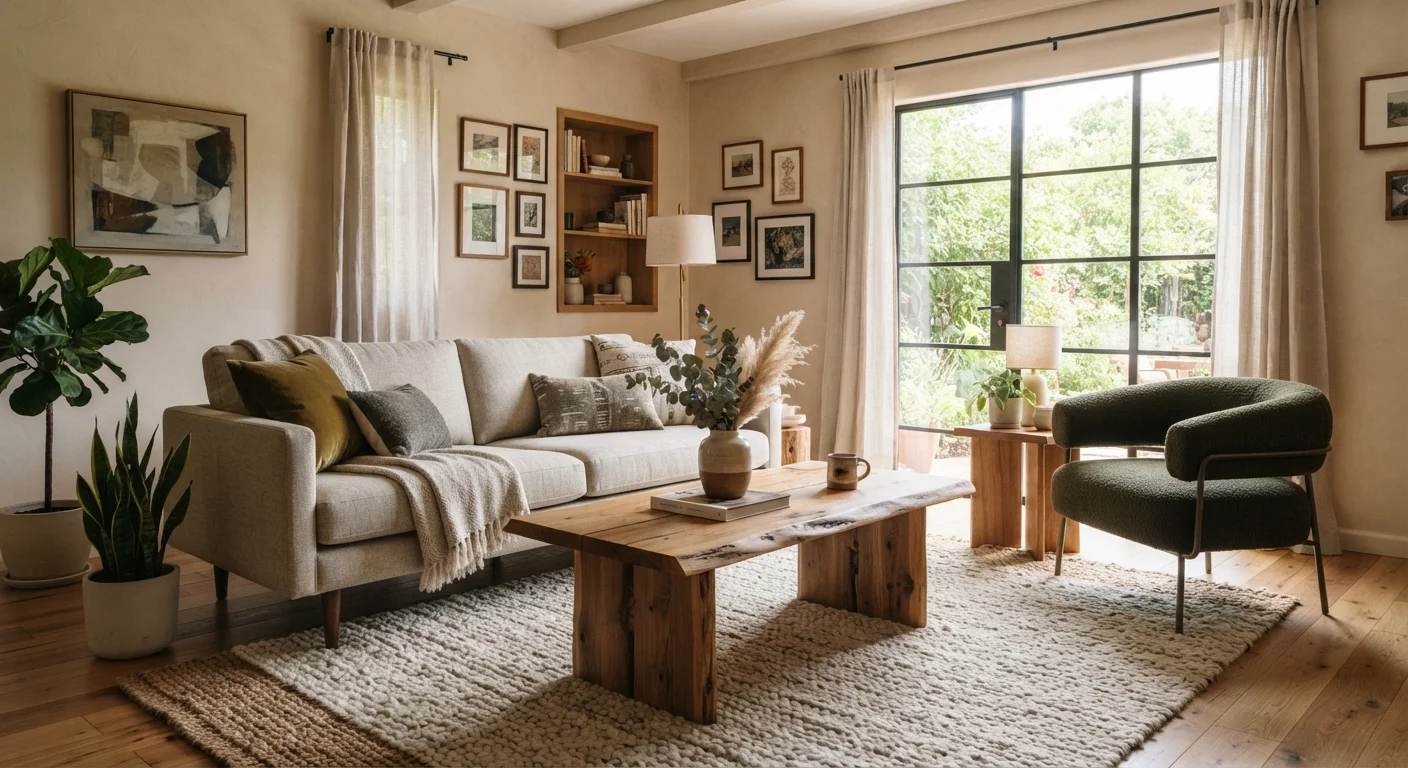
Photo: ArticleHood.com | Precision In Every Word editorial
Key Takeaways
- A shared color palette is the fastest way to unify furniture from different eras and styles.
- Repeating materials - like wood tone or metal finish - creates visual continuity across mismatched pieces.
- Scale and proportion matter more than style matching when arranging a room.
- One dominant style anchoring the space prevents an eclectic mix from feeling chaotic.
- Textiles and rugs act as a bridge between otherwise unrelated furniture pieces.
Why Mixed Styles Work - When They Work
A room filled with identical furniture from a single collection can feel flat, even sterile. Mixing styles, when done thoughtfully, adds personality and depth that a matched set rarely achieves. But without a few guiding principles, the same approach quickly tips into visual noise.
The difference between an eclectic room and a confused one isn't luck - it's intentional repetition. Designers often refer to this as finding the "through line": shared elements that give the eye somewhere to rest, even when the pieces themselves come from different eras or traditions.
Understanding what makes a room feel coherent is also worth doing before you buy anything new. A room-by-room décor audit can help you identify what's already working and where the visual friction is coming from.
The Practical Principles Behind a Cohesive Mix
Once you understand what unity in a room actually requires, the process of mixing styles becomes much less intimidating. These principles don't limit creativity - they give it structure.
Color is usually the easiest lever to pull. Even wildly different furniture silhouettes feel related when they share tones from the same palette. A warm or cool color palette applied consistently across upholstery, wood stains, and accents does much of the unifying work for you.
Texture is another underused tool. When a sleek contemporary side table sits next to a carved wooden chair, a linen throw or jute rug can bridge the gap between them. For a deeper look at how to layer this element effectively, see our guide to texture in home décor.
Rugs, in particular, deserve careful placement. They define zones and set the scale for everything around them - which is why the order you introduce them matters. Our article on rugs before or after furniture explains how this decision affects the whole room's flow.
Quick Actions You Can Take Today
You don't need to overhaul a room to start seeing improvement. Small, deliberate moves - grouping accessories, swapping a textile, or pulling a paint color from one piece to repeat elsewhere - make the relationships between furniture visible and intentional.
When arranging accessories on shelves or tables, consider grouping in odd numbers. This isn't superstition - it's a spatial rhythm that prevents arrangements from looking symmetrical and static. Our piece on the rule of three in home styling breaks down exactly why this works and how to apply it.
The content on this site is for informational purposes only and is not a substitute for professional advice. Always consult a qualified professional for guidance specific to your situation.