
Pilgrimage Routes Around the World - Sacred, Secular, or Both

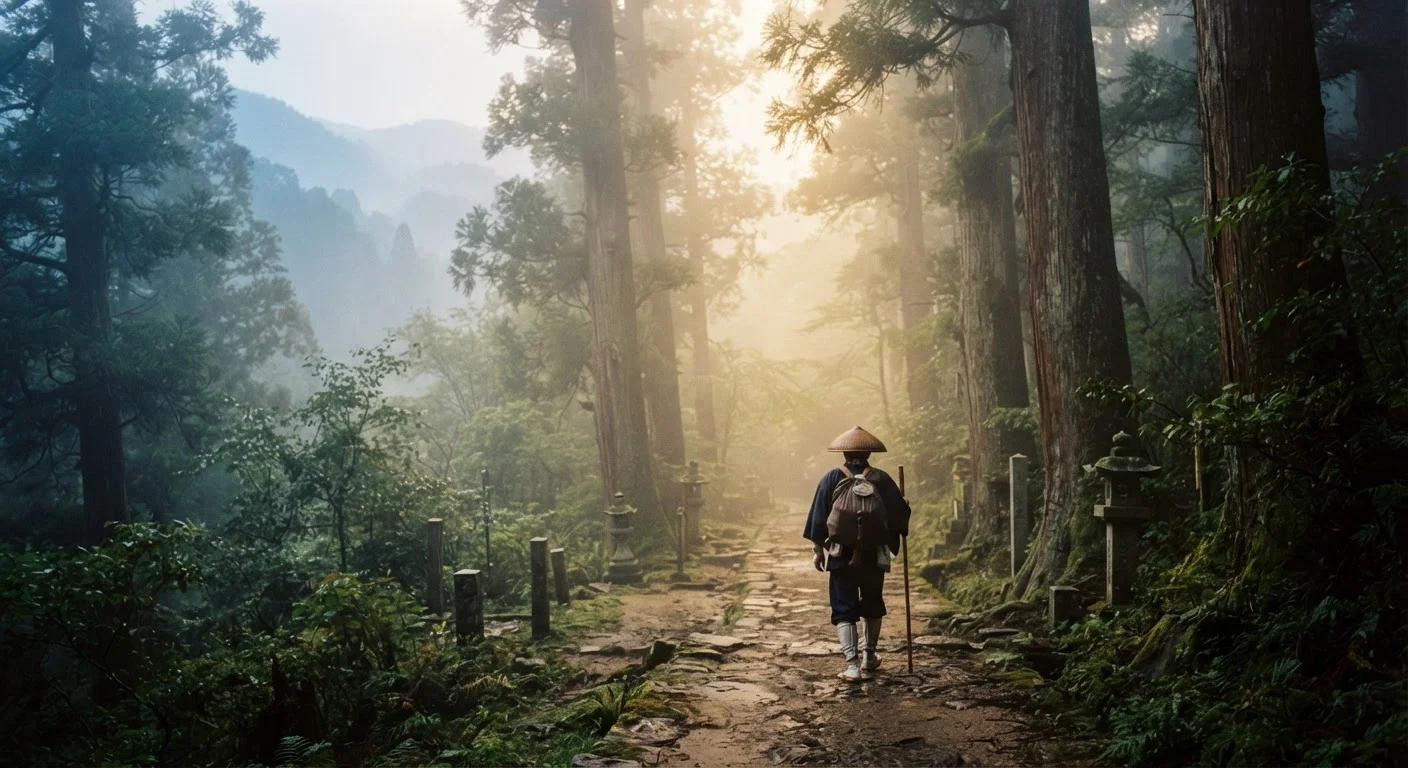
Photo: ArticleHood.com | Precision In Every Word editorial
Key Takeaways
- Pilgrimage routes exist on every inhabited continent, rooted in dozens of different faith traditions.
- Many modern walkers approach these paths with secular or personal motivations, not strictly religious ones.
- The physical act of sustained walking is central to how pilgrimage routes create meaning and reflection.
- Preparation - physical fitness, cultural awareness, and logistics - matters as much as motivation.
- Walking a sacred path as an outsider requires respect for the communities and traditions that created it.
Why People Walk: The Pull of the Path
Something about walking a long, storied trail with thousands of others - across centuries - reshapes how you experience time. Pilgrimage routes hold that quality in a way that few travel formats can replicate. They are not itineraries so much as invitations: to slow down, to sit with discomfort, to arrive somewhere that required effort.
The motivations pilgrims carry are as varied as the routes themselves. For some, the decision is unmistakably religious - a fulfillment of faith, a vow made in a difficult moment, or a tradition passed through generations. For others, the draw is harder to name: grief that needs walking through, a life crossroads, a curiosity about how far the body can go. Researchers who study pilgrimage behavior note that the secular and the spiritual often blur on the trail itself, even among walkers who arrived confident they knew which category they fell into.
What most routes share is a gift of structure. The day organizes itself around walking, resting, eating simply, and sleeping. Decisions narrow. That constraint, counterintuitively, creates space. It's this quality that makes quietly transformative travel experiences - like pilgrimage walking - so hard to explain to someone who hasn't tried one.
“The pilgrim is essentially a person on the move toward somewhere important. What makes the journey a pilgrimage rather than simply a walk is the quality of attention brought to it.”
— Phil Cousineau, Author of 'The Art of Pilgrimage'
Routes Worth Knowing: A Brief Survey
The most walked pilgrimage route in the Western world is arguably the Camino de Santiago network in Spain, which converges on the cathedral city of Santiago de Compostela in Galicia. The network encompasses dozens of routes across Europe, but the most iconic - the Camino Francés - begins in the French Pyrenees and stretches roughly 500 miles westward. Each year, hundreds of thousands of pilgrims collect the stamp-marked 'Compostela' certificate at journey's end, regardless of their faith background.
In Japan, the Shikoku 88 Temple Circuit (Ohenro) winds through rugged mountain terrain and coastal paths connecting 88 Buddhist temples linked to the monk Kūkai. Walkers traditionally dress in white and carry a wooden staff representing Kūkai himself. If you're planning a visit to Japan, be aware that cultural expectations run deep on this route - our guide to common cultural missteps in Japan is worth reading beforehand.
Other significant routes include the Via Francigena tracing medieval pilgrim roads from Canterbury to Rome; the Kumano Kodō network in Japan's Kii Peninsula (one of only two pilgrimage routes holding UNESCO World Heritage status alongside the Camino); India's Char Dham circuit in the Himalayas; and the Way of St. James branches through Portugal, Germany, and beyond.
350,000+
Annual Camino de Santiago completions
According to the Pilgrim's Reception Office in Santiago de Compostela, over 350,000 pilgrims received the Compostela certificate in recent pre-pandemic years.
~750 miles
Full length of the Shikoku 88 Temple Circuit
The complete on-foot circuit connecting all 88 temples on Shikoku island covers approximately 1,200 kilometers, typically requiring 30-60 walking days.
2
UNESCO World Heritage pilgrimage routes
The Camino de Santiago and Japan's Kumano Kodō are recognized by UNESCO - uniquely, a pilgrim who walks both can receive the 'Dual Pilgrim' certification.
Walking as an Outsider: Etiquette and Awareness
Entering a sacred route as a non-believer, or as someone from a different tradition, carries real responsibilities. These paths often pass through active religious sites - temples, shrines, churches - where communities continue to practice. Treating them purely as scenic backdrops is a form of disrespect that's easy to stumble into without meaning to.
Practical awareness matters: dress codes at certain sites, silence in specific areas, protocols for offerings or photography restrictions. The physicality of the route can make walkers feel informal and relaxed, but arriving at a sacred site in running clothes with a camera at the ready isn't always appropriate. Approach each site as you would any place of active worship - with curiosity and deference rather than just documentation.
Learn Before You Arrive at Sacred Sites
The experience of a pilgrimage route also differs meaningfully from a guided city walk. Reading a place on foot in an urban context involves interpreting layered history and architecture. A pilgrimage route asks something different: to let the landscape and the walking itself do the interpreting, with less narration and more personal reckoning.
Planning Your Walk: What to Think Through First
The logistics of a pilgrimage walk deserve honest preparation. Physical conditioning matters - even moderately fit travelers can struggle on day four or five of consecutive long days with a loaded pack. Building a walking base over months, not weeks, is advisable for any route exceeding a week.
Accommodation ranges from pilgrim-specific hostels (albergues on the Camino, shukubo temple lodgings in Japan) to guesthouses and hotels, depending on the route and your budget. Some segments require advance booking during peak season; others are flexible. Entry to certain routes or religious sites may require permits or proof of intent. Verify current requirements with official route organizations and government travel advisories before you go - conditions change.
If you're uncertain whether to walk independently or join an organized group, consider how you prefer to balance freedom with support. Our comparison of independent travel and guided tours walks through the tradeoffs honestly. Either approach can work on a pilgrimage route - it depends on your comfort with uncertainty and self-navigation.
Perhaps the most useful framing: think of the planning as part of the pilgrimage itself. The intention you set before you walk shapes what you carry, literally and otherwise, when you set out.
Frequently Asked Questions
The content on this site is for informational purposes only and is not a substitute for professional advice. Always consult a qualified professional for guidance specific to your situation.