
The Craft of the Guided Walk: How to Read a City on Foot

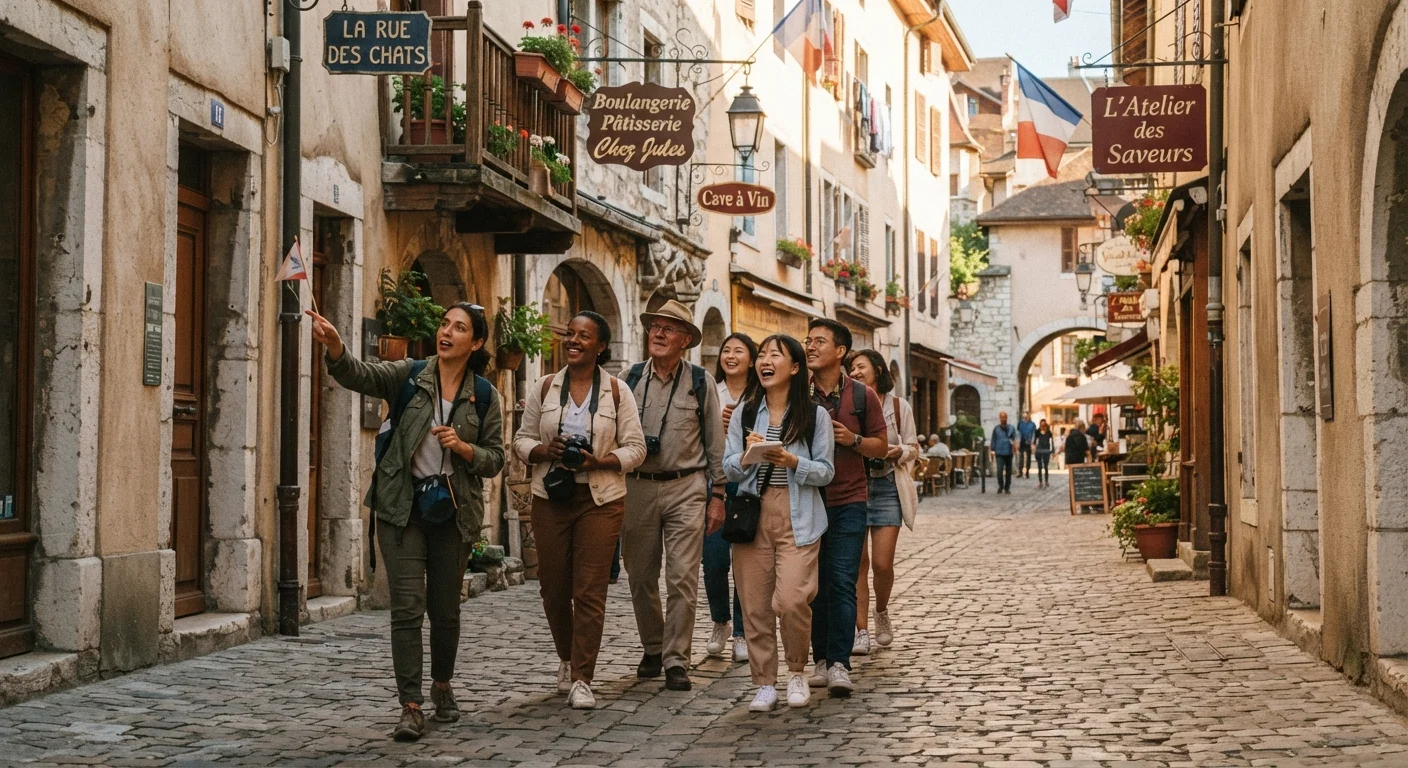
Photo: ArticleHood.com | Precision In Every Word editorial
Key Takeaways
- A guide's local knowledge and storytelling can reveal layers of a city no map ever captures.
- Themed or neighborhood-specific walks typically offer more depth than generic highlights tours.
- Group size, guide background, and tour format all significantly affect the quality of your experience.
- Asking the right questions before booking helps you find walks that match your curiosity.
- Walking tours complement-rather than replace-your own independent exploration afterward.
Why Walking Is Still the Deepest Way Into a City
Every city has a surface - the landmarks, the postcards, the itineraries that fill a long weekend. And then it has everything underneath: the layers of migration, commerce, conflict, and reinvention that explain why a place looks and feels the way it does. A car or a bus moves you past all of that too quickly. Walking slows time down to the pace at which cities were actually built and lived in.
A skilled guide makes this legible. They can stand in front of an unremarkable wall and explain what it replaced, who owned it, and why the current building was constructed at a slight angle to the street grid. That kind of contextual reading transforms sightseeing into something closer to understanding. It's the difference between looking at a city and actually seeing it.
This is also why walking tours exist on a wide spectrum. At one end: a guide with a flag, a fixed script, and thirty tourists moving between photo stops. At the other: a two-hour conversation with a local historian, architect, or community organizer who has spent years thinking about one corner of the city. Both are called 'walking tours.' Only one is likely to change how you travel. For those drawn to longer journeys on foot, pilgrimage routes around the world represent walking as immersive experience taken to its furthest form.
Walk the Route Again on Your Own
How to Choose, Prepare, and Make the Most of a Guided Walk
Getting real value from a walking tour is less about finding the 'right' tour and more about showing up with a clear sense of what you're looking for - and the tools to find it. The steps below walk through the process from intention to integration.
What you will need
Offline city map (downloaded before arrival)
Lets you retrace the tour route independently after the walk, without relying on mobile data.
Small notebook or notes app
Capturing names, dates, and anecdotes from your guide before they fade - guided walks deliver a lot of information quickly.
Government travel advisory portal
Checking current safety, entry requirements, and area-specific advisories for your destination before booking any tour.
Define what you actually want to understand about the city
Before searching for a tour, spend five minutes identifying your real interest. Architecture? Street art? Food history? A specific era? A single neighborhood? The more specific your curiosity, the more a targeted walk will repay it. Generic 'highlights' tours cover ground but rarely go deep. Themed walks - on immigrant communities, modernist buildings, wartime memory, or culinary trade - tend to leave you with something durable. Consider this your filter for everything that follows.
Research guides independently, not just through booking platforms
Aggregator platforms are a starting point, but their ranking systems often reward volume of reviews over quality of experience. Cross-reference by searching the guide's name directly, looking at local city tourism board listings, and checking community travel forums for candid assessments. Pay attention to reviews that describe what a guide talked about - specific stories, surprising details, moments of genuine local insight - rather than generic praise.
Assess group size and format before committing
Group size shapes everything: your ability to hear the guide, ask questions, and linger at a particular spot. Tours of six to twelve people tend to allow real conversation; tours of thirty or more often reduce the guide to a performer projecting over background noise. Private and semi-private walks cost more but allow the itinerary to flex around your interests. If a tour page doesn't list maximum group size, email and ask - it's a reasonable question and the answer tells you something about the operator's transparency.
Ask the guide two questions before you book
A brief pre-booking exchange tells you a great deal. Ask: What's one thing about this neighborhood that surprises most visitors? And: What draws you personally to this subject? A guide with genuine knowledge and enthusiasm answers both without hesitation. A guide running a high-volume operation may struggle to give you anything specific. You're not quizzing them - you're testing whether there's a real person behind the tour description.
On the walk, participate rather than just follow
Walking tours reward the curious. Ask follow-up questions at stops. Notice what the guide chooses to emphasize and what they skip - both are informative. Look up, look down, and look into doorways while the group is assembled. If the guide mentions a related street, archive, or building you won't pass, write it down for later. The goal isn't to consume the tour passively; it's to leave with a framework for understanding the city more deeply on your own terms.
Integrate what you've learned into the rest of your trip
A good walking tour is a lens, not a conclusion. Use what you've absorbed to recalibrate how you move through the rest of the city - which streets to wander, which museums suddenly make more sense, which meals carry more context. Travelers who walk a neighborhood with a knowledgeable guide and then return independently often describe the second visit as the richer one. The guided walk gives you the grammar; independent exploration lets you speak the language.
Beware the 'Free' Tour Fine Print
Verify Guide Credentials and Safety
If you're weighing whether a guided approach suits your travel style at all, our comparison of independent travel and guided tours lays out the trade-offs honestly. And for travelers drawn to building entire trips around a single point of curiosity, planning around a single cultural interest is a natural next read. Some of the most quietly transformative walking experiences also fall into the category of travel experiences that rarely make the highlight reel - oral history tours, artisan district walks, and market mornings among them.
The content on this site is for informational purposes only and is not a substitute for professional advice. Always consult a qualified professional for guidance specific to your situation.